Tag: vocation

  • Beyond the Pulpit: Unconventional Ways to Serve Your Church

    Beyond the Pulpit: Unconventional Ways to Serve Your Church

    Photo by Kelly Eliason on UnSplash

    As someone who serves on the “media ministry” team at my church, I’ve gained firsthand experience in the power of digital evangelism. Our team manages sound, lighting, and visual presentations during services, but more importantly, we broadcast sermons online to reach those unable to attend in person. It was only when I learned about homebound members, nursing home residents, and far-flung congregants tuning in that I truly grasped the importance of this ministry in spreading the Gospel and connecting with people.

    RELATED: Eccentric Evangelism: How I Use My Quirks to Spread the Gospel

    The evolution of church service roles reflects the changing landscape of how faith communities engage with their members and reach new audiences. While vocations to religious life remain vital, today’s Church also needs laypeople with diverse skill sets to minister effectively in our digital age.

    There are countless unexpected and creative ways individuals can contribute to their faith communities. Here are some lesser-known vocations and how they’re making a significant impact.

    1. Digital evangelists

    In our increasingly online world, the Church needs tech-savvy individuals to spread its message. Digital evangelists use social media, podcasting, and video production to reach new audiences. For example, Father Mike Schmitz’s “Bible in a Year” podcast became the #1 podcast in the US on Apple’s platform in 2021, demonstrating the power of digital ministry. Those interested in getting involved in digital evangelization could pitch an article, prayer, or podcast to a religious publication, or start a social media channel with a creative take on sharing the faith. 

    2. Environmental stewards

    Pope Francis’s encyclical “Laudato Si’” highlighted the importance of caring for our common home. This has led to a rise in faith-based environmental initiatives. Some churches now employ sustainability coordinators to reduce their carbon footprint and educate congregations on eco-friendly practices. Looking for helpful ways to get started? The United Nations and Earthday.org has plenty of resources for faith leaders across denominations to encourage more sustainable practice. 

    3. Sacred artists

    While religious art has a long history, modern sacred artists are finding new ways to express faith. From contemporary Christian music composers like Lauren Daigle or For King and Country to graphic designers creating faith-inspired merchandise like Not of This World or Elevated Faith, these creatives are making spirituality more accessible to younger generations through music and fashion. They blend contemporary styles with faith-based messages, appealing to a wide audience while maintaining their spiritual focus.

    RELATED: How Do I Serve the Church as a Layperson?

    4. Community garden coordinators

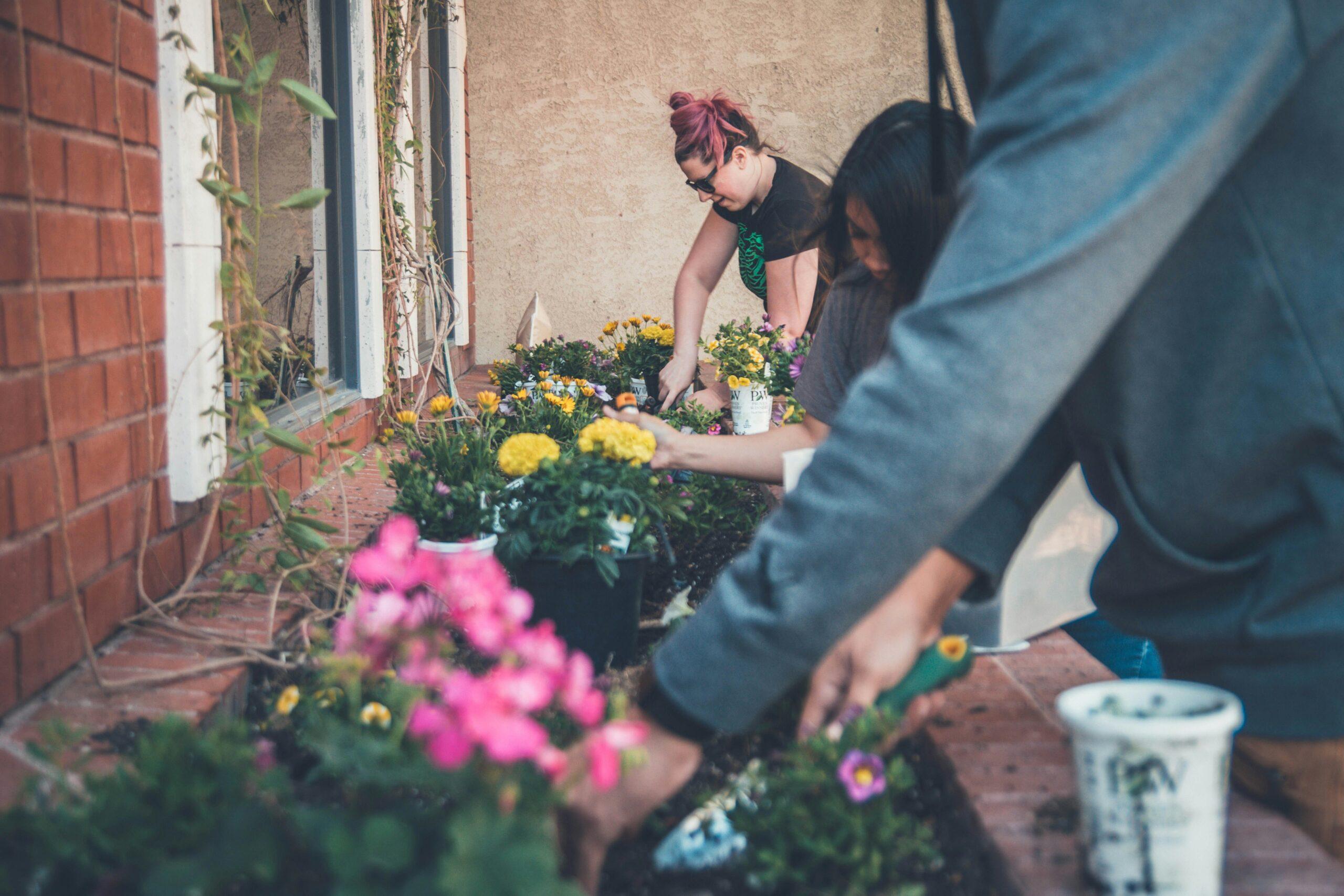
    Many churches are transforming unused land into community gardens. These spaces not only provide fresh produce for food banks but also serve as places of communion and education. Garden coordinators organize volunteers, plan harvests, and often integrate spiritual teachings into their work.

    5. Trauma-informed chaplains

    Specialized roles like trauma-informed care demonstrate how the Church is adapting to address contemporary challenges in serving communities. Trauma-informed chaplains combine theological knowledge with an understanding of psychological trauma, allowing them to provide more effective spiritual care in hospitals, prisons, or disaster relief situations. To pursue this career, one might start by obtaining a master’s degree in divinity or pastoral counseling, then seek additional training in trauma-informed care through organizations like the Trauma-Informed Care Project or the International Association of Trauma Professionals.

    6. Faith-based data analysts

    These professionals use data analytics to help churches better understand their congregations, measure the impact of outreach programs, and inform strategic decisions. Data experts can help churches gain valuable information about charitable giving, attendance patterns, parish demographics, volunteer engagement, and overall needs of the community. To enter this field, one could begin with a degree in data science, statistics, or a related field, and then seek opportunities to apply these skills within religious organizations. By leveraging these types of analyses, ministries can make more informed decisions, allocate resources more effectively, and ultimately grow their impact in their communities.

    7. Interfaith dialogue facilitators

    With increasing global interconnectedness, the ability to build bridges between different faiths is crucial. Some individuals dedicate themselves to organizing interfaith events, moderating discussions, and promoting understanding across religious boundaries.

    RELATED: Showing Up Imperfectly: What I Learned as a Hospital Chaplain

    8. Church archivists and historians

    Preserving the rich history of faith communities is vital. Church archivists and historians use modern technology to digitize records, create virtual tours of historic religious sites, and make centuries of wisdom accessible to new generations.

    9. Faith-based financial Advisors

    Stewardship of resources is an important aspect of many faiths. Some financial advisors specialize in helping individuals and religious organizations align their investments with their values, often focusing on socially responsible investing. Organizations like Compass Catholic teach practical financial discipleship and have programs for parishes and individuals alike. 

    10. Sports ministers

    Recognizing the power of sports to build community and character, some churches now employ sports ministers. These individuals organize leagues, coach teams, and use athletic activities as a platform for spiritual growth and outreach.

    11. Technology accessibility specialists

    As churches increasingly rely on technology for services and outreach, ensuring accessibility for all members is crucial. Specialists in this field work to make digital content accessible to those with visual, auditory, or other impairments.

    RELATED: 10 Ways to Serve Others When You Have Young Kids

    These unexpected vocations demonstrate that serving the Church is not limited to traditional roles. As society evolves, so do the ways individuals can contribute to their faith communities. Whether through technology, environmental stewardship, or creative arts, there are myriad opportunities for those feeling called to serve.

    By embracing these unexpected vocations, the Church demonstrates its ability to evolve and remain relevant in a rapidly changing world. Each of these roles, from digital evangelists to environmental stewards, creates new avenues for outreach and connection. They remind us that serving the Church isn’t confined to traditional roles or spaces, but can happen wherever people’s skills and passions intersect with the needs of their community.

    As we move forward, it’s exciting to imagine what new forms of ministry might emerge. The key is to remain open to new possibilities, recognizing that every skill and talent can be a powerful tool for sharing faith and building community. Contact your local parish to see if opportunities like these are available, or if your parish community would be open to starting a new program.
  • Who is Padre Pio of Pietrelcina? Examining His Inspiring Story of Faith and Trust

    Who is Padre Pio of Pietrelcina? Examining His Inspiring Story of Faith and Trust

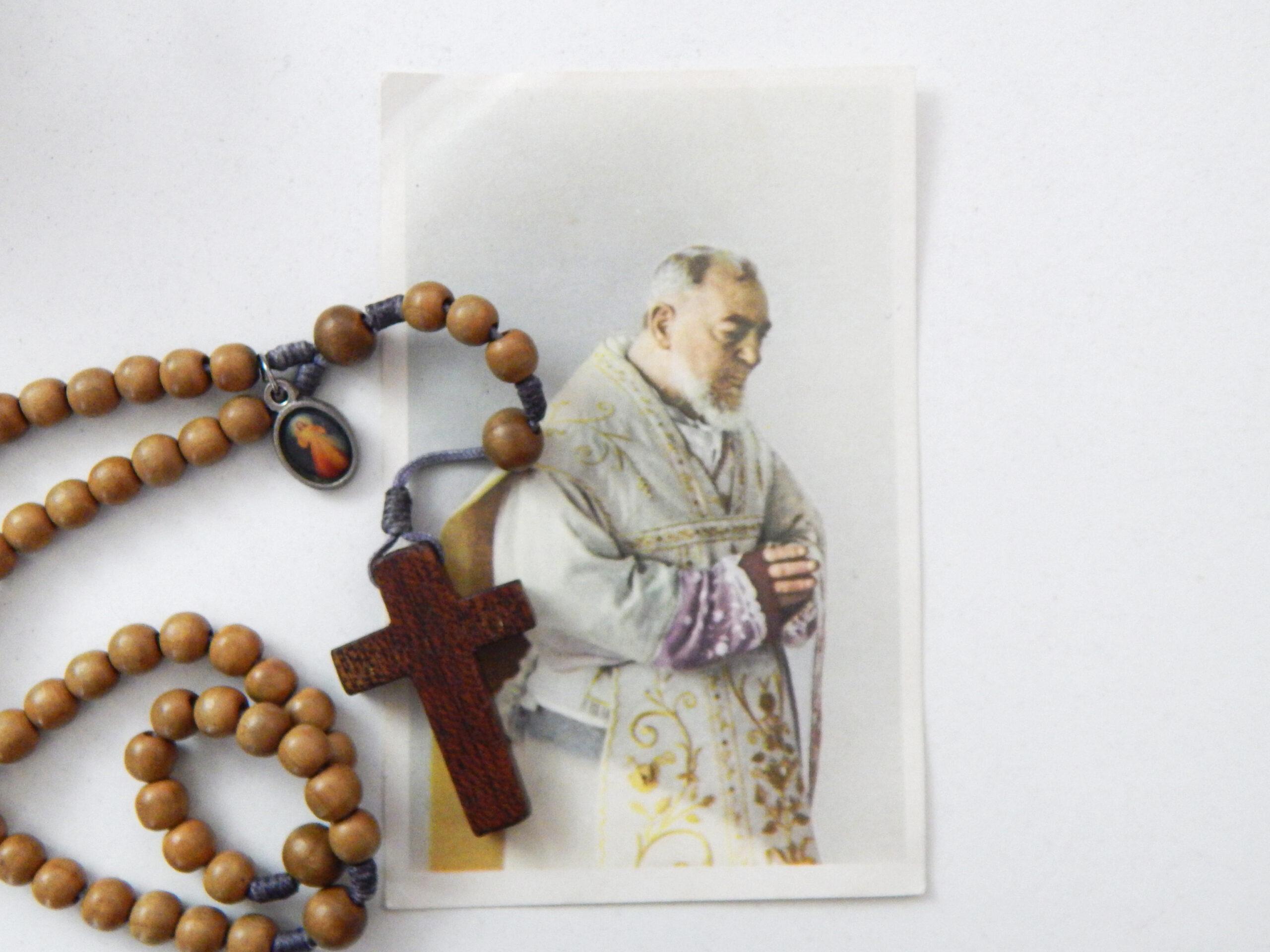
    Photo by Maria Paula Campisi on Cathopic

    Padre Pio of Pietrelcina is one of the Catholic Church’s best-known saints and stigmatists whose life serves as a true testament to radical love of God and neighbor. While the majority of his time on this earth was characterized by intense illness and suffering, Padre Pio’s example reveals to us how much more God’s grace abounds in the midst of our troubles when we unite our suffering to Christ crucified. The Catholic Church celebrates this beloved Italian saint’s feast day on September 23. 

    As is probably the case for many young Catholics of Italian descent, I first encountered Padre Pio in the form of pictures and prayer cards that decorated the home of my grandparents – a tailor and seamstress who emigrated from the Southern Italian region of Puglia. My nonno and nonna often told me stories about this holy man, instilling in me a deep admiration for his devotion to prayer and his profound love for Jesus. Now my favorite saint and intercessor (after the Blessed Virgin Mother, of course), Padre Pio continues to inspire me as a role model in faith and courage as I navigate my own spiritual journey. 

    RELATED: Pray, Hope, and Don’t Worry: Learning From Padre Pio’s Words of Wisdom

    Born Francesco Forgione to poor Southern Italian farmers on May 25, 1887, Saint Pio’s life of faith had an extraordinary beginning in that he consecrated himself to Jesus at just 5 years old. Young Francesco was gifted with the ability to see and speak to his guardian angel and innocently believed everyone enjoyed the same privilege.

    At the age of 10, Francesco informed his parents of his wish to become a Capuchin friar, and five years later, he was accepted into the order’s novitiate, where he would prepare to enter religious life. It was at this point that he took the name Pio in honor of the second-century bishop of Rome, Pope Pius I. After completing his training, he was ordained to the priesthood at 23 years old.

    Padre Pio’s special grace as a young priest was clear to all those who encountered him. He was known to spend the majority of his day praying and holding confessions. The friar often entered into silent contemplation of Christ’s Passion during his celebration of the Holy Mass, so it was not uncommon for his Masses to last several hours. News of Padre Pio’s mystifying spirituality quickly spread, drawing pilgrims from around the world to seek his spiritual guidance, confessions, and the powerful experience of his Mass. 

    Having endured markedly poor health since the time he was a child, the Capuchin priest understood his suffering as a God-given opportunity for sanctification, offering it to Christ for the conversion of sinners and as expiation for the souls in purgatory. Padre Pio expressed his ever-growing passion for this penitential sacrifice to his spiritual father in a letter, demonstrating his total surrender to the will of God in the words, “It seems to me that Jesus wants this.” 

    LISTEN: Discussing Heaven and Purgatory With Leonard DeLorenzo

    Inspired by his example, I strive to emulate the radical love of neighbor that Padre Pio embodied by offering up my own sufferings for the holy souls in purgatory just as he did. In doing so, I have learned to recognize the unique grace spoken about by many Catholic saints that is experienced when one embraces suffering with humility and gratitude. 

    At the age of 31, Pio received the stigmata – the real, bleeding wounds of Christ in his hands, feet, side, and shoulder – as he was praying before a crucifix. United to Christ’s Passion, Padre Pio bore these painful wounds for 50 years, and from them emanated the distinct aroma of violets that followed Pio wherever he went. When asked on one occasion if the wounds caused him pain, he smiled and replied, “Do you think the Lord gave them to me for decoration?” The wounds miraculously healed without a trace upon his death.

    The extraordinary life of Padre Pio serves as a guiding light to the faithful on how we can deepen our devotion to loving and serving our neighbors. For us laypeople who do not physically bear the wounds of Christ and cannot administer the sacrament of Reconciliation, what we can do is take seriously the need to pray for one another, especially the souls in purgatory who can no longer atone for their past sins. “We must empty purgatory with our prayers,” was one of Saint Pio’s oft-repeated phrases. Like the Capuchin priest, we are called to do all that we can with whatever graces God has given us to work selflessly for the salvation of our brothers and sisters, remembering that each and every soul is infinitely precious to our God. One of my personal favorite prayers for the souls in purgatory can be found here

    RELATED: 7 Ways to Pray for the Holy Souls in Purgatory This November 

    We can also look to Saint Pio as a shining example of complete and constant trust in the Lord when we find ourselves in challenging times. In fact, this saint’s story attests that it is through our suffering, rather than in spite of it, that we are brought closer to Jesus. As he carried the agonizing wounds of Christ’s Passion for 50 long years, Pio willingly embraced his affliction because he understood that suffering endured out of love for Christ brings sanctification. Like Padre Pio, we too can learn to recognize God in the midst of our hardships and take comfort in knowing that He faithfully sustains us through it all. In his own words, Saint Pio reassures us that “When we suffer, Jesus is closer to us.” I hold these words dear when I encounter difficult moments, confident that we are never abandoned in our suffering, but instead drawn nearer to the Lord who came into this world to suffer for our sake so that we may be redeemed. 

    With the same confidence in our Lord as the humble priest from Pietrelcina, let us always be guided by Padre Pio’s simple, yet beautiful profession of faith: “Pray, hope, and don’t worry.”

  • Our Lady of the Assumption: Her Importance and Influence in Everyday Life

    Our Lady of the Assumption: Her Importance and Influence in Everyday Life

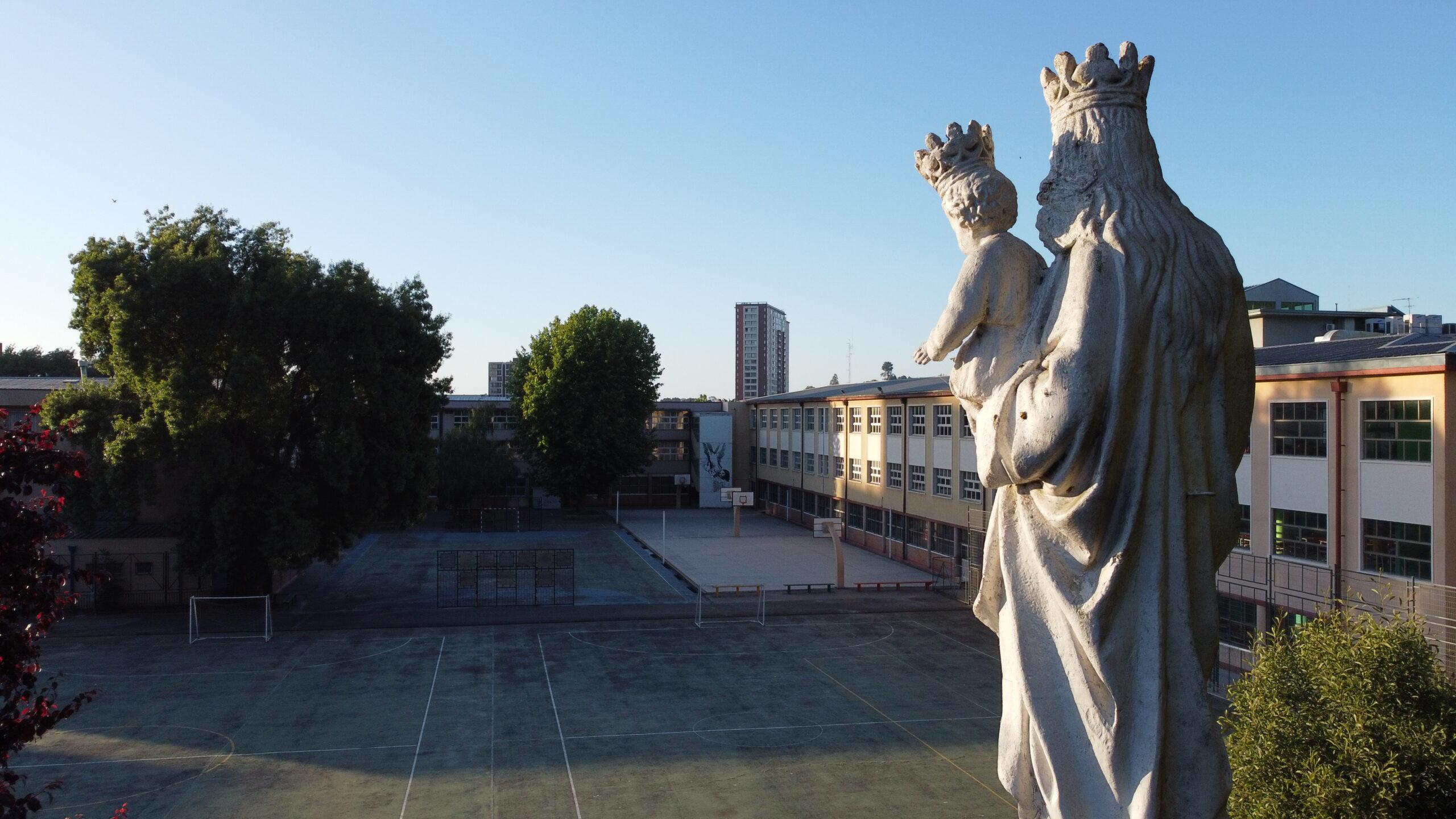
    Statue of the Virgin Mary holding the Infant Jesus overlooking a schoolyard.
    Photo by jlopez on Cathopic

    One day, I asked students at the school where I work, “What’s the name of our school?” They responded in chorus with the expected exuberance of 23 first graders, “OLA!” 

    “What does OLA stand for?”

    This response wasn’t quite as resounding as the first, “Our Lady of the Assumption!” Their eyes shone bright with proud enthusiasm.

    “On what date do we celebrate Our Lady of the Assumption?” 

    Blank stares… then

    “Wednesday!”

    “Christmas!”

    “New Year’s!”

    One clever set of eyes darted about for clues and found a hint on a plaque hanging on the brick facade near where we stood outdoors, on our way inside from recess. She confidently blurted out “1952,” the only numbers on the plaque (the year the school was founded). Other parroting voices trailed in echo. 

    From that day on, the first graders could recall August 15 as Our Lady’s Day of Assumption as readily as they recalled their own birthdays. Whenever they did, I felt an inner joy and a renewed connection to Our Lady. 

    RELATED: Understanding and Celebrating the Feast of the Assumption

    In addition to the date, the children would eventually learn the Church’s teaching on the Assumption: “The Most Blessed Virgin Mary, when the course of her life was completed, was taken up body and soul into the glory of heaven…” (Catechism of the Catholic Church 974).

    Of Our Lady’s devotions and prayers, there are the Rosary, seven sorrows of Our Lady, Our Lady of the Miraculous Medal, etc. Similar to their attractions to certain of her apparitions, many Marian devotees are partial to specific feast days. Often, one chooses a particular devotion because of an experience where Jesus opens a door, and his mother appears from behind it. That was the case for me and my devotion to Our Lady of the Assumption. 

    A few years ago, I felt a nudge from God that it was time to seek employment outside the home after a hiatus to raise my children. To take the guesswork out of where God was calling me, I prayed the Lord would open one and only one door for my employment. Eventually one opportunity arose and the Blessed Mother seemed to confirm it in a dream. 

    WATCH: Mary in 2 Minutes

    In the beginning of employment at OLA, the name of where I worked held no significance for me. But when I had a hard time adjusting to my job, I found solace when my eyes landed on the sign that announced Our Lady of the Assumption, as I drove into the parking lot to start the day. In solid block letters announcing her title, I found consolation on difficult days and the comfort in knowing she had chosen this place for me. 

    There was a time, just after I converted to the Catholic faith as an adult, I didn’t know a thing about the Blessed Mother. After some buds of our relationship began to blossom, I attempted to keep Marian dates straight to honor her. Once, I mixed up the dates of the Immaculate Conception — December 8 — and Assumption — August 15 — by mistakenly combining the two days into one and confidently marking December 15 on my calendar as an important feast day.

    While my family teases me for my inability to recall anything verbatim, not even a single lyric of a beloved song, I somehow memorized all the mysteries of the Rosary practically overnight. Through the Rosary, and the maternal mentors God has placed in my life, Our Lady weaves threads of her care. From guiding me to a counselor during the rocky times of marriage to selecting our children’s high school – titled after another of Mother Mary’s namesakes  – her gentle presence in my life became palpable.

    Last year, on August 15, as I attended the Solemnity of the Assumption Mass at the church and school that both bear her name, I marveled at how a last minute schedule change had brought me to this landmark Mass. Mother Mary indeed wanted me there to reassure me of her call for me to this place of employment. 

    RELATED: Why Does Mary Have So Many Different Feast Days and Names? 

    I randomly recalled that when my children were in elementary school, I would attend this Mass at their school every year to pour out all my hopes for the new school year to Our Lady. One year, after the August 15 Mass, my then-13-year-old daughter had announced that she was going to teach religious education classes. I immediately knew this was a grace from Our Lady. The fruit of Mother Mary’s intercession continued as my daughter taught catechism and Vacation Bible school classes the following years; she went on to obtain a college minor in teaching, and took a gap year after graduation to volunteer as a teacher. Our Lady of the Assumption’s intercession continues to bear great fruit in my family’s lives.

    My new place of employment was her nod to me as my mother, and yet another thread confirming she claimed me as her own. At the place that bears her name, this mother of all mothers is schooling me in true discipleship. Lesson plans in love, sacrifice, and humility often shine a mirror on warts I never saw before; some days the virtues she’s trying to instill in me scratch against my pride and leave scrapes that feel like cuts. But when I look at my paycheck, I’m reminded that of all the places to work, I labor for Our Lady, and there is no one kinder and gentler to tutor me in the virtues.

    One chooses a saint as his/her own because of an experience of his/her intercession. It’s a mystical, reciprocal companionship. A devotion to Our Lady’s feast day is similar. Of her feast days, I have to say Our Lady of the Assumption, where she schools me in lessons in love, is my favorite. Wherever I go, whenever I see a church or school named Our Lady’s Assumption. I feel the warmth of a mother’s arms; I’ll always honor her on this and other special occasions.

    Our Lady of the Assumption, pray for us!

    Originally published August 14, 2023.

  • How to See Life’s Interruptions as Blessings

    How to See Life’s Interruptions as Blessings

    I once went on a retreat in Northern Colorado to a Benedictine abbey where I noticed a bell would ring throughout the day. I later learned that the bell was to let the sisters know it was time for something they were called to do or attend to (prayer, farm chores, someone at the front door of the abbey, etc). When the bell rang, they had to stop what they were doing to tend to whatever the bell’s purpose was for; as that interruption became the top priority. 

    We have an actual bell in our house, but no one is allowed to ring it because it’s really loud and my kids would never stop. Ever. 

    RELATED: Praying for Patience: What I Learned From God’s Time vs. My Own

    At the time, I thought the bell at the abbey felt a lot like parenting. Having kids is one long season of interruption, setting aside whatever we’re doing to attend to the needs of others, and parents learn to roll with it no matter how frustrating that feels at times. But, there are many moments when my time (what little I have) gets taken from me, and it’s a continuous struggle to want to share or give that time away. 

    Often, in the evenings, I finally get a chance to sit down after a long day of continually serving my family only for someone to need something. Maybe it’s something I can’t really ignore, like someone getting soap in their eyes in the shower, a misunderstood homework assignment, or the baby waking for an unscheduled after-bed diaper change. Often, it’s something I want to ignore but realize is important to one of my kids, like a requested bedtime story, or help with nail polish. On the weekends, my husband will often ask me to help with a project; thwarting any opportunity for me to do things I’d hope to do. Even when it’s not something urgent, my time is often interrupted by thoughts or reminders of things I didn’t do. I’ll start to read a book, then remember I forgot to wash uniforms for school the next day, which leads to discovering a load of towels in the washer which can’t be moved because the dryer is full. 

    RELATED: The Work of Rest: How I Find Time for Spiritual Reflection in My Busy Life

    Those with the vocations of parenthood and religious life aren’t the only ones who have “bells” to answer; everyone does. We are all called to serve others every single day; what better way to know when to serve than to be interrupted with a reminder? While at the abbey, I learned the importance of our Christian call to love and serve and how that’s a large part of my vocation as a mom. When I get frustrated at interruptions, I remember the bells at the abbey. I remember my vocation. Every request from one of my family members is a daily reminder and call to serve. It’s kind of my job. 

    The bells of the abbey remind me that despite whatever curveballs I get in family life, the object is to keep going. Especially when I don’t want to. Find the good in the interruption, the gift, the message, whatever it is God is trying to show us. Look for the lighter side of what I’ve had to adjust and why I had to. That’s what the bell means. 

    RELATED: Learning to Live in the Moment, Even When You’re Busy

    So, how do you stop regarding all the unpleasant things as interruptions?

    I don’t know. 

    Like everything else, I suppose it’s about practice, persistence, determination. I’m not very good at it, but I’m trying to be. I’ve been working on a few things that help like:

    • Stop and take a breath.
    • Pray for help: Holy Spirit, give me the patience to handle each interruption with patience so I may offer it up to God.
    • Prioritize my to-do list after the interruption.
    • Remember the importance of my Christian duty to love and serve others. (I know, this is so hard sometimes. I’m terrible at this a lot, too).

    We all know living the holy life isn’t easy. It takes a lot of humility and self-sacrifice, and maybe life’s interruptions are God’s way of reminding us of that. If serving others is an act of the highest form of love, then we honor God every time we answer that “bell,” especially if we don’t want to, but choose to anyway for the sake of the one ringing it. 

    RELATED: 10 Ways to Serve Others When You Have Young Kids

    I try to remember that God is always working on my soul. Interruptions are a part of life and I doubt we’ll ever see an end to them. So, I find that with the right perspective, it’s a lot more bearable. As it stands, our metaphorical bell of perpetual interruption serves as a good enough reminder of my duty as a mom to serve my family. Maybe one day I’ll learn to fully embrace the bell. The metaphorical one, not the real one in my house. It’s really loud and it would never stop ringing. Ever.

    Originally published January 11, 2021.