
When I was 15 years old, my father took my cousin and me on a deep-sea fishing trip.
The captain of the 60-foot-long charter boat transported us 40 miles away from the Ocean City, MD shoreline toward the Gulf Stream…an area often the home to the enormous Bluefin Tuna he hoped we’d catch.
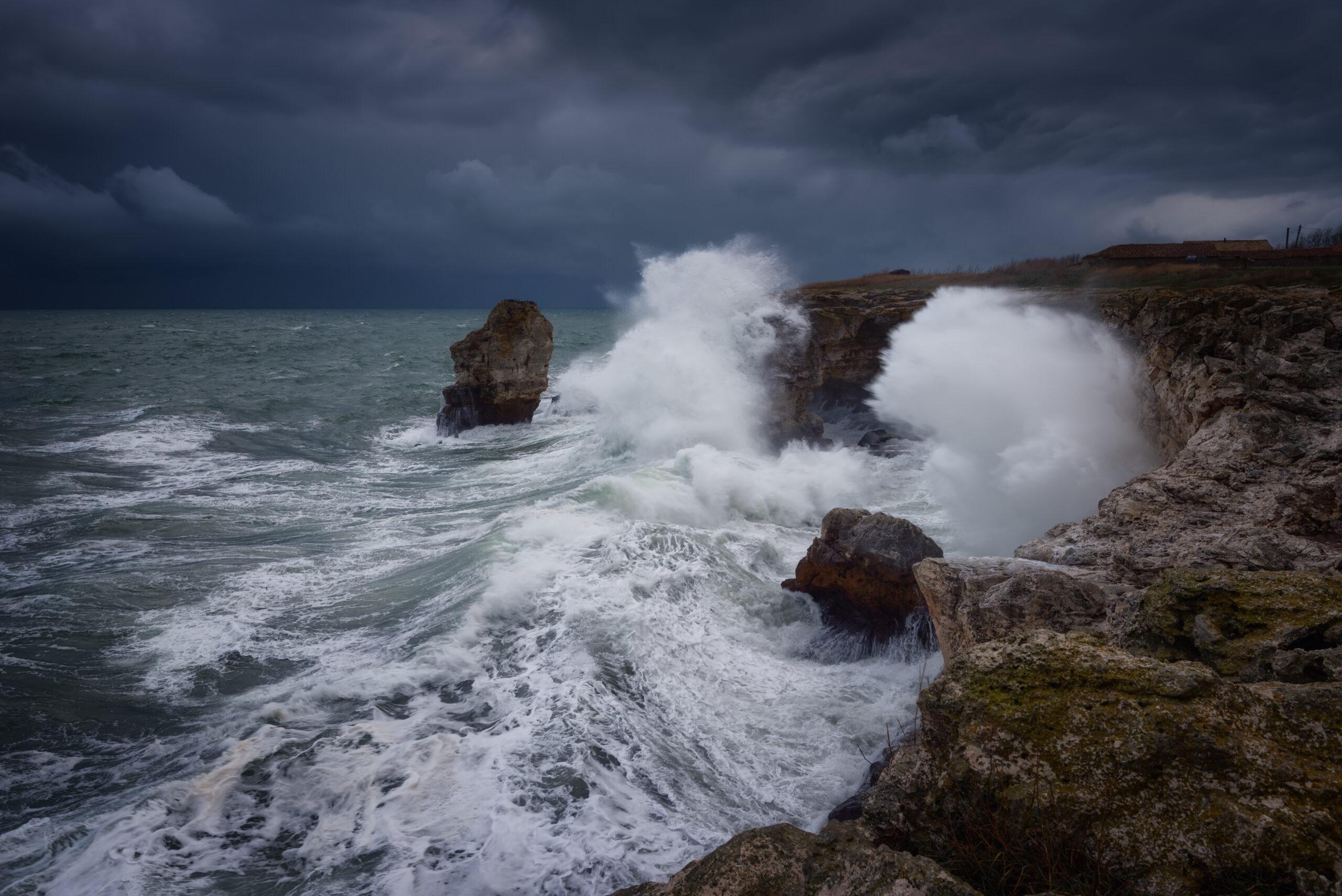
Although we traversed an endless parade of white-capped waves on our journey, the turbulence was hardly noticeable. As long as the powerful engines kept pushing us forward at a rapid clip, the boat’s v-shaped hull tore through the waves, preventing us from noticing the bulk of their effects.
We would feel an occasional bump or two, but the impact on our equilibriums was minimal. The speed at which we raced to our destination allowed us to maintain our balance.
RELATED: Shelter From the Storm: How My Tornado Shelter Became a Reminder of God’s Protection
When the engines shut off, however, the five-foot-high waves took control, tossing our vessel back and forth like a beach ball at a Jimmy Buffett concert. While our lives were in no real danger, my stomach was ready to jump overboard.
I laid on the hard sofa inside the cabin, realizing my body wasn’t made for constant churning. Instead, I needed to cease moving. I needed the waves to stop.
My cousin, on the other hand, felt fine. Dramamine kept his body’s reaction to our environment under control.
The only one on the boat’s deck who didn’t suffer any consequences from our environment — at least not without the aid of drugs — was the first mate.
You see, he’d taken this journey hundreds of times. He felt the waves nearly every day, so his body was conditioned to handle them. Most importantly, he trusted his captain to keep him safe. Although a big wave would occasionally knock him down, he got right back up and steadied himself before the next one hit.
I recall my deep sea experience each time my job, my relationships, or the health of my loved ones threatens to break me. My son’s recent health scare qualified, and it reminded me that all too often, life’s waves do their best to pound us into submission. One time they almost did.
RELATED: 5 Steps for Praying When You’re Overwhelmed
When my wife was pregnant, we did everything right. We attended classes and purchased the appropriate baby gear. She visited the obstetrician as prescribed, swallowed oversized vitamins, and avoided a lengthy list of foods. We were sure we were prepared.
We weren’t at all ready, however, for the tsunami that was about to crash into her already fragile body.
Although she’d experienced a few isolated contractions early in her pregnancy, at 24 weeks, they returned. Only this time they weren’t isolated…and they weren’t stopping.
We rushed to the hospital, and they admitted her immediately. The concern on the attending doctor’s face didn’t help ease our fears.
Giving birth at 24 weeks wasn’t unprecedented, but our son’s survival was far from guaranteed. If he did make it, a lengthy stay in the neonatal intensive care unit (NICU) was in his future. We needed to do everything possible to stop the contractions.
Nurses who shared our concern used an IV to pump terbutaline into her veins. Terbutaline—a drug that has, in the years since, caused the death of more than one pregnant user—had, in my wife’s case, elicited persistent vomiting that exacerbated her already debilitating dehydration. She was struggling and the contractions were growing in intensity and frequency.
Wave upon wave upon wave.
RELATED: Praying Through Pregnancy
At around midnight, her doctor became concerned that they might not be able to halt her contractions. When the doctor added that the hospital’s NICU was full, our hearts sank. My wife would have to be flown by helicopter to a hospital that had space available for our tiny son.
She was understandably terrified as medics monitored her vitals in the tiny chopper. I couldn’t fit, so I sped down the highway in our Honda Civic, hoping that our son would delay his arrival. As I did so, Jesus’ words popped into my mind.
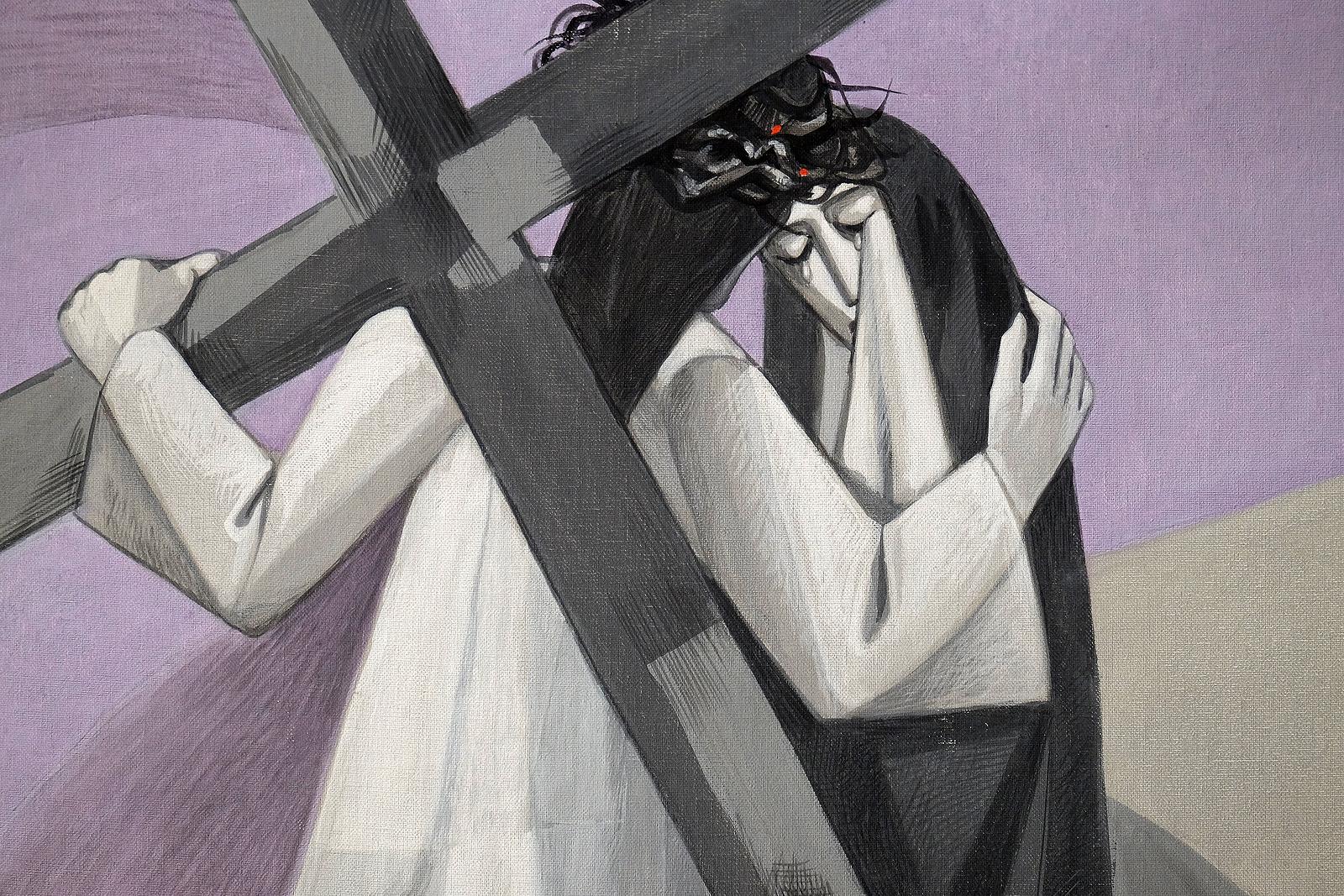
“A violent squall came up and waves were breaking over the boat, so that it was already filling up. Jesus was in the stern, asleep on a cushion. They woke him and said to him, “Teacher, do you not care that we are perishing?” He woke up, rebuked the wind, and said to the sea, “Quiet! Be still!” The wind ceased and there was great calm.” (Mark 37-39)
In the midst of our storm, Jesus was in control. I forced the gas pedal to the floor and prayed that he’d tell our waves to be still.
I don’t always trust him to still the waves in my life, though. Instead of confronting life head on, with Jesus on my side, I hide. I trust my way instead of following his.
That night on the highway, however, I couldn’t escape. My wife and I were tossed and turned, our son’s life at risk.
Fortunately, our expectation that our son was going to enter the world much too early wasn’t God’s plan. After an anxious night at the second hospital, the waves finally subsided. My wife’s contractions ceased, and we were able to return home.
RELATED: On Suffering: How I Stopped Asking ‘Why’ And Started Asking ‘How’
Over the next couple of months, my wife was on bed rest. With a stocked cooler at her bedside, she sacrificed her mobility as well as her health to shepherd our son into the world. Born healthy at 37 weeks, Nathan, which means “gift of God,” certainly was God’s gift to our family.
The joy that he brought us was almost enough to make us forget the storm that we — particularly my wife and infant son — survived.
I still often attempt to solve my problems with my solutions. In doing so, I forget that I can’t control everything that happens in my life.
During that night 18 years ago when my faith was its weakest, I couldn’t solve my family’s problems. I had to trust him even when I wasn’t sure he would save my son.
I recently learned a short prayer that St. Faustina taught:
“Jesus, I trust in you.”
I now pray this prayer whenever the storm clouds gather. And storm clouds gather nearly every day.
Not only does it remind me that Jesus can calm the waves, but it also helps me trust that he can do so. Big or small, no challenge is more than he can handle.
Jesus has and will provide me peace during the most difficult days of my life, and he promises to provide you peace, too.