
Tag: patience

  • 6 Bible Verses That Shepherd My Parenting

    6 Bible Verses That Shepherd My Parenting

    Parents and a toddler preparing food togetherWhen I became a Christian, I felt like God was inviting me to come to him for parenting support, through prayer and reading his word. 

    When I first looked at what the Bible said, I didn’t see much advice for parents. Apart from the often-quoted Proverbs 22:6 “train up a child in the way he should go,” there doesn’t seem to be a lot of advice that directly speaks to our parenting challenges. However, a deeper look reveals that many verses can support parents raising their children. 

    RELATED: How Memorizing Prayers Brought My Family Closer to God

    Loving our children is a reflection, on the micro level, of how Jesus loves us. As imperfect humans with a tendency to sin, it’s a lot to live up to, but thankfully God gave us his Holy Spirit to be with us. 

    Here are six Bible verses to meditate on and memorize to help us along our parenting journey. I try to read and reread these as often as I can so that when I’m in a sticky parenting situation, God’s words of advice remind me to parent in the spirit and not in the flesh. 

    1. Remember the fruit

    But the fruit of the Spirit is love, joy, peace, patience, kindness, goodness, faithfulness, gentleness, self-control; against such things there is no law (Galatians 5:22-23).

    There are many parenting moments where I don’t feel peaceful or patient, when my words aren’t kind or gentle. Having this verse at the forefront of my mind can interrupt any negative patterns of thinking. It’s so easy to forget, which is why I like to read this one often; I even spent a week meditating on it. You could put it in a prominent place like your bathroom mirror, or on the fridge. 

    2. Pray without ceasing

    Cast all your anxieties on him, because he cares for you (1 Peter 5:7).

    When I first became a Christian three years ago, I gave up new-age practices after God showed me to rely solely on him. However, my parenting actually deteriorated for a while as I did not share my problems with him! It felt much harder to rely on a God I could not see. It took an inspiring sermon on the power of prayer to really make me sit down every day, and make sure I gave every anxiety to God. After that, I felt much calmer as a parent. 

    It can be all too easy to get caught up in my worries and not involve God. The Bible is full of reminders such as; “pray without ceasing” (1 Thessalonians 5:16) and “do not be anxious about anything but in everything by prayer and supplication with thanksgiving let your requests be made known to God.” (Philippians 4:6)

    3. Speak gently

    A soft answer turns back wrath: but a harsh word stirs up anger (Prov. 15:1).

    When I want to make a request or set a limit with my kids, it can be easy to let my own emotions come out in my tone of voice. Sometimes I get frustrated about the state of the kitchen or my irritation rises as a simple request is met with complaints or arguing. Nevertheless, using a gentle, loving tone, even when we need to hold a firm limit can help to build the sense of connection children need to cooperate with us. 

    LISTEN: Tackling Kids’ Tough Questions of Faith

    4. Stay quiet

    No human being can tame the tongue. It is a restless evil, full of deadly poison (James 3.8).

    I have found this particularly helpful as my daughter has gotten older and more prone to debating or questioning me. Sometimes rising irritation can lead me to say things that I may regret later. In those moments, I try to remember the book of James which has many reminders about staying quiet. 

    5. Stop complaining

    Do all things without grumbling or disputing, that you may be blameless and innocent, children of God without blemish in the midst of a crooked and twisted generation, among whom you shine as lights in the world (Philippians 2:14-15).

    Before coming to Christ, I must admit I complained a lot, often about the state of the house and the amount of items on my to-do list. I thought of it as a healthy expression of my feelings, but in reality, there were times when my moaning just created a bad atmosphere. This verse helps me, as it acknowledges that yes, this world is fallen and broken, so there will be many struggles. But we are servants of Christ so it’s our job to shine.

    6. God makes the impossible possible

    With man this is impossible, but with God all things are possible (Matthew 19.26).

    There have been moments when things seem impossibly hard, and I feel there is no hope. When I find myself caught thinking I’m not a good enough parent, or this is never going to change, I just remember that I’m not doing it alone.
  • How Adopting a ‘Growth Mindset’ Has Enriched My Spiritual Life

    How Adopting a ‘Growth Mindset’ Has Enriched My Spiritual Life

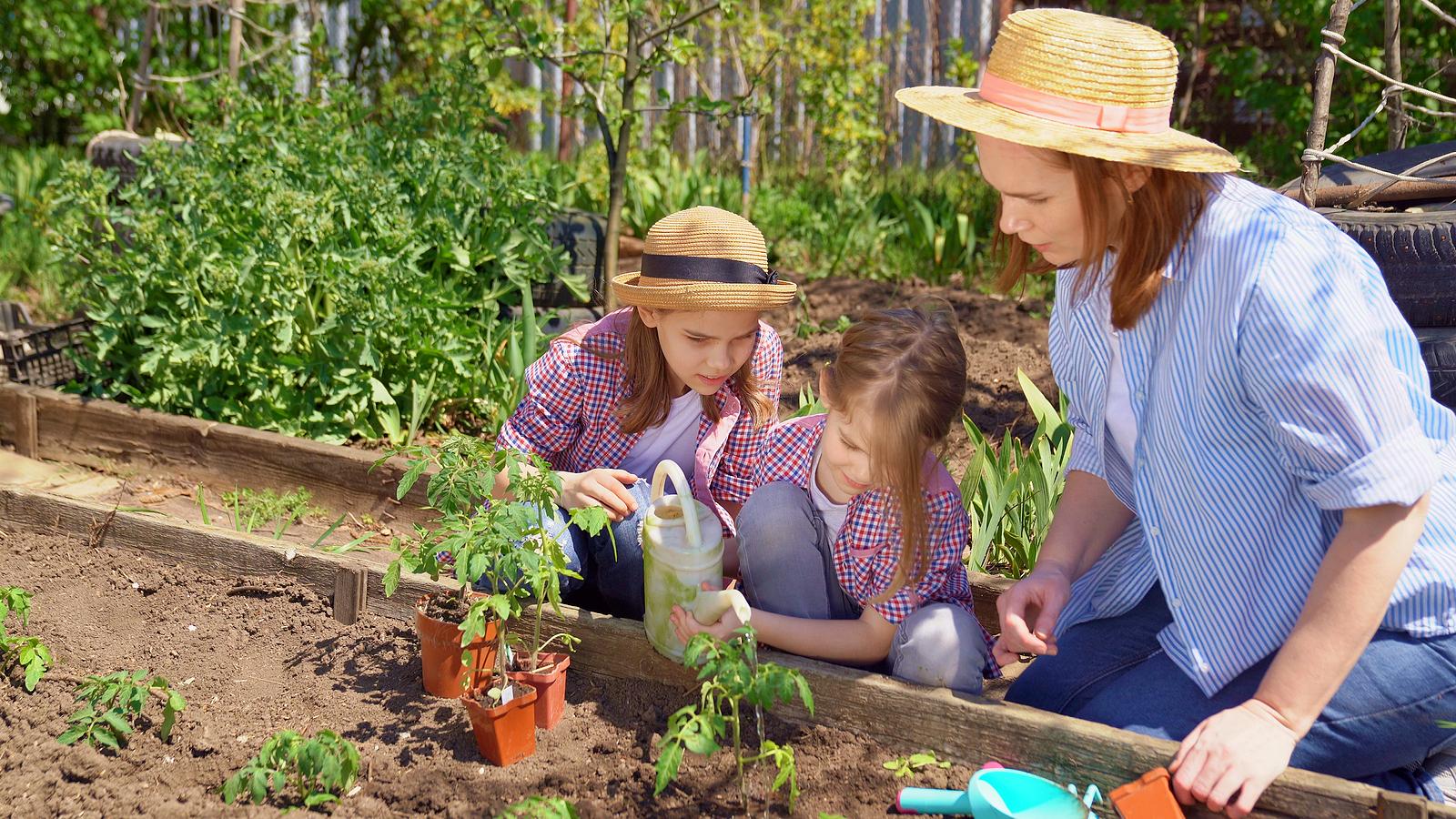
    Mom And Her Daughters Planting Seedlings In Garden BoxWhen I saw the first spots of bright green in our long planter boxes, a jolt of adrenaline shot through my veins. It’s actually happening! I thought to myself as I called my daughters, who are 4 and 7, to see the sprouts. We are actually growing things in our garden! 

    Just two weeks prior, I had fussed around them as they spilled soil, sloshed water, and sprinkled flower seeds. I was nervous. After a long history of gardening failures, I had finally been able to keep a few houseplants alive for a few months. Growing something from seeds seemed like the next logical step, but it also felt like a colossal leap, like attempting to cross a divide just a few inches too wide. As I carefully arranged the planters in the sun, I truly didn’t know if they would bloom or die.

    That’s because, for a long time, I thought I was just bad at gardening. As I watched neighbors and friends successfully grow their own food, I wrote it off as a special talent that they were blessed with, and one I didn’t receive. “I’m good at other things,” I would joke as I thought about the garden beds around my house overrun with weeds. 

    RELATED: Wisdom Learned From Gardening With My Mother

    Then, in a professional development session for high school teachers, I learned about the concept of having a growth mindset, the belief that a person can grow in their abilities and skills, and I decided to give gardening a more intentional try. What if I did a little research first? I asked myself. What if I invested a little money in getting the right tools? What if I made it a habit to do a little bit of work each day? What if I tracked my progress slowly over a longer period of time? 

    The questions intrigued and excited me. Suddenly gardening didn’t feel like an activity that was never meant for me, but a challenge that I could take on at my own pace and in my own way. 

    Adopting a growth mindset can transform the way a person looks at any new or interesting skill they want to try, like playing the piano, painting with watercolor, or skateboarding. It can also transform the way we approach our spiritual lives. Ordinary Time, with its slower rhythm and focus on steady discipleship, is the perfect time to look at our spiritual lives with an eye to slow and steady growth. 

    My time in the garden has taught me that I need the same things whether I want to learn something brand new or cultivate the thing that is already a cornerstone of my life – my relationship with God: a reasonable goal, the right tools, and daily attention, patience, and time. 

    RELATED: Weeds and Wheat: Getting Rid of What We Don’t Need

    Growing vegetables still feels too daunting this year, so our family is trying to grow a few pots of flowers and herbs. This goal seems just challenging enough that I want to work toward it. I will celebrate if we are successful, but I won’t be devastated if we fail. 

    If I want to grow in my spiritual life, setting a reasonable goal is important, too. I once heard a priest preach about this when it comes to establishing a habit of daily prayer. “You’ll never start with an hour a day! Try 10 minutes,” he said. When I wanted to get into the habit of praying the Rosary every day, I started with just one decade a day. I don’t have to do everything all at once. I can work toward a bigger goal via small steps over time. 

    The right tools have also made a big difference in my abilities as a gardener. I set a small budget for this hobby and intentionally bought items that would help me troubleshoot problems I have encountered in the past: pots with good drainage (I tend to drown my plants) and potting soil that has nutrients mixed in (sometimes just the sun is not enough—who knew?). 

    LISTEN: Simple Ways to Rejuvenate Your Faith With Joe Paprocki

    I’ve learned there’s no need to go all out and spend a ton of money on products or services that promise they will help me connect with God. By thinking carefully about roadblocks that have prevented my spiritual growth in the past, I’ve found creative solutions for overcoming them one at a time. For instance, an old-fashioned alarm clock has helped me and my husband wake up early for personal prayer so we no longer start our day by reaching for our phones. 

    I think the hardest truth about learning something new is that it takes consistent daily attention, patience, and time. I need to check on my garden every day, just as a musician needs to practice or an athlete needs to train every day. These daily tasks can feel tedious because they rarely provide evidence of growth or development. However, when I take a longer view, success is easier to see. I am a more confident gardener than I was a few years ago. And perhaps in a few years, I will be better at it still. 

    The same is true for spiritual growth. It can feel tedious to show up to Mass every week or prayer every day. But as the seasons of my life change over time, or as I start to encounter challenges and difficulties with more trust and grace, I can see the ways that God has been nurturing my soul with careful attention all along, just like a gardener. 

  • How to See Life’s Interruptions as Blessings

    How to See Life’s Interruptions as Blessings

    I once went on a retreat in Northern Colorado to a Benedictine abbey where I noticed a bell would ring throughout the day. I later learned that the bell was to let the sisters know it was time for something they were called to do or attend to (prayer, farm chores, someone at the front door of the abbey, etc). When the bell rang, they had to stop what they were doing to tend to whatever the bell’s purpose was for; as that interruption became the top priority. 

    We have an actual bell in our house, but no one is allowed to ring it because it’s really loud and my kids would never stop. Ever. 

    RELATED: Praying for Patience: What I Learned From God’s Time vs. My Own

    At the time, I thought the bell at the abbey felt a lot like parenting. Having kids is one long season of interruption, setting aside whatever we’re doing to attend to the needs of others, and parents learn to roll with it no matter how frustrating that feels at times. But, there are many moments when my time (what little I have) gets taken from me, and it’s a continuous struggle to want to share or give that time away. 

    Often, in the evenings, I finally get a chance to sit down after a long day of continually serving my family only for someone to need something. Maybe it’s something I can’t really ignore, like someone getting soap in their eyes in the shower, a misunderstood homework assignment, or the baby waking for an unscheduled after-bed diaper change. Often, it’s something I want to ignore but realize is important to one of my kids, like a requested bedtime story, or help with nail polish. On the weekends, my husband will often ask me to help with a project; thwarting any opportunity for me to do things I’d hope to do. Even when it’s not something urgent, my time is often interrupted by thoughts or reminders of things I didn’t do. I’ll start to read a book, then remember I forgot to wash uniforms for school the next day, which leads to discovering a load of towels in the washer which can’t be moved because the dryer is full. 

    RELATED: The Work of Rest: How I Find Time for Spiritual Reflection in My Busy Life

    Those with the vocations of parenthood and religious life aren’t the only ones who have “bells” to answer; everyone does. We are all called to serve others every single day; what better way to know when to serve than to be interrupted with a reminder? While at the abbey, I learned the importance of our Christian call to love and serve and how that’s a large part of my vocation as a mom. When I get frustrated at interruptions, I remember the bells at the abbey. I remember my vocation. Every request from one of my family members is a daily reminder and call to serve. It’s kind of my job. 

    The bells of the abbey remind me that despite whatever curveballs I get in family life, the object is to keep going. Especially when I don’t want to. Find the good in the interruption, the gift, the message, whatever it is God is trying to show us. Look for the lighter side of what I’ve had to adjust and why I had to. That’s what the bell means. 

    RELATED: Learning to Live in the Moment, Even When You’re Busy

    So, how do you stop regarding all the unpleasant things as interruptions?

    I don’t know. 

    Like everything else, I suppose it’s about practice, persistence, determination. I’m not very good at it, but I’m trying to be. I’ve been working on a few things that help like:

    • Stop and take a breath.
    • Pray for help: Holy Spirit, give me the patience to handle each interruption with patience so I may offer it up to God.
    • Prioritize my to-do list after the interruption.
    • Remember the importance of my Christian duty to love and serve others. (I know, this is so hard sometimes. I’m terrible at this a lot, too).

    We all know living the holy life isn’t easy. It takes a lot of humility and self-sacrifice, and maybe life’s interruptions are God’s way of reminding us of that. If serving others is an act of the highest form of love, then we honor God every time we answer that “bell,” especially if we don’t want to, but choose to anyway for the sake of the one ringing it. 

    RELATED: 10 Ways to Serve Others When You Have Young Kids

    I try to remember that God is always working on my soul. Interruptions are a part of life and I doubt we’ll ever see an end to them. So, I find that with the right perspective, it’s a lot more bearable. As it stands, our metaphorical bell of perpetual interruption serves as a good enough reminder of my duty as a mom to serve my family. Maybe one day I’ll learn to fully embrace the bell. The metaphorical one, not the real one in my house. It’s really loud and it would never stop ringing. Ever.

    Originally published January 11, 2021.