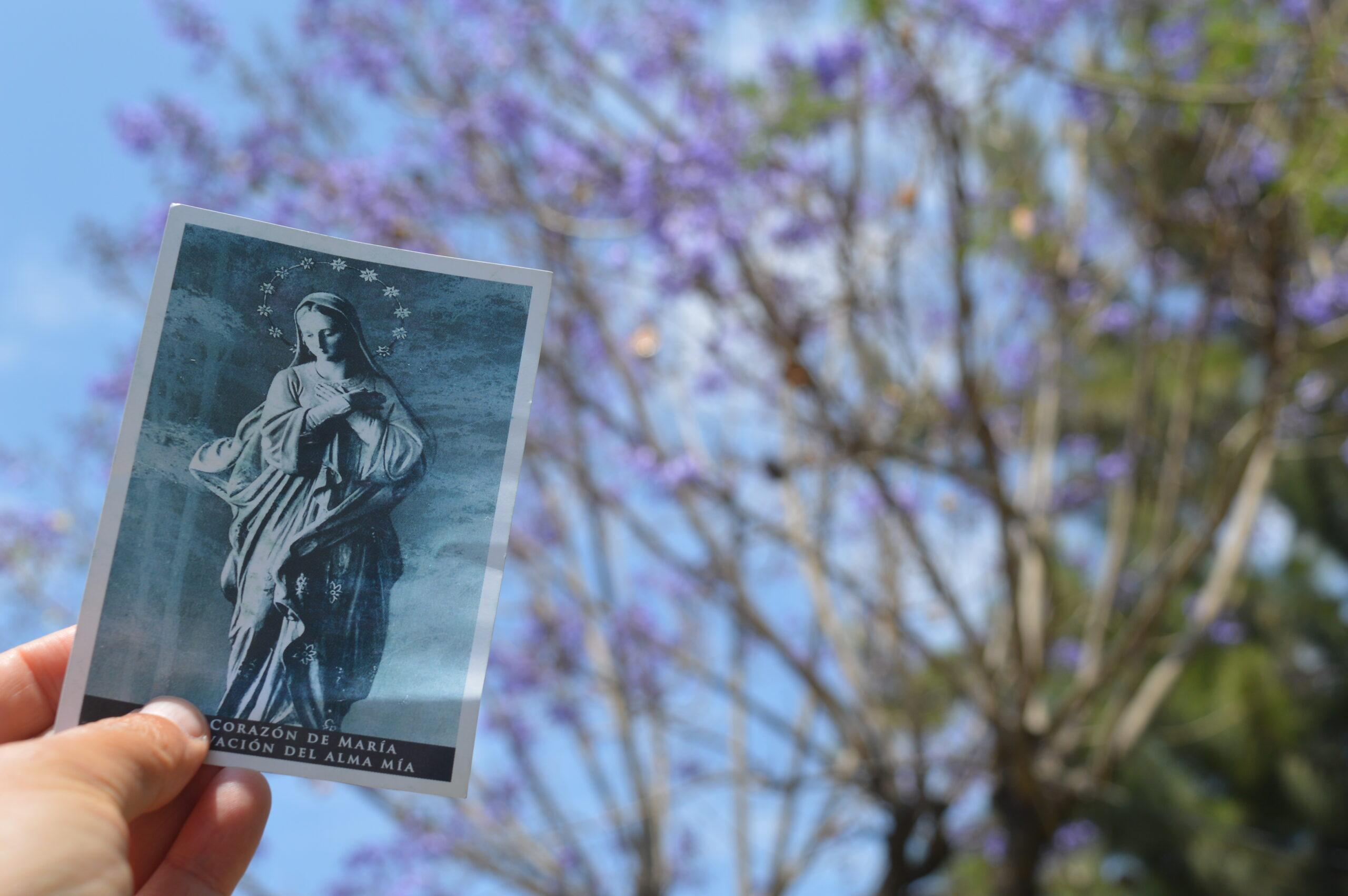
With All Souls’ Day, November 2, Catholic parishes and other faith communities begin a month-long remembrance for all who have died. In the same spirit, we share this retreat as a way to remember the people in your life who have died. This virtual retreat offers a chance for you to reflect more deeply on what they have taught you, as well as an opportunity to offer thanks and determine how their legacy will guide your life going forward. Click here to open/download a PDF of the retreat.
Getting started
Many faith communities have a Book of Remembrance in which people are invited to write the names of those who have died.
Begin your retreat by writing down the names of the people you would like to remember. In order to not overwhelm yourself, list no more than five names per retreat. Write these names in your journal, on a writing pad, or on a small note board so they remain visible to you for a few days. Next to each name, write a two-word description of that person. No more than two words for now, you can write more later if you’d like.
Here’s an example:
Michael Davis – faithful friend.
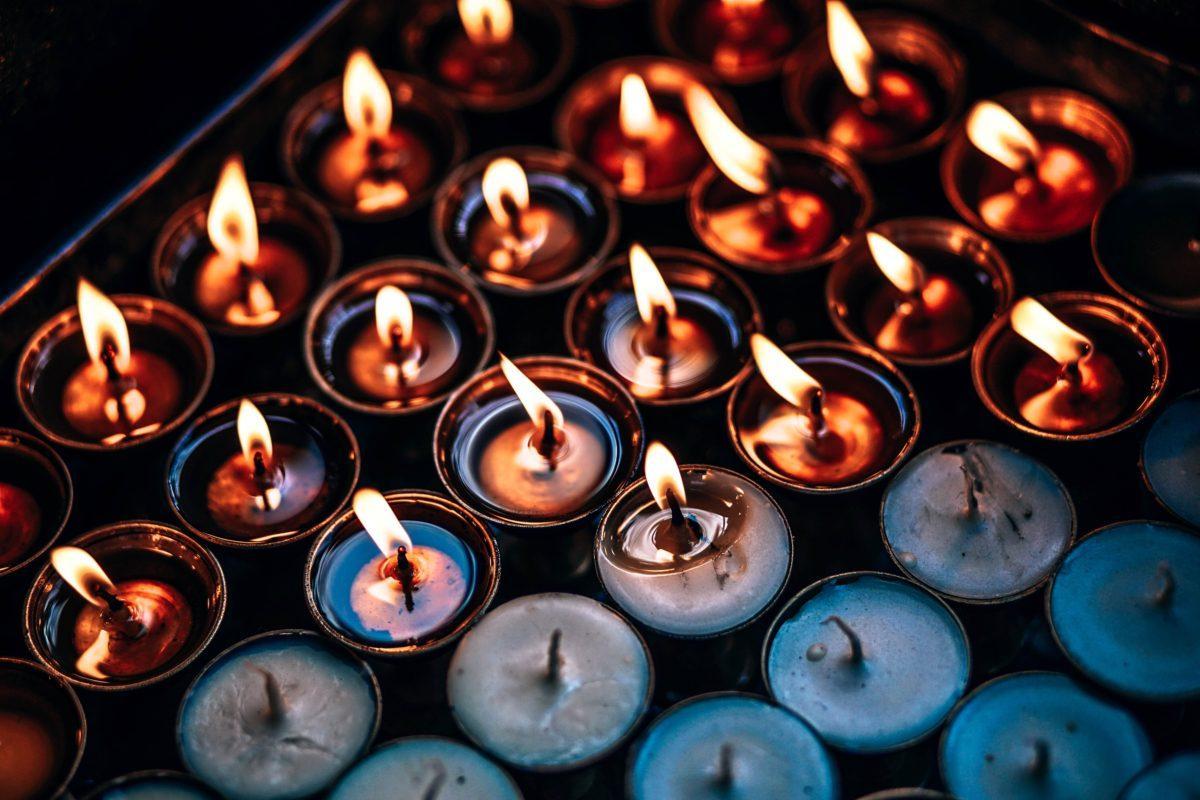
Finally, light a candle in memory of the one(s) you have named as a sign of hopefulness
Prayer (based on Numbers 6:24-26)
“The Lord bless you and keep you! The Lord let his face shine upon you, and be gracious to you! The Lord look upon you kindly and give you peace!”
Gracious God, Author of Life and Victor over Death, at this time of remembrance, I ask that you continue to bless and keep (say the names you listed above) who are now at rest in death. Smile upon them and give them your grace. Please continue to bless and keep me as well as any who were a part of their lives. May their rest be peaceful as you show them your kindness. Through Christ our Lord, Amen.
Giving thanks
For each person that you’ve listed, speak or write something about that person for which you are thankful.
Reflection
Based on your relationship with each person you have named, select one of the four ways below to reflect more deeply. Your reflection will be structured as a conversation for you to have either with the person you have named, with yourself, or with God. Conduct the conversation as you wish (writing, speaking, praying). Go at your own pace and challenge yourself to move a bit beyond your comfort zone for the sake of healing, integrity, and insight.
“I am still grieving over you.”
- Talk about what you are feeling specifically at this stage of your grieving.
- Talk about what you are doing to cope with your grieving. What support do you have?
- Talk about what you hope for in the midst of the grieving.
- Pray for comfort in this time of grief.
“I really need/want to let go of something concerning you.”
- Talk about why you need or want to forgive the person you have named.
- Talk about what you are doing to help you let go. What support do you have?
- Talk about any insights you have gained that might explain why the person you have named hurt or offended you.
- Make a statement of your intention to let go and move on.
- Pray for the strength to show mercy.
“I wish I could have said this to you.”
- Talk about what the person you have named means to you.
- Talk about what specifically you wanted to say to them and why.
- Talk about what you hoped for in your relationship with the person you named.
- Pray for your peace of mind and heart.
“I hope you are at peace.”
- Talk about what the person you have named went through.
- Talk about what you hope the person experiences in this time of rest.
- Talk about how your perspectives and outlooks have grown in virtue because of knowing the
- person you have named.
- Pray for a peaceful rest for the person you have named.
Legacy
Here is an opportunity for you to mention what the person you have named has taught you and what you would like to carry forward in your own life. Use the guidelines below for creating your legacy statement:
In the course of their life, (names from above) taught me to ___________. In gratitude and hope, I plan to live out their lesson by ___________, with the help of God.
Closing prayer
Excellent Lord, you are the God of the living and of the dead. In the moment of remembering (names from above) who have died, I take this time to commend so many who have died to your loving care. Especially remember those who have died alone, children who have died, those who have died from disease and poverty, and those who have died as a result of war or violence. May they truly rest in peace.
For the ones who loved them, give comfort. Let them know your loving care through your presence and the presence of friends and community. May those who are grieving be touched by tangible expressions of consolation and support.
God, in your grace, show those who have died your loving mercy. And, in your wisdom, let their legacies help us live better lives. Amen.
Conclusion
Here are a few suggestions for your ongoing remembrance:
- Write the names of those you are remembering in your parish’s Book of Remembrance.
- Light a candle in a church for the ones you have named in this retreat.
- Create a page in your journal for each person you have named. Add photos and even funeral programs to your entries.
- Use the legacy portion of this retreat with others. Plan a time with family or mutual friends to celebrate and remember the legacy of the deceased.
Originally published on November 1, 2017.