
Tag: Mass

  • Four Tips for Keeping Your Semester Holy

    Four Tips for Keeping Your Semester Holy

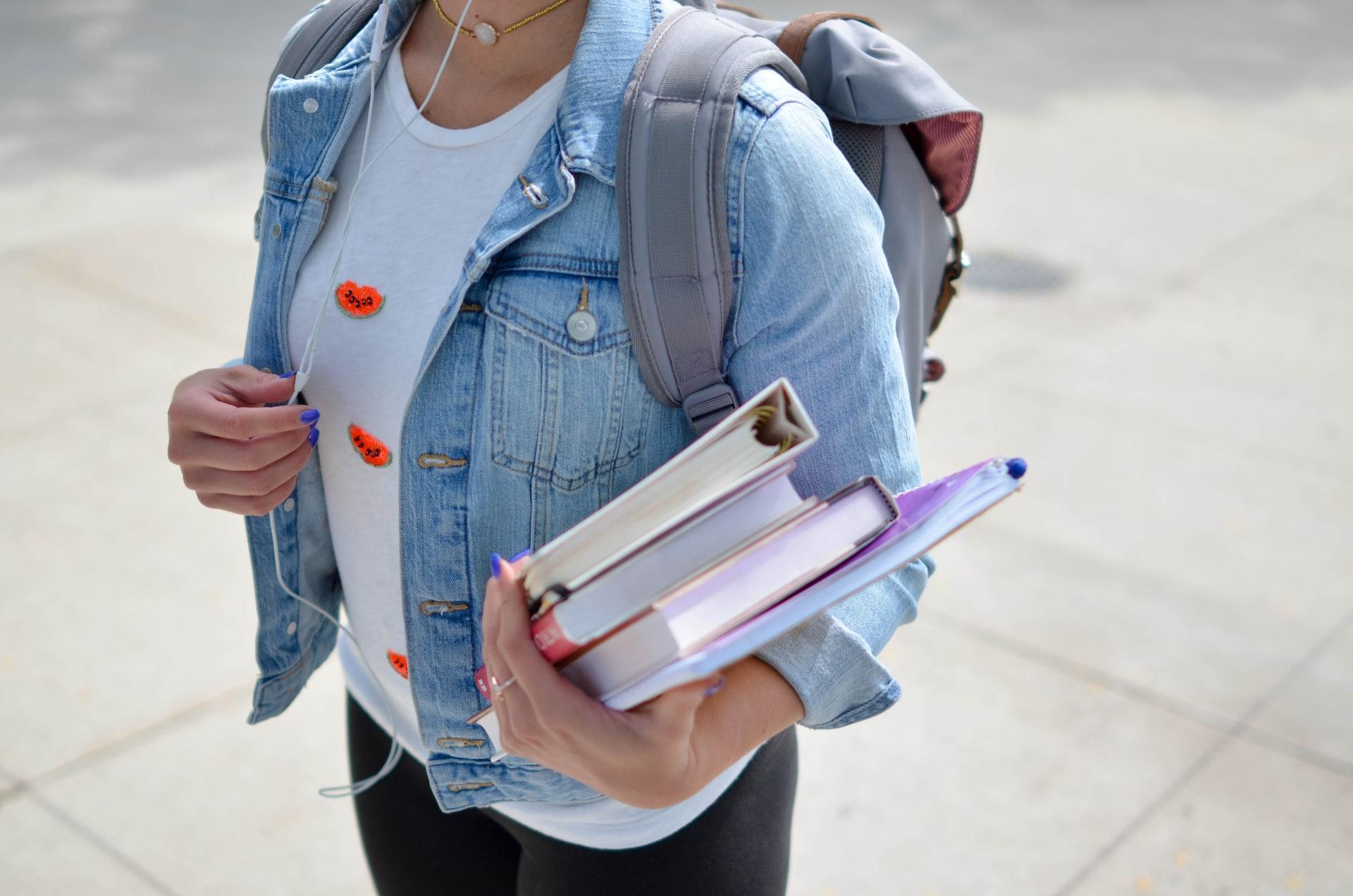
    Close up of college student carrying books to school
    Photo by Element5 Digital on UnSplash

    I’m a college English professor with two children, ages 6 and 8. As a new school semester begins for our family, new routines automatically emerge. My son Jack will start playing basketball. My daughter Emmeline will start dance classes. I’ll begin teaching a new set of courses. A new semester automatically ushers in new ways of ordering our lives. My husband and I will arrange carline pickups and meal plans. College students will begin to schedule cardio classes with friends and other extracurricular activities. 

    As academics and activities increase for parents and students alike, so does joy – and stress. We need God in all of these moments, big and small. In the midst of school planning over the years, I’ve learned that an active spiritual life can sometimes get the short shift: There is no “back to school” meeting or college orientation that God plans for worship. Here are some tips I’ve learned over the years, so my family’s relationship with God remains at the center of every academic semester.

    RELATED: 3 Ways to Keep the Faith This School Year

    1. Take a few minutes to read or listen to the Daily Readings 

    Growing up, my mother always told me to “begin the day with Jesus,” and this advice has never left me. I remember seeing her in the mornings with her Bible and coffee in hand. Today, I often read Scripture during my morning routine, while blow-drying my hair, or I’ll listen to the Laudate app on the way to work. This five-minute check-in provides spiritual guidance, helping me ponder how God’s word relates to the events of my day. As I’m teaching or learning about new subjects or simply out with friends, I can think about how the daily reading intersects.

    2. Create or find a sacred space that you visit

    This summer, my daughter attended vacation Bible school and created a rosary with pipe cleaner and multicolored beads. She asked to hang it on her wall, so she could look at it and take it down to use. At work, I have a crucifix hanging and a poem by Mother Teresa that I reflect on when needed. Creating a sacred space doesn’t require a large area; all you need are small reminders that help bring you to prayerful time with Jesus. The side of your desk can hold a prayer card, as can your laptop. If you feel your environment isn’t conducive to creating a sacred space, find a space that helps you feel close to God that is easily accessible during your week. Don’t be afraid to visit your parish, your college’s Newman center, or the sanctuary at your school if there is one! Even a beloved tree will do in a pinch. Schedule this quiet time with God the same way you would a visit to the gym or a study group session. Just 10-15 minutes in prayer, away from the bustle of everything you have to do during the week, can help recenter your mind and bring a quiet peace to an otherwise packed day.  

    RELATED: 9-Day Back-to-School Challenge

    3. Befriend a saint for the semester or school year 

    Last year, because of the pandemic, I got to know Julian of Norwich, someone I’d always found inspirational but never had time to discover more about. I spent time asking for her intercession and read a little about her, often sharing her devotional writings at the start of my classes. She lived in isolation during a pandemic and has a famous prayer: “All shall be well” that has always given me comfort. Spending dedicated time with her helped me not only grow in knowledge but also deepened my faith. If you’re interested in literature like many of my students, you might choose to spend time with Saint George—the patron saint of reading. Or, if you’re interested in medicine, Saint Raphael or Saint Gianna Molla might be for you. Perhaps when creating a sacred space, you keep your saint for that semester or even school year in mind, knowing that they’ll be praying for your spiritual and academic success. 

    4. Set aside time for Mass 

    This one you probably expected to see on this list—but sticking to it is harder than it sounds during a busy semester. On my semester calendars and syllabi, I mark off religious observations and holy days. God may not require you to attend an orientation like I mentioned above, but we should be sure to schedule Mass into our lives just as we do anything else (or ideally before we do anything else). In the same way you’ve befriended a saint for the semester, you might try to find a friend to attend Mass with. If you’re in college, Newman centers or campus ministries are excellent places to start to find like-minded Catholic students. Or simply start showing up, and you’ll find familiar, friendly faces with similar values. 

    Mass is like beginning the day with Scripture: it infuses the week with love. Receiving the Eucharist. Offering peace to your fellow Catholics. Praying together in communion. This is what being Catholic is about, so it’s important to make this time with God a must—even and especially when we’re the busiest. This is one way we bring peace and joy to ourselves, and to the world around us. 

    RELATED: Back to School: Staying Connected to What Matters

    It feels fitting to end with one of my favorite Bible verses, Philippians 4:8, which reads:Finally, brothers and sisters, whatever is true, whatever is noble, whatever is right, whatever is pure, whatever is lovely, whatever is admirable—if anything is excellent or praiseworthy—think about such things.” 

    A busy semester will pull us all in a multitude of directions, and busier schedules will likewise have us contemplating a range of different “things.” Setting aside time to read what is “right” and “pure,” spending time in sacred spaces that are “lovely,” getting to know a “noble” saint one “admires,” and attending Mass where “truth” is spoken and felt are all ways to create a holier semester. I’ve learned over the years that none of the practices I’ve suggested take much time from my everyday life, but each of them has transformed it in a different way. Incorporating these ideas into your calendar at the beginning of the semester – as my family will be ours – will help ensure not only that your spiritual life feels attended to, but also that your whole life might be infused with a sense of calm because you’ll know that God will be a fixture in the patterns of your life no matter what the semester may bring.

    Originally published August 31, 2022.
  • Three Steps for Coming Back to Church

    Three Steps for Coming Back to Church

    I often run into people who, upon finding out that I work in the Catholic Church, inform me that they’ve been away from church for some time. Many aren’t angry with the Church (though some are and often have good reason for being so!), rather they’ve simply fallen out of practice. Many tell me that they’d really like to return but they’re “afraid the roof will cave in.” It can be quite anxiety-provoking to come back to church. Who knows what kind of feelings this might stir up? The truth is that relief, not anxiety, is the central emotion that many people feel upon “coming home” to the Catholic Church.
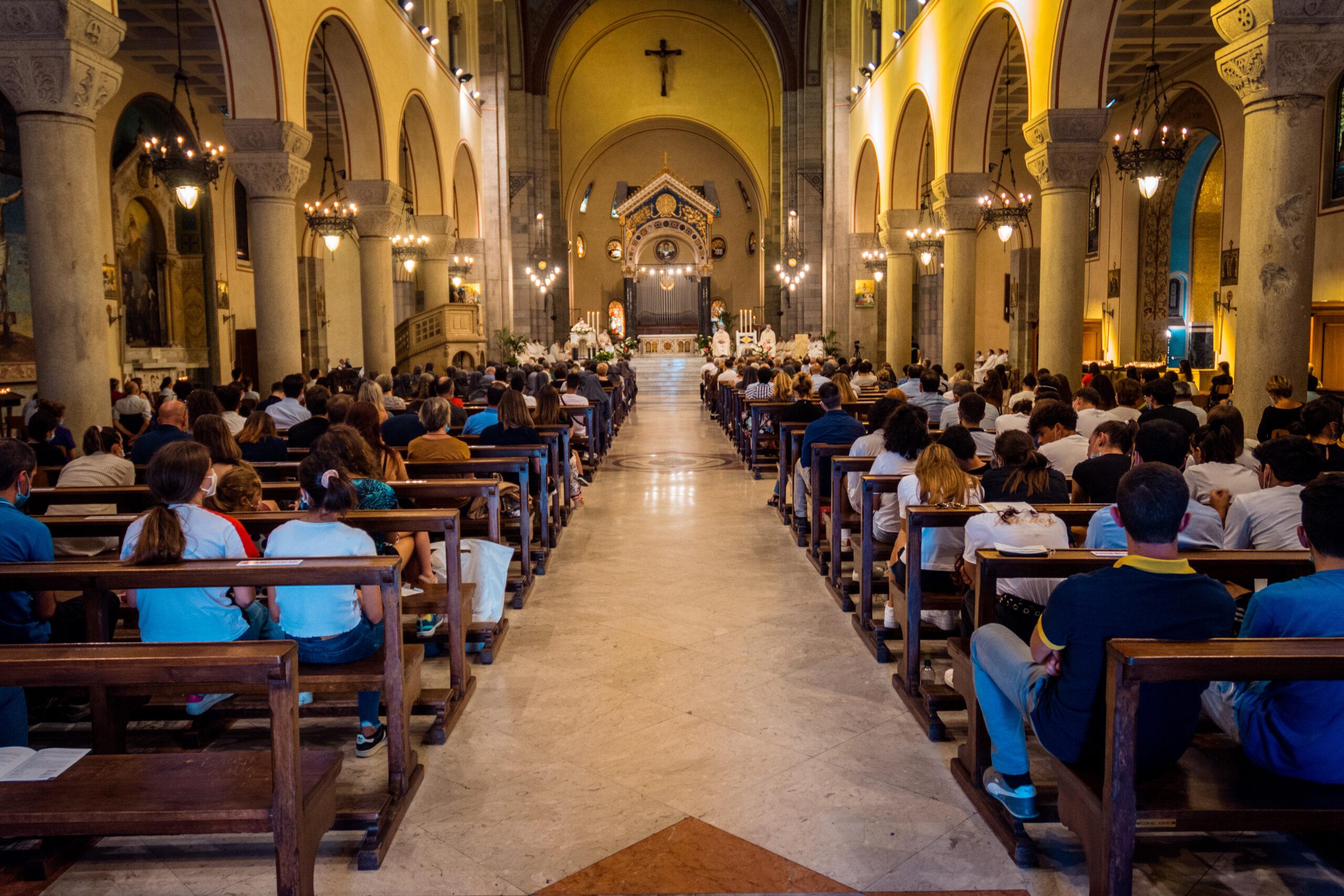
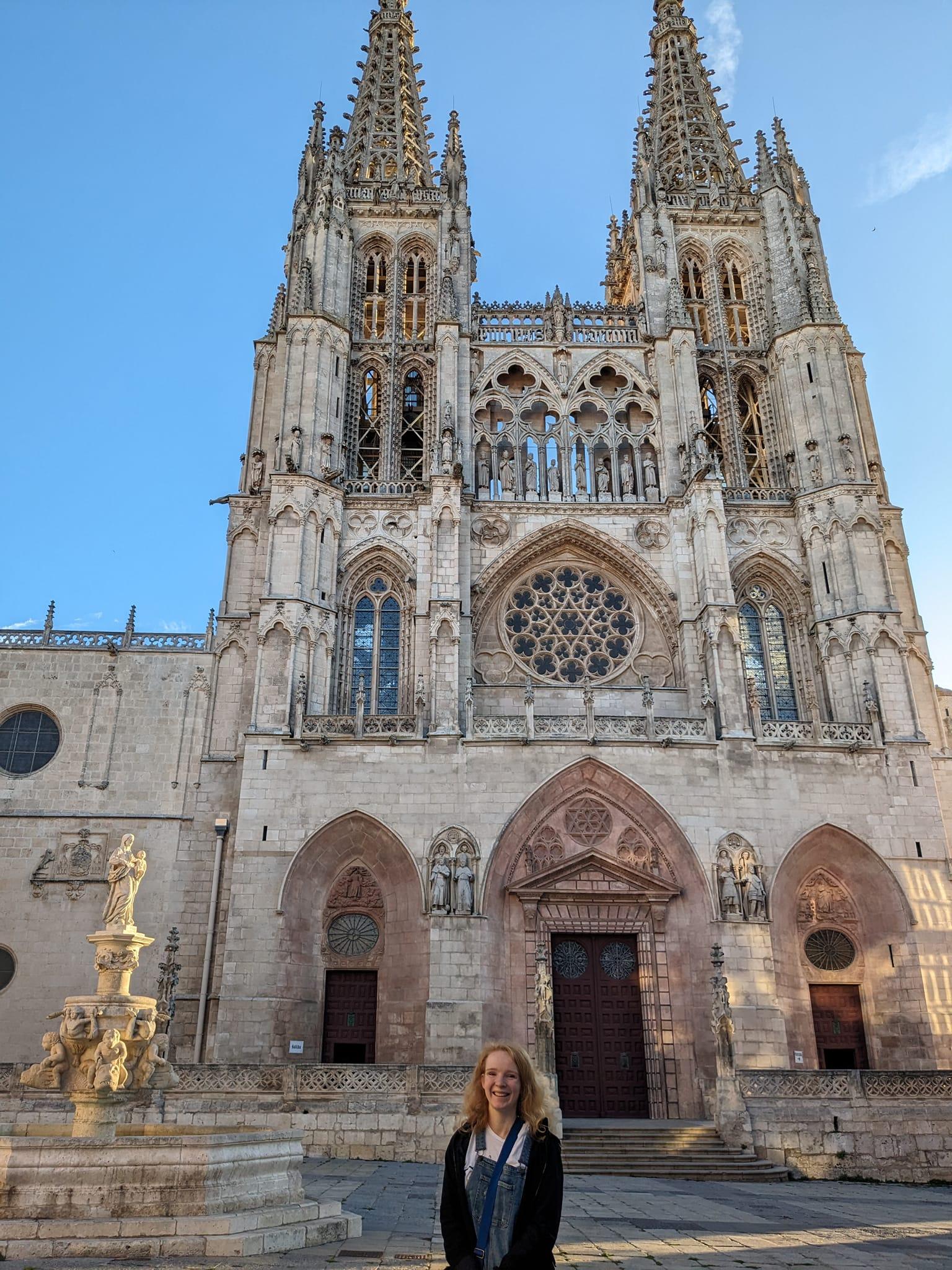
    But how does one “come home”? Do you need a formal invitation? Is there a need to announce one’s absence and return? Here are three initial steps to take when you’ve made the decision to attend church once again.

    1. Show up

    Start by talking with your Catholic friends who attend church regularly. Back when I was in radio, many people I worked with knew I was a churchgoer and would tell me that they were looking for a place to attend but were too afraid to walk in on their own. I would always offer the invitation to attend with me. So ask around! Find someone you’d like to go to church with and then make a “church date” and attend with them. You can also investigate a local parish if you’re there for a wedding, baptism, funeral, or other event. You might take some extra time to pray and seek out the pastor or associate pastor afterwards for confession.

    2. Reconcile

    The Sacrament of Reconciliation is always a good option for those of us who have been away from church for some time. If you start out by attending Mass with friends or by yourself, pick up a church bulletin and find out what time the Sacrament of Reconciliation is offered in that parish, or if you’re lucky, the priest presiding at Mass might have some spare time to hear your confession that day. This sacrament reconciles us to both God and the community. The priest represents the community as well as our merciful God who forgives us. Like the Prodigal Son who came home after a long absence, God and the Church rejoice in our returning home again. So, we ritualize that celebration with the Sacrament of Reconciliation where we admit our faults and rejoice in the mercy of God. Nervous? Check out Busted Halo’s Sacraments 101 video about Reconciliation and walk with another young adult through her first confession in 10 years, captured in this video from World Youth Day.

    3. Join

    Some parishes call this “registering.” When you do this, you are saying that you wish to be a regular member of that particular parish community. You may be asked how you came to know the church, what you like about the parish, and what activities the church has that interest you. You may also be asked how you wish to contribute to the parish’s financial well-being. Remember, being part of the community means chipping in! Some parishes have a “New Parishioner Welcome Night” where you register and find out a bit more about the place. The parish, in turn, can find out more about you. Don’t be afraid of committing — putting your name down may just help you resist the temptation to drift away again after a while.

    Looking for more help making the transition?

    Some people prefer to take a little more time with their return to the church. Here are some programs designed to help with the transition back into the community:

    • Catholics Come Home is inspired by the call to a New Evangelization and is reaching out to inactive Catholics with inspiring media, which asks visitors to “open a door” and discover (or rediscover) the truth and depth of the Church.
    • Once Catholic will connect you with a community of Catholics as you sort through your issues with the Church.
    • Landings is an eight-week support group where people returning to the church get to tell their stories, discern a place in the Church, and find a way home.
    • Your local parish might also be doing something specifically for “returning Catholics,” so check out the parish bulletin or newsletter, or inquire with the priest.

    The truth is that coming back to church isn’t as scary as it sounds. And there are lots of great resources that can help you as you continue your spiritual journey here at Busted Halo — podcasts, videos about Church teaching, answers to your questions of faith, engaging articles about faith and spirituality, and much more. So, with these three steps as your guide — get out there and go (back) to church!

    Originally published February 12, 2013.

  • Finding Christ Worldwide: Embracing the Universal Celebration of Mass

    Finding Christ Worldwide: Embracing the Universal Celebration of Mass

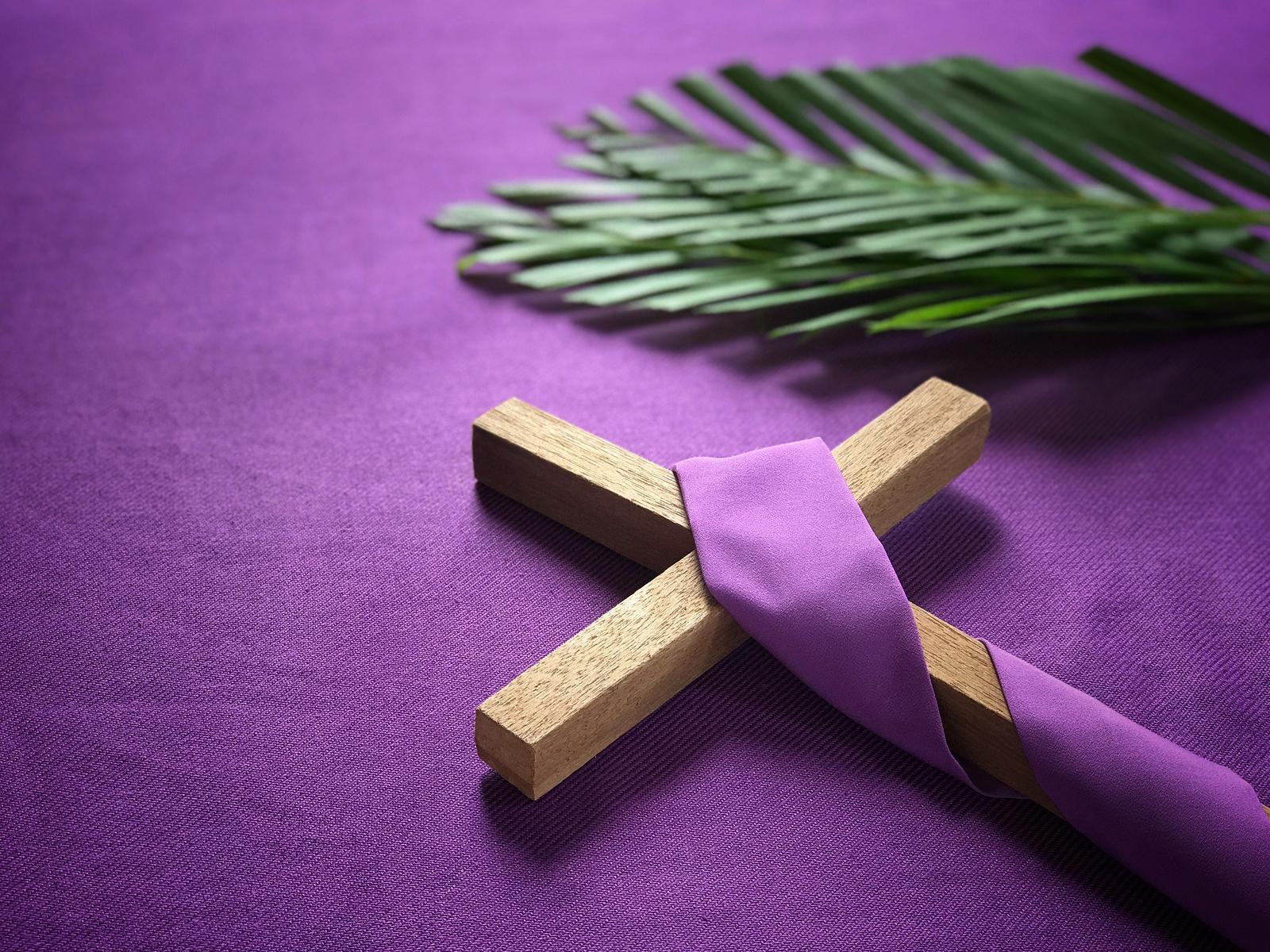
    The author in front of Burgos Cathedral in Spain. (Photo courtesy of Sheila DeBoer)

    Going to weekly Mass at St. Vincent de Paul – my large home parish in Washington State – was just another part of my routine growing up. I could count on sliding into a pew each Sunday with my parents and younger brother and sister, and I might even altar serve on a given weekend. 

    Mass was something I enjoyed, but it wasn’t something I connected to on a deeper level. To me, Mass was just what we did as a family, something very regular and earthly, like going to the grocery store or the park. I paid attention, enjoyed the music, and looked around at all those gathered, but I didn’t understand much of what was happening. Afterward, our family would head out for a meal or run errands, and the Mass we had attended would take its place as a pleasant memory.  

    As I entered high school, received the Sacrament of Confirmation, and began lectoring, my interest in discovering a deeper-than-surface-level understanding of the Mass began to grow. Then, when I experienced Mass in other Catholic Churches besides my home parish — a midwestern parish in North Dakota while visiting my sister, a beautiful basilica in Spain on pilgrimage, or Galway’s cathedral in Ireland on a trip with my mom all in my early 20s—  I began to notice the uniqueness of liturgical worship in a new way. 

    RELATED: Attending Mass in a Different Language Taught Me About the Universality of the Church

    I began to recognize that the Mass I was part of in my home parish each week was being celebrated universally around the world, in different languages and cultures — and the same Christ was present through the words of the priest in each act of consecration at the altar. This realization broadened my view of the Mass from something ordinary to something extraordinary. 

    As my appreciation for the Mass grew, I came across an even more profound reality: The Mass is a celebration where both the living and dead are in attendance. I discovered this truth only a year or two ago when listening to the Catechism in a Year podcast with Fr. Mike Schmitz. According to the Catechism of the Catholic Church in article #1354 regarding the Mass: “The Church indicates that the Eucharist is celebrated in communion with the whole Church in heaven and on earth, the living and the dead, and in communion with the pastors of the Church, the pope, the diocesan bishop, his presbyterium and his deacons, and all the bishops of the whole world together with their Churches.” 

    It is out-of-this-world (literally!) to realize that the Mass is more than a universal celebration across lands and peoples on earth, but that at each and every Mass, heaven literally touches earth. In the Lord’s Prayer, we ask that God’s will be “done on earth as it is in heaven,” and the Mass is a foretaste of heaven. In the book of Revelation, the apostle John has a vision of heavenly worship. He writes: “Day and night without ceasing they sing, ‘Holy, Holy, Holy, is the Lord God Almighty, who was and is and is to come.’” 

    It is fitting, then, that at Mass, we echo these words on earth in the Sanctus, a Latin Eucharistic prayer, or prayer of the angels, offering our praise and thanksgiving to God: “Holy, Holy, Holy, Lord God of hosts, heaven and earth are full of your glory. Hosanna in the highest.” At every Mass, we are in attendance with the angels, as well as those loved ones who have gone before us — participating personally with a great cloud of heavenly witnesses singing and glorifying God. 

    RELATED: 7 Ways to Connect More Deeply With Sunday Mass

    St. John Chrysostom, an early father of the Church, once said: “When Mass is being celebrated, the sanctuary is filled with countless angels who adore the Divine Victim [sacrificed] on the altar. Do we consider the presence of angelic hosts with us at Mass as we remember and represent the one and only sacrifice of Christ on the cross upon the altar? Whenever I attend Mass, I enter into worship of the creator with those in heaven and those on earth. What I have come to believe is that the Mass is anything but ordinary. The Mass is an extraordinary gathering not just of persons around the world from different languages and cultures, but a unity of persons and angelic hosts spanning time and era, life and death.   

    Now when I attend Mass, whether at my home parish or elsewhere around the world, I take a moment to appreciate and acknowledge the ways the heavenly worship is part of my earthly worship. Instead of only looking around at the other parishioners, I remember loved ones who have gone before me, and I praise and thank God while at Mass as they do at every moment in heaven, imagining they are sitting beside me in the pew. When I listen to the music, I also gaze at the altar or smell the sweet aroma of incense, imagining a choir of angels around the priest at the table of the Lord. These small adjustments help me to view Mass not only as something earthly but also as something deeply and profoundly heavenly.    

  • WATCH: Holy Week in Three Minutes

    WATCH: Holy Week in Three Minutes

    Why do Catholics wave palms on Palm Sunday, wash each other’s feet on Holy Thursday, or kiss the cross on Good Friday? In an updated version of our classic video (with a bonus extra minute — because there’s a lot going on this week!), Busted Halo explains the significance of the final week we spend preparing for Easter.

    To download this video go here and click the download arrow or choose save or download.

  • How Attending Mass in a Different Language Taught Me About the Universality of the Church

    How Attending Mass in a Different Language Taught Me About the Universality of the Church

    Faruk Tokluoglu on Pexels

    Growing up in one of Canada’s English-speaking provinces, I experienced a faith that was passed on to me at home, at Mass, and at Catholic school. This exposure was consistently in English, apart from a few basic prayers taught and subsequently memorized in French. In my 20s, I moved around quite a bit, spending time in the United Kingdom and the United States. I found a new parish wherever I went, and always in an English setting. 

    Eventually, I moved to Montreal, a vibrant, multicultural, and multilingual (with French as the official language) metropolis in Canada, and I have been blessed with the opportunity to now call this city home. My husband and I live in one of the city’s historically Italian residential neighborhoods. Although it is a very diverse community today, there is still a significant Italian presence, and our local parish offers Masses in either Italian or French, accordingly. I am at a proficient level in French, and I have a basic understanding of Italian. Since further connecting with my Italian heritage and rekindling my French language skills were both on my bucket list, I viewed these Masses as an exciting opportunity.

    LISTEN: How Can I Follow Along With Mass in a Different Language?

    The experience of participating regularly (that is to say, not just occasionally while on vacation) in a non-English Mass has been enlightening and refreshing, but of course, took some adapting. Following all the points made in the homily, for instance, was a particular challenge for me at first. Still, there are lots of people locally and worldwide who have to adapt to attending Mass in a different language than their own. I had never really given much thought to this fact, but now I have a much greater awareness and appreciation of individuals in such a scenario.  

    Before the Second Vatican Council in the first half of the 1960s, Masses around the world were celebrated in a common language, Latin. It was only after this important ecumenical council that the faithful were able to attend Mass in the language of the local community. Despite this change to the vernacular, the format of the Mass remains the same in whichever part of the world and in whichever translation. 

    This consistency provides a visible sign of the universality of the Church. In fact, the word “catholic” literally means universal. The Catholic Church is indeed a vibrant community of believing women, men, and children connected in faith across the globe. The universality of the Church in the context of the Mass has become clearer to me since moving to Montreal and joining a parish community that functions in a language that I had not been accustomed to using at Mass.  

    RELATED: Experiencing Spanish Mass

    I would like to share two actions that helped me to adapt to a non-English Catholic Church community more readily.  

    First, I take more time to prepare for Masses. Before each Mass, I read through the Sunday readings and corresponding reflections in my English-language Missal. (I use the Canadian edition.) At the Italian-language Masses, the parish provides printouts at the entrance of the Church, which contain the corresponding readings for the day and other key parts of the Mass, including the Creed and Prayers of the Faithful, in Italian. This resource is very helpful to follow along and participate more fully in the celebration. To better streamline my adaptation to the French-language Masses, I subscribed to a monthly resource providing the Readings for all the Masses, including the daily Masses as well. About a year ago now, I started as a lector during the weekday French Masses, and the preparation involved in that context has also helped me adapt more seamlessly. 

    Second, I seek out alternative ways to celebrate the faith in English (or the language that I am used to attending Mass in), in addition to personal/family prayer. Shortly after moving to Montreal, amidst the first year of the pandemic, I became aware of an online prayer session hosted by the Sisters of the Congregation of Notre Dame. This virtual English-language prayer session in the Lectio Divina format gathers a small group of young adults (or those young at heart) once a month to pray together using one of the readings from the upcoming Sunday Mass. Lectio Divina is a beautiful way to pray with Holy Scripture. The Scripture passage is read three times and participants are invited to reflect upon what the passage is saying today and to share these thoughts with the group. Sometimes a reflection may be about certain emotions that have moved our hearts. Other times, it relates to a specific character in the passage, and other options could be seeing the pertinence of the text in the context of a current personal circumstance.  

    RELATED: A Dead Language? 5 Facts About Latin in the Catholic Church?

    Regularly participating in the Mass in a different language has presented me with some graces, despite the natural challenges associated with adapting to the less familiar. The extra preparation that I do in advance of Mass gives me more time to think deeply about the readings. I can be more attentive and focused throughout the celebration. 

    I highly recommend attending Mass in a different language if the opportunity arises, perhaps while traveling or if there is a local parish that celebrates Mass in another language. A change from the familiar, a switch from the routine, can be a valuable blessing to heighten one’s focus or reduce distractions during the Mass and to develop or renew one’s awe and appreciation of the various rites.

    To sum up, the Church is indeed universal. Participating in the Mass, in whichever language, is a powerful sign of the unity that connects Catholics around the globe. Each time we gather around the Eucharistic table for the fulfilling nourishment that only Christ can provide, we partake with others worldwide who are receiving the same sacrament.