Tag: culture

  • The Radiance of Mary: How Lippi’s ‘Adoration’ Deepened My Faith

    The Radiance of Mary: How Lippi’s ‘Adoration’ Deepened My Faith

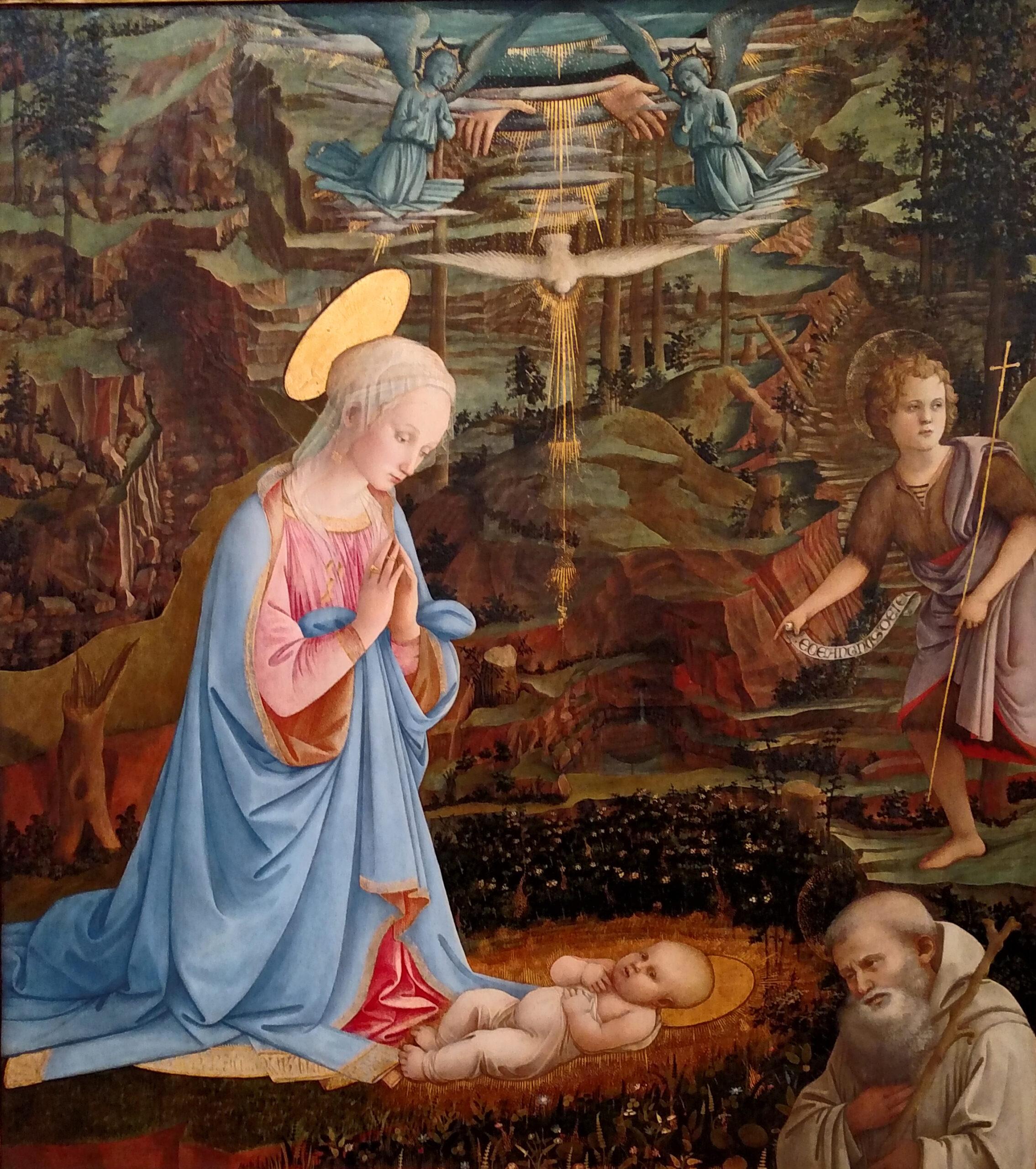
    As I marched through the Uffizi Gallery, I could see how, as the Renaissance progressed, artists made the figures in their paintings less like icons and more like human beings.  Suddenly, I found myself looking at a painting of a very real, very young woman. She was kneeling in a dark wilderness. Her hair and face were radiant. I first thought this was an anachronism, like the blue-eyed, blond Jesus of a certain era of popular art. Then I saw what better observers have seen. She was suffused with light. We say every Sunday, “God from God, Light from light…” The girl had been given the same gift of light — light nourishing, pure, powerful. Even her blue robe was richer and brighter than any earthly fiber.

    The 1463 painting is “The Adoration of the Christ Child” by Filippo Lippi. In it, Mary’s delicate features mixed tenderness, awe, and astonishment. Her hands are clasped together gently in prayer; her slender fingers seem to be on the verge of trembling. She is looking down at her newborn boy, lying exposed on the ground. I recalled the shock I felt 38 years ago when I first realized my wife and I were in charge of an utterly helpless child who was more precious than anything we had ever imagined. In the painting, moreover, there is no stable, no St. Joseph, no Magi, no shepherds. There are only two other people pictured: St. John the Baptist, in the form of a young boy, and the founder of the monastery for which the painting was commissioned. 

    RELATED: Art and Adoration: How Artwork Opens My Eyes to God’s Handiwork

    Mary’s look is full of awe and love, but awe can bring bewilderment, and love always brings vulnerability. I imagine from her expression that she sensed, even before a wise old man told her, that “a sword will pierce even your own soul.” Her faith was not daunted, but neither was her pity lessened. She had been given the greatest gift, and the deepest anguish. At the same time, the painting reminds us that, even as she kneels in this dark wilderness, she is accompanied by the greatest of powers. At the top is the Father, indicated by a pair of hands. The dove of the Holy Spirit dives down, blazing with the Holy Spirit. She will never be alone, even when she seems to be. 

    Seeing the painting in Florence, Italy on a trip last summer, I was reminded that art can be as powerful as words in conveying truth. The painting underlines the way God’s work has made us more deeply and truly human. Before Lippi and his peers came on the stage, art was about gods and goddesses, kings and queens. Then, artists began to see the glory in ordinary people. This reflects how the Lord has selected otherwise ordinary people, such as Abraham and Ruth, to change the world. The summit of this was his anointing of a young girl in an obscure Middle Eastern land to be the Queen of the Universe.

    RELATED: What Is the Solemnity of Mary?

    It’s a reminder that the Blessed Virgin Mary was a girl who had been visited by a messenger from God with news that 2,000 years later still baffles many. Pregnant, she traveled with her husband in a land troubled by foreign occupation and simmering unrest to give birth far away from her family. We rightly are in awe of the Queen of Heaven! Let us also take heart from the brave, young woman in this painting, and remember that great things can also come to ordinary people like us, with all our cares, troubles, and needs.

    Finally, let us remember that inspiration can strike even when we least expect it. You might think that being in one of the world’s great art museums would have primed me to get the most out of paintings. However, we had spent the previous week of our trip in Rome, where we trudged past miles of paintings and sculptures. Then the Uffizi welcomed us with art on every wall and the ceiling too. As guidebooks and more experienced travelers had warned, I had reached a point where I didn’t think I could absorb anything new about sacred art. I was half-wishing I could see one of those paintings of dogs playing poker, just to rest my overloaded brain.

    RELATED: Using Art as a Path to the Holy Spirit

    Promptly, I was confronted with Lippi’s painting of Mary glowing and grieving, foreseeing joy and wonder, yet accepting also toil and sorrow. It’s a reminder that experiences of the sacred can break through anything that weighs you down, from boredom to despair. And, of course, this need not happen in a world-famous museum. One day, after returning home, I took a walk around a lake near my house. The day was so gorgeous and the park so quiet that for once I turned off my phone and just welcomed the quiet. I looked at the blue sky and the sunlight on the leaves. It was my final realization: There are sacred masterpieces all around us.
  • 5 Unique Nativity Characters From Around the World

    5 Unique Nativity Characters From Around the World

    We all know who was at the Nativity.

    Actually, let me correct that: We all know who we agree was at the Nativity. The Gospel accounts differ (Mark and John don’t mention it at all), but there are characters who traditionally appear in Nativity scenes at our churches and homes. There’s the Holy Family, obviously. Shepherds, sheep, a donkey, an ox. At least one angel. The Three Magi might be there, but they also might not appear until the Epiphany. (Of course, there’s also some contention about whether or not Jesus should appear in the manger before December 25, but let’s not get into that.) 

    Each of these characters tells us something about the meaning of Christmas and the impact of the Incarnation on human history. That’s why I find it fascinating that other cultures around the world sometimes choose to add new characters to this familiar scene. Just like the figures we’re used to seeing, these characters reveal important insights about the Nativity. 

    RELATED: The Netflix Children’s Movie That Draws Us in to Christ’s Nativity

    Learning about them has introduced me to new ways of contemplating the Christmas story, and deepened my appreciation for the global diversity of our faith. I would like to share some of them with you here, both to invite you to a new perspective and, perhaps, to inspire you to make some additions to your own Nativity set.

    The pastori (Italy): Naples, Italy, is famous for its detailed and populous Nativities, which place the birth of Christ among scenes from 18th century Italian country life. These scenes are filled with pastori (literally, “shepherds”), figures representing ordinary people: bakers, farmers, merchants, fishermen, barmaids, musicians, and others. Sometimes they are satirical or humorous, for instance, the dozing shepherd Benino, who misses the angel’s summons. But in all cases, they remind us that the sacred exists side-by-side with the mundane and that Christ was born among everyday, working people.

    The devil (Mexico): Probably the character you’d least expect to see at the Nativity! In many Mexican Nativities, the devil appears, often carrying an object of temptation (a bag of money, or a bottle of alcohol). Like a skull in a Renaissance painting, his presence reminds us that evil exists even alongside the joy of the Nativity. But it also calls to mind Christ’s ultimate victory over sin and death. Sometimes the devil appears as an old man, standing by St. Joseph; in those cases, he is the tempter, trying to sow doubts about Jesus’ virgin birth and convince Joseph to abandon Mary. Joseph, of course, gives him the cold shoulder.

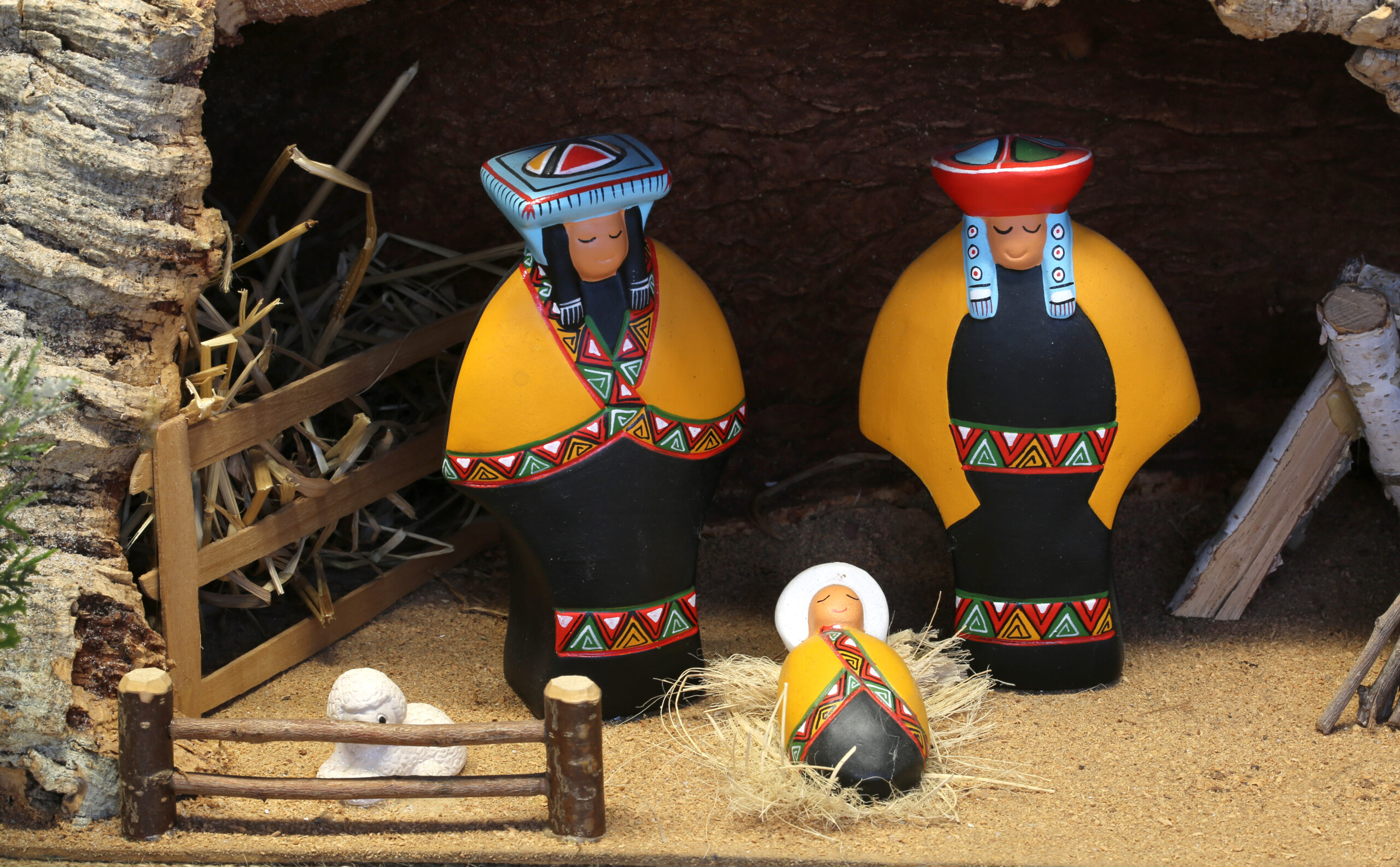
    Local wildlife (Worldwide): Different cultures will sometimes put their stamp on the Nativity by including local animals alongside (or in place of) the traditional donkey, ox, and sheep. There are indigenous North American Nativities featuring foxes, moose, and beavers, Southeast Asian Nativities with water buffalo and elephants, and African Nativities with zebras and lions (like this example, which also imagines the human characters wearing traditional local clothing). Like the animals we are used to seeing, these regional additions remind us of the humility of Christ’s birth and God’s love for all of creation. 

    RELATED: Recast Your Christmas Story

    The Caganer (Spain): In Catalan Nativities, you may notice a man clad in a white shirt and a floppy red peasant cap. Although, you’ll likely notice him because of what he’s doing: squatting and defecating on the ground. This is El Caganer (literally: “The Pooper”), a humorous figure popular in Spain and some other regions of Europe. He serves the same purpose as the Neapolitan pastori, illustrating how the Incarnation brings together the sacred and the profane. Sometimes our vision of Christmas becomes too sanitized, with its glowing beatific baby Jesus. The Caganer reminds us that Christ came into a world of dirt, mucus, mold, sweat, and, yes, poop. That same, messy world is where we still meet him today.

    Kneeling Santa (USA): In America, Christmas is often caught between the secular and the sacred, and no figure better embodies that dichotomy than the Kneeling Santa. These figures depict Santa Claus genuflecting before the manger, adoring the Christ Child. The website of the Catholic Company, which sells a variety of Kneeling Santa items, describes him as a “combination of American culture and tradition without sacrificing deeper religious reverence.” While it can seem a little goofy, there’s also something nice about this attempt at compromise in the Christmas culture war: respecting local traditions while still testifying to the spiritual heart of the season.

    What I appreciate most about all of these characters is that they help me see the Nativity from a new perspective. They remind me that, even in a story as ancient and familiar as the Incarnation, there is always more to discover.

  • ‘Inside Out 2’ and the Journey of Self-Acceptance and Reconciliation

    ‘Inside Out 2’ and the Journey of Self-Acceptance and Reconciliation

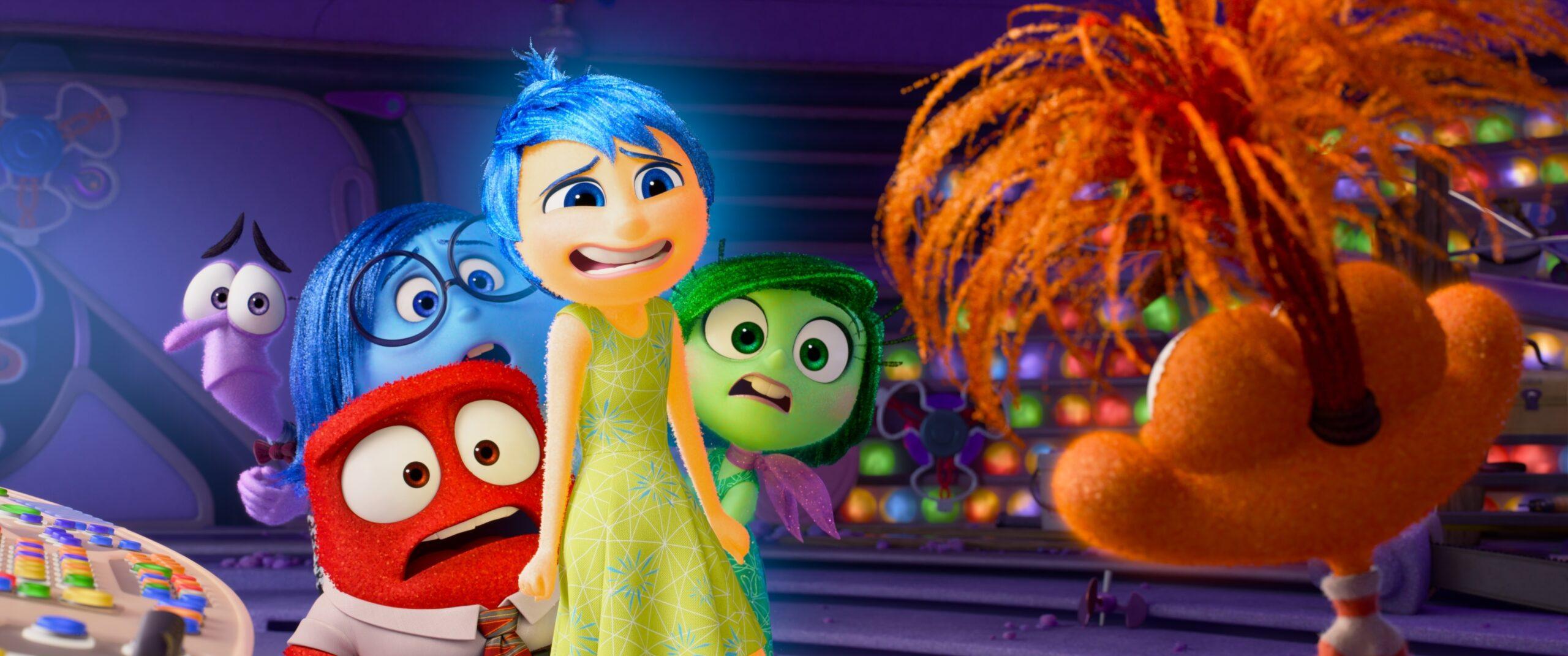
    “Inside Out 2” (Courtesy of Walt Disney Pictures)

    As a rising kindergartener, my 5-year-old feels our summer schedule should encompass all things big-kid-related. One of her ideas for a rite of passage: movie theaters. I was hesitant at first, but after she saw a trailer for “Inside Out 2,” there was no stopping the flood of requests to see the new movie. 

    We attended a sensory-friendly screening where the lights are merely dimmed and the volume plays a tad softer. Overall, it was a success. My 2-and-a-half-year-old lost interest midway through, but discovered the joys of popcorn and was placated, while my big kid was utterly mesmerized.

    RELATED: A Good Dog: How ‘Bluey’ Inspires Goodness for the Whole Family

    For those unfamiliar with the “Inside Out” movies, the plots center on the Emotions that reside in our heads: Joy, Sadness, Fear, Anger, and Envy. These Emotions control the console of our feelings while creating and storing memories. The mind in which most of the plot’s action takes place belongs to Riley, a lovable young lady who is 11 in the first movie and 13 in the sequel. The first film is a favorite at our house and focuses on the important roles of both Joy and Sadness in our life and growth.

    The writers of Pixar’s “Inside Out 2” succeeded again in crafting a film that not only appeals to youngsters, but also speaks with a nuanced wisdom to tweens, teens, and adults. While the new emotions in Riley’s head, led by Anxiety, have received a great deal of attention, an aspect of the movie that fascinated me was the Belief System. 

    The Belief System is a curated set of memories that create Riley’s continually forming Sense of Self. At the start of “Inside Out 2,” the audience witnesses Joy carefully choosing good memories to add to Riley’s Belief System; thereby forming a string of light that fuels and develops the Sense of Self. Joy also creates a launching device for all painful or embarrassing memories; they are sent flying to the back of the mind. The emotions express pride in Riley’s Sense of Self as it intones beliefs like “I am a good person” and “I am a good friend.” Then, puberty begins and Anxiety usurps the console of Emotions. 

    Anxiety destroys Riley’s Sense of Self and begins to form a new Sense of Self based on anxious beliefs; this new Belief System crackles and pops while shining a scalding orange. Riley acts out of character, ignoring her friends in favor of popularity, lying for clout, and appearing altogether lost internally. The Emotions are faced with a tough choice as they struggle to fight Anxiety and restore Riley’s Sense of Self: Do they release the bad memories to influence the Belief System in order to incorporate the good ones as well?

    RELATED: Spiritual Streaming: 5 Faith-Themed Films for Your Next Movie Night

    The Emotions realize that clinging to the Belief that we are all good, without the nuance of our flaws, isn’t a realistic or healthy way to live. The floodgate of memories is unleashed and Riley copes with the influx of new threads to her Belief System: She is a good person, but she makes mistakes and bad choices. Riley doesn’t accept her faults, but instead acknowledges them, and attempts to repair the damage she’s done. She finds a way to grow and move forward with a more holistic view of who she is.

    As I sat in the theater with my daughters cuddled on either side of me, I couldn’t help but think about how we as Christians take this idea of acknowledging our faults to an even more fulfilling conclusion.

    Rather than being left with the emotions in our head waging war against our poor choices and their effects on our Sense of Self, we are offered a beautiful example of love and forgiveness through God’s offer of Reconciliation. When we bring our whole selves, mistakes and all, vulnerably before God, He offers us grace. We are reminded in Romans 5:8 that, “God proves his love for us in that while we were still sinners Christ died for us.” Our faults do not have to become entrenched in our Sense of Self; we recognize our sinfulness and we bring it to him who loves us nonetheless. 

    When we acknowledge before God our failings, mistakes, and sins, we move into a relationship of love; for as C.S. Lewis writes “to love at all is to be vulnerable.” This vulnerability and willingness to confess our sins before God allows us to accept his love and grace. As Riley has to come to understand her Sense of Self as a fluctuating core, capable of good and bad choices, we too have the chance to humbly admit our failures and embrace our deep need for God.

    LISTEN: Co-Creator of ‘Blue’s Clues’ and ‘Daniel Tiger’s Neighborhood’ Offers Life Lessons for All Ages

    My 5-year-old tends to be hard on herself when she makes a mistake – a reaction I understand all too well. We often talk through how a poor choice does not indicate that you are a mean or bad person; in fact, feeling regret and disappointment in your actions shows that you know what is right, good, and true. The key is to make amends for our bad decisions. I appreciated how the movie showed Riley’s realization of her unkind behavior towards her friends, and her willingness to apologize and patiently build back their trust. When Riley makes amends with the friends whom she has hurt, she has to admit that she was wrong, but she moves towards a wholeness within herself.

    Reconciliation restores not only our relationship with God, but also our relationship with ourselves. Acknowledging our need for God’s grace creates an opportunity for our Sense of Self to broaden from internal musings to external appreciation for what God tells us about ourselves. He reminds us that we are fearfully and wonderfully made (Psalm 139), we are precious, honored, (Isaiah 43), chosen (Ephesians 1), created in God’s own image (Genesis 1:27), forgiven (1 John 1:9), and loved (Romans 8:38). When our Sense of Self wavers, as “Inside Out 2” reminds us it is prone to do, we can lean back on the truth of what God tells us about ourselves.

    I think the concept that our feelings about ourselves will change over time is an important one for both young and mature audiences. There are days of soaring pride and dark disappointment. However, when our Sense of Self relies not on our own fluctuating emotions, but on the steady promises of God, we can rest in the peace of his gaze. This is my hope and prayer for my girls, that movies like “Inside Out 2” remind them that everyone struggles with identity and belonging, yet their worth is not measured by feelings or validation from their peers. Their significance and Sense of Self is guaranteed and beautifully crafted by a God who loves them and welcomes them with open arms.

  • A Good Dog: How ‘Bluey’ Inspires Goodness for the Whole Family

    A Good Dog: How ‘Bluey’ Inspires Goodness for the Whole Family

    Image Courtesy of Disney+

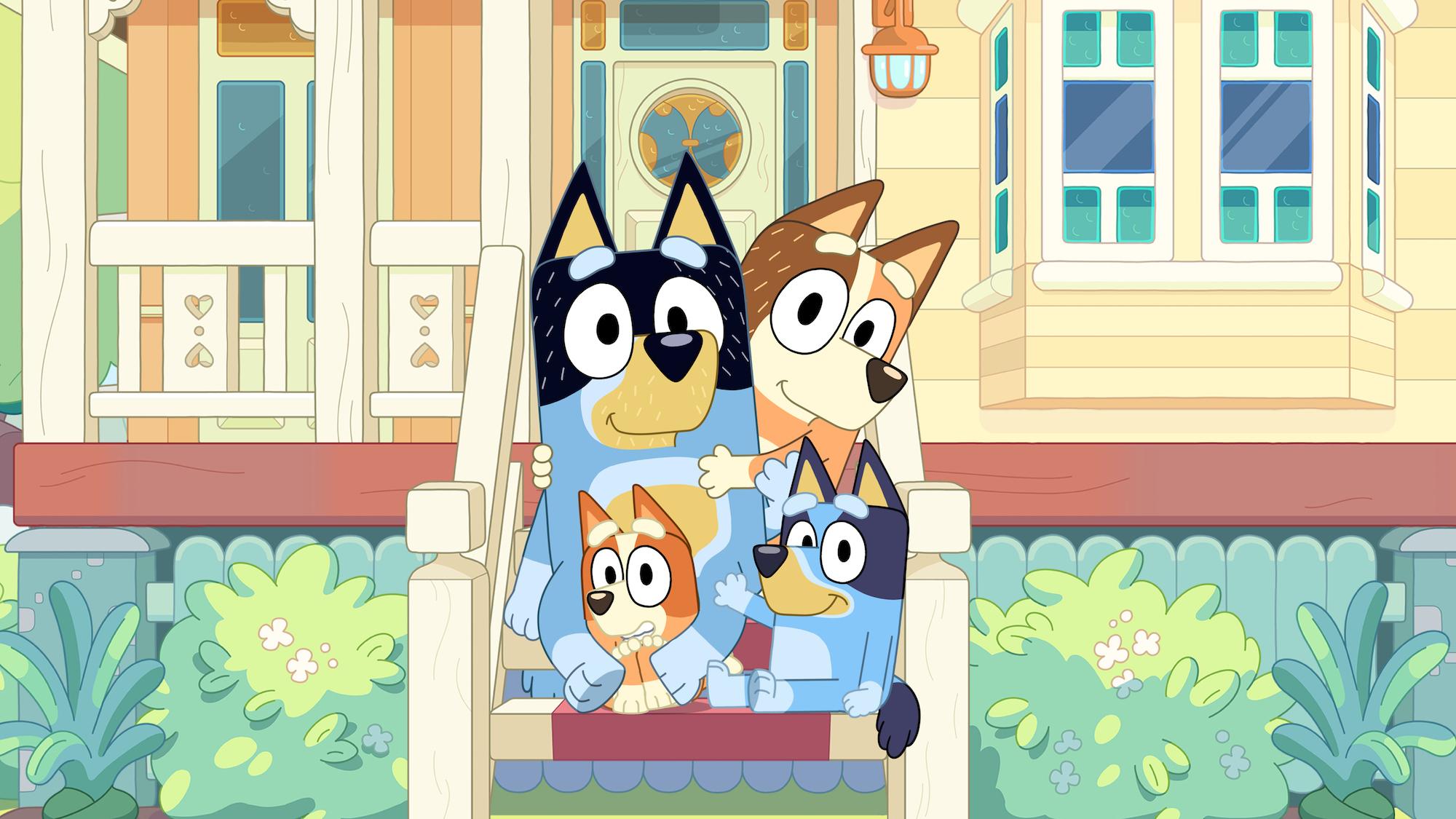
    A red dog gently bunts a cricket ball to his younger sister; she triumphantly catches it and immediately runs to him to celebrate her big play. He proclaims, “What a catch!” while affectionately ruffling her hair as she giggles with glee. Looking on, a father states to his daughter, “That’s what cricket is all about, kid.” I find myself awash in tears while watching this tender and supportive interaction play out on the screen with my young daughters. 

    What is it about the Australian kids’ cartoon “Bluey” that tugs my heartstrings? Parents and children alike feel drawn to and inspired by the show. Animated dogs are far from a new genre, and yet “Bluey” possesses a fresh, unique sense of childhood’s wonder and joy. “Bluey” follows the adventures of an anthropomorphic family of Blue Heelers living in Australia. Bluey is a spunky 6-year-old pup, and her 4-year-old sister, Bingo, happily takes the role of her imaginative playmate. Often joining in their elaborate games, their parents create a loving, family-oriented atmosphere. We began watching “Bluey” after our dear friends mentioned its charm and it became a fast favorite in our home. Wading through media meant for children is a daunting task as a parent, but “Bluey” provides a welcoming, safe space to which I find myself continually returning. There’s silliness, foibles, and even the sprinkling of light potty humor; and through it all “Bluey” captures the essence of goodness and family life remarkably well. 

    RELATED: 3 Ways God Reveals Himself to Me Through My Young Children  

    “Bluey” depicts the mundane, everyday interactions between a family and their friends. “Bluey’s” narratives do not focus on big sweeping storylines but rather on the sacred space of family life. Holding relationships at its center, the pursuit of goodness and harmony is evident in the depictions of both the adults and children in the series. The stories weave a tapestry of virtue I see reflected in my own family. 

    Giggles cascade across the room as my daughters carefully guide a ladybug to her newly constructed magic carpet. For an unexplained reason, our home has experienced an influx of ladybug visitors and, inspired by a particularly charming episode of “Bluey” called “Slide,” no bug shall be harmed in our home. In “Slide,” Bluey’s sister Bingo and her best friend Lila develop a system for ensuring that when they careen down the water slide, no bugs are squashed. My sweet, caring girls took this message to heart, and we are now the protectors and playmates of all insects. Small acts of kindness for the tiniest of friends, but kindness nonetheless. 

    LISTEN: Tackling Kids’ Tough Questions of Faith

    Goodness, sometimes defined as virtue in action, radiates throughout “Bluey’s” family as they navigate forming relationships that bless not only one another but also their neighbors, friends, and family. Theologian Stanley Hauerwas describes the development of virtue as narratively formed through stories. I see this development firsthand and subsequently try to be mindful as I curate the stories my daughters watch and read. Yet, I have discovered their characters are not the only ones formed through these narratives.  

    Kindness and goodness are depicted not only in the main characters, but also throughout their community; emphasizing our need to both give and receive support. In an episode called “Baby Race,” Bluey’s mom, Chilli, recollects her struggles with comparison early in motherhood. Her anxieties over Bluey’s development are eased when she is visited by a more experienced mom friend who gently informs her, “You’re doing great.” This has become a reminder frequently quoted by my dear friends and me when one of us is feeling the weight of motherhood. Never underestimate the wisdom of a pink poodle and the ripple effect of support. 

    RELATED: Children and the Church: Recognizing the Welcome

    The episode referenced at the beginning of this article, “Cricket,” chronicles the journey of Rusty, a friend of Bluey’s, to become a skilled cricket player. Rusty’s dad is deployed overseas; yet through his letters, he imparts advice on facing fast pitches by writing, “As you grow up, you’ll face harder things than a cricket ball… Just keep your eye on the ball and take care of your little sister for me.” This prompts Rusty to bunt the ball to his sister and celebrate her achievement rather than reveling in his own skill. My older daughter quickly caught onto the thread most pertinent to her life and cooed “Aw! He shared with his little sister.” And that’s the beauty of “Bluey;” she saw a sweet story about sharing with your siblings, while I watched a heartwarming tale about a young dog growing in character and skill, and we both loved every minute. 

    The stories that we watch and read with our children form both parent and child. They offer verbiage to discuss tricky topics, provide games and ideas for imaginative play, and gently teach us all the virtue of goodness. By creating a program that highlights the beauty of the mundane and centers on creating healthy relationships with others, “Bluey” has inspired and captivated audiences. All ages can enjoy a show that depicts how kids and parents can both grow in goodness within their everyday lives. As I read, watch, and listen to various stories with my children, I am learning to embrace each narrative that shapes my character, and that of my children, for good – even those starring a small blue dog. 

  • More Than a Story: How ‘Star Wars’ Gives Voice to My Spiritual Journey

    More Than a Story: How ‘Star Wars’ Gives Voice to My Spiritual Journey

    Space backgroundPeople like to tell me that they haven’t seen “Star Wars.” 

    It started out as a joke with friends: “Eric loves ‘Star Wars!’ This will absolutely shock him. He won’t be able to believe it.” 

    But over time, it’s become something else. Usually, after I give a talk or a workshop—one thoroughly peppered with “Star Wars” references and jokes—a person will come up to me, sort of sheepish. “I really liked your talk,” they’ll say before pivoting to confession mode. “But Eric, I’m really sorry to say this, but I haven’t seen ‘Star Wars’…”

    I mock shock, anger even, but then we laugh. It’s fine, of course—the franchise isn’t for everyone. We all have stories we like and some that just don’t resonate. I haven’t yet refused a friendship over the mere sin of not having seen “Star Wars.”

    But I have been thinking more and more about this transition in the way people talk to me about that galaxy far, far away. Because I think they see a change in me: This isn’t just a story I enjoy; it means something. 

    RELATED: Faith and the Force: ‘Ahsoka’ and the Power of Relationship

    Sure, it holds a special place in my own life story: My dad popped those VHS tapes in the VCR when I was little, ensuring I had something super cool to talk to my friends about in school for the rest of the week–and that I was ready for the prequel trilogy to premiere only a few years later. 

    But “Star Wars” means more to me than that. It gives voice to my own spiritual journey.

    I’m not talking about drawing parallels between our faith and “Star Wars”: “Anakin as the Chosen One is like Jesus as our Savior!” Or, “Jesuits are like Jedi because they both practice a form of indifference!” Parallels are helpful, sure; they help us see spiritual stakes in otherwise secular stories. But we remain passive observers when we simply look for parallels; we don’t engage the spiritual truths they point to. 

    What moves me about “Star Wars” is that the story gives me a new language with which to give voice to my spiritual journey. For example, the Dark Side of the Force feeds on fear; am I allowing fear to govern my decisions in relationships, at work, or in the way I view myself? If I am, then I may be unknowingly pursuing a dark path—and my own faith tradition has plenty to say about that! 

    What about redemption? Sure, we love to see Luke cling so fervently to the belief that his father might still be saved, and that Anakin still lives somewhere in Darth Vader. But do I act as confidently in this galaxy oh-so-near? Do I display those spiritual virtues that Luke does on the second Death Star: nonviolence, trust, surrender, and compassion? And if not, is there a relationship in my life that could benefit from such a disposition?

    I enter into the story; I engage the characters. I try some of those lofty lessons on for size. And I do so in a way that remembers St. Ignatius, the founder of the Jesuits—honoring the spiritual legacy of the Basque soldier-turned-saint who realized that God was to be found in all things, through our senses and our desires. Ignatius invites us to engage Scripture this way, by entering the story. But what if we did the same with stories of pop culture that mean so much to us?

    Because I think in the end, that’s the point: God is present in these supposedly godless stories. God desires to speak to us through the very myths and legends that move us, that inspire us, that stoke our imagination. Are these holy texts? Not in any way a biblical scholar would recognize, but these are stories that speak to something deep within ourselves.

    And the reason I spend so much time thinking about them—the reason I wrote a whole book, “My Life with the Jedi: The Spirituality of Star Wars”—is because I think that while these stories speak to us, we can use that same language to speak to others. To discover spiritual truths within ourselves. 

    We don’t actually have some mystical energy force to call upon to levitate rocks or pull X-Wings from mucky swamps. But we do experience the tug of the dark side and the light each and every day. We wrestle with decisions that set our lives on trajectories that bring us closer to the light or further from it. 

    RELATED: Curate Your Own Lenten Movie Marathon

    Painting this very relatable spiritual struggle in the hues of laser swords and warrior monks simply brings into clarity the weight of otherwise mundane decisions. Spiritual decisions. Do I move closer to the light? Or, do I find myself in darkness and in need of redemption? The fate of the galaxy might not rest on my meager decision-making. But then again, maybe it does. 

    Star Wars. Ignatian spirituality. Pop culture. Our faith lives. These aren’t separate things. In fact, one can feed the other, all while elevating our ability to see new. possibilities in a world so desperately in need of them. 

    Maybe that’s why people have started apologizing to me for not seeing “Star Wars.” People feel as though they have to apologize for not being fully bought in. Not because “Star Wars” is my religion but because it clearly gives me a new language with which to articulate very old spiritual truths. And that matters—to me, to you, to our world. 

    But here’s what I say in response: Don’t apologize for not seeing “Star Wars.” Find the story or stories that inspire you. And see what God might be trying to say to you through them. 

    Learn more about and get your copy of “My Life with the Jedi: The Spirituality of Star Wars” from Loyola Press today!