Tag: art

  • The Radiance of Mary: How Lippi’s ‘Adoration’ Deepened My Faith

    The Radiance of Mary: How Lippi’s ‘Adoration’ Deepened My Faith

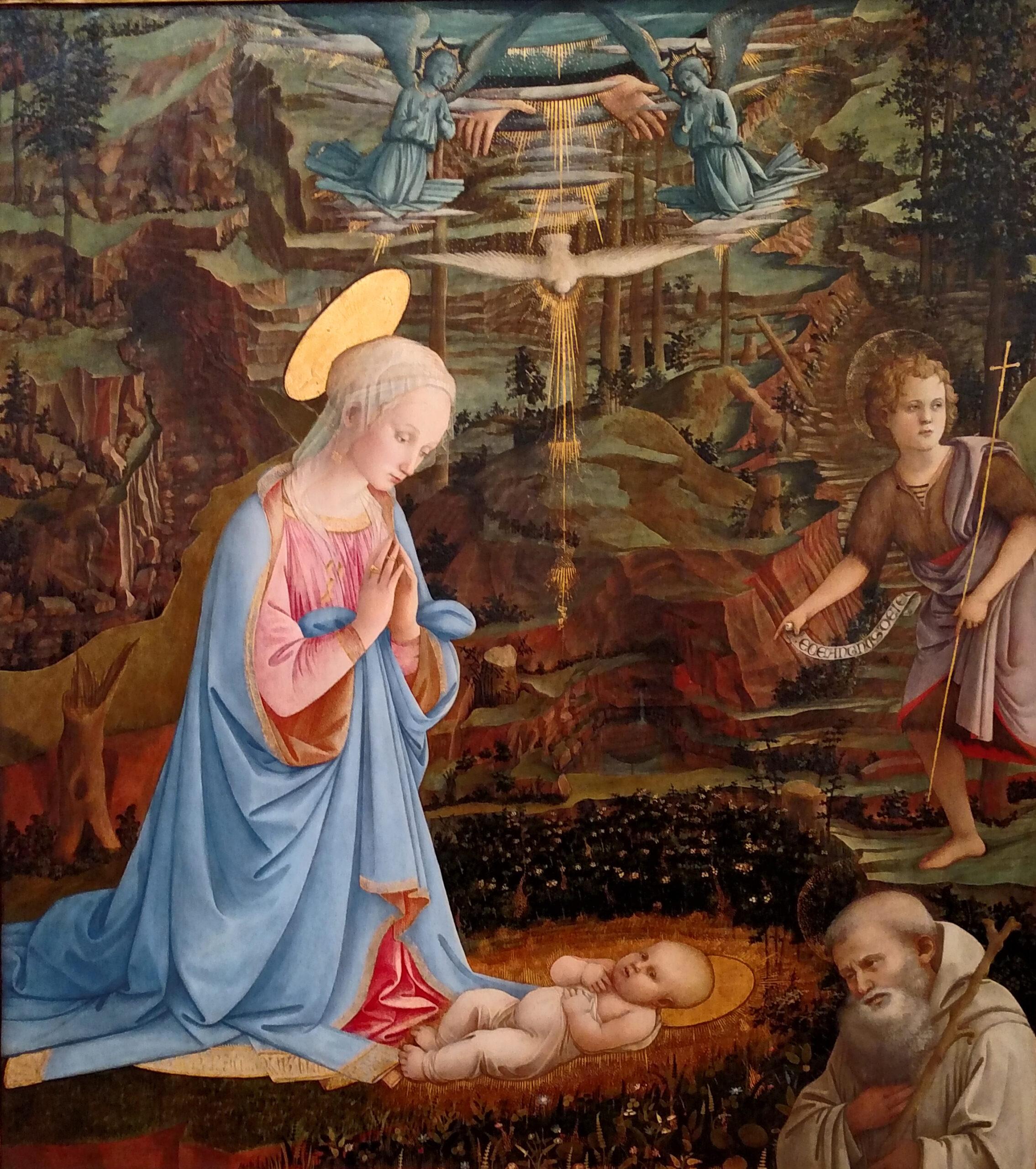
    As I marched through the Uffizi Gallery, I could see how, as the Renaissance progressed, artists made the figures in their paintings less like icons and more like human beings.  Suddenly, I found myself looking at a painting of a very real, very young woman. She was kneeling in a dark wilderness. Her hair and face were radiant. I first thought this was an anachronism, like the blue-eyed, blond Jesus of a certain era of popular art. Then I saw what better observers have seen. She was suffused with light. We say every Sunday, “God from God, Light from light…” The girl had been given the same gift of light — light nourishing, pure, powerful. Even her blue robe was richer and brighter than any earthly fiber.

    The 1463 painting is “The Adoration of the Christ Child” by Filippo Lippi. In it, Mary’s delicate features mixed tenderness, awe, and astonishment. Her hands are clasped together gently in prayer; her slender fingers seem to be on the verge of trembling. She is looking down at her newborn boy, lying exposed on the ground. I recalled the shock I felt 38 years ago when I first realized my wife and I were in charge of an utterly helpless child who was more precious than anything we had ever imagined. In the painting, moreover, there is no stable, no St. Joseph, no Magi, no shepherds. There are only two other people pictured: St. John the Baptist, in the form of a young boy, and the founder of the monastery for which the painting was commissioned. 

    RELATED: Art and Adoration: How Artwork Opens My Eyes to God’s Handiwork

    Mary’s look is full of awe and love, but awe can bring bewilderment, and love always brings vulnerability. I imagine from her expression that she sensed, even before a wise old man told her, that “a sword will pierce even your own soul.” Her faith was not daunted, but neither was her pity lessened. She had been given the greatest gift, and the deepest anguish. At the same time, the painting reminds us that, even as she kneels in this dark wilderness, she is accompanied by the greatest of powers. At the top is the Father, indicated by a pair of hands. The dove of the Holy Spirit dives down, blazing with the Holy Spirit. She will never be alone, even when she seems to be. 

    Seeing the painting in Florence, Italy on a trip last summer, I was reminded that art can be as powerful as words in conveying truth. The painting underlines the way God’s work has made us more deeply and truly human. Before Lippi and his peers came on the stage, art was about gods and goddesses, kings and queens. Then, artists began to see the glory in ordinary people. This reflects how the Lord has selected otherwise ordinary people, such as Abraham and Ruth, to change the world. The summit of this was his anointing of a young girl in an obscure Middle Eastern land to be the Queen of the Universe.

    RELATED: What Is the Solemnity of Mary?

    It’s a reminder that the Blessed Virgin Mary was a girl who had been visited by a messenger from God with news that 2,000 years later still baffles many. Pregnant, she traveled with her husband in a land troubled by foreign occupation and simmering unrest to give birth far away from her family. We rightly are in awe of the Queen of Heaven! Let us also take heart from the brave, young woman in this painting, and remember that great things can also come to ordinary people like us, with all our cares, troubles, and needs.

    Finally, let us remember that inspiration can strike even when we least expect it. You might think that being in one of the world’s great art museums would have primed me to get the most out of paintings. However, we had spent the previous week of our trip in Rome, where we trudged past miles of paintings and sculptures. Then the Uffizi welcomed us with art on every wall and the ceiling too. As guidebooks and more experienced travelers had warned, I had reached a point where I didn’t think I could absorb anything new about sacred art. I was half-wishing I could see one of those paintings of dogs playing poker, just to rest my overloaded brain.

    RELATED: Using Art as a Path to the Holy Spirit

    Promptly, I was confronted with Lippi’s painting of Mary glowing and grieving, foreseeing joy and wonder, yet accepting also toil and sorrow. It’s a reminder that experiences of the sacred can break through anything that weighs you down, from boredom to despair. And, of course, this need not happen in a world-famous museum. One day, after returning home, I took a walk around a lake near my house. The day was so gorgeous and the park so quiet that for once I turned off my phone and just welcomed the quiet. I looked at the blue sky and the sunlight on the leaves. It was my final realization: There are sacred masterpieces all around us.
  • Visual Devotions: Crafting Meaningful Moments in Advent

    Visual Devotions: Crafting Meaningful Moments in Advent

    As a child, I always looked forward to the Advent season, those four weeks of anticipation leading up to Christmas. However, it wasn’t until my late 20s that I discovered the profound impact of incorporating art into my spiritual practice. 

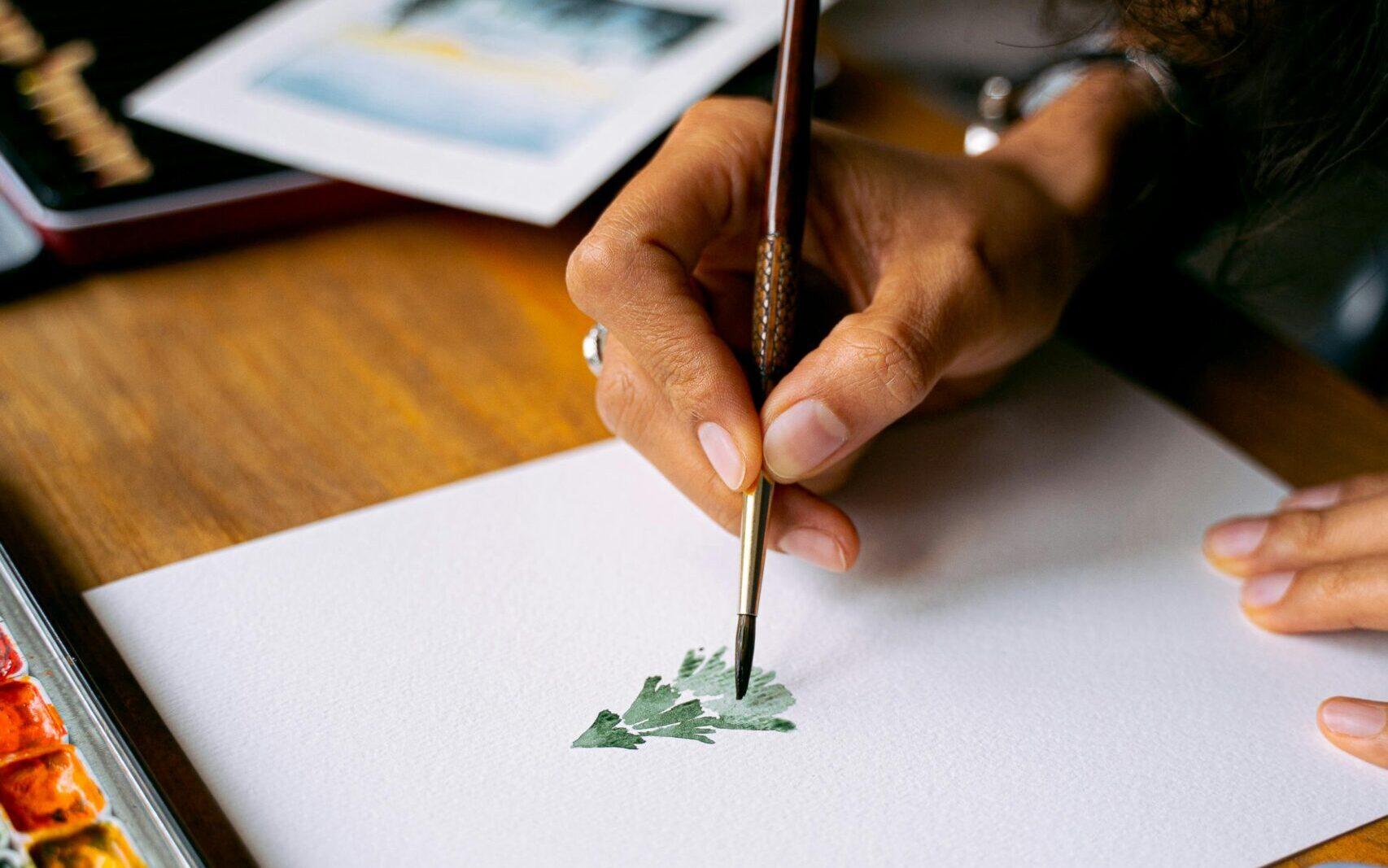
    My journey with Advent art began unexpectedly when a friend invited me to an “Advent Art Night” at her church. Skeptical at first, I found myself deeply moved by the experience of creating a simple painting of an Advent wreath. The meditative act of applying brushstrokes while reflecting on the theme of hope showed me the value of creating a tangible piece of my faith through art. 

    RELATED: Praying With Your Eyes: How to Get Started With Visio Divina

    Since then, I’ve made it a tradition to engage in at least one Advent art project each year, finding that the creative process helps me connect more deeply with the season’s themes and prepare my heart for Christmas in a unique and meaningful way.

    By incorporating visual art into Advent devotions, individuals and communities can deepen their understanding of the season’s themes and enhance their overall experience. Here are some examples of project ideas themed around each week of the season.

    Hope

    1. Advent wreath painting: Create a watercolor or acrylic painting of an Advent wreath, focusing on the first candle representing hope. Use warm colors to symbolize the light of hope in the darkness. Check out these Advent wreath photos for inspiration.
    2. Hope jar: Decorate a glass jar and fill it with small slips of paper containing Bible verses about hope. Draw one each day for reflection. Check out this video for more ideas.
    3. Prophetic landscape: Paint or draw a landscape inspired by Isaiah’s prophecies of the Messiah’s coming, incorporating symbols of hope and renewal. Check out these ideas for this project.

    Peace

    1. Peace dove collage: Create a collage of a dove using torn paper from magazines or newspapers. Include words and phrases related to peace found in Advent Scriptures. Searching for these phrases will give you time to reflect on the overall Scripture and help you meditate on these topics!
    2. Jesse Tree with peaceful imagery: Adapt the traditional Jesse Tree project by focusing on images and symbols of peace. Use prints or paintings of biblical scenes, such as the Annunciation, the Nativity, or the Prodigal Son’s return, and add quotes or verses related to peace.
    3. Paper plate peace doves: Create paper plate doves with outstretched wings, symbolizing peace and hope. Hang the doves in a window or on a wall as a reminder of peace. 

    RELATED: How Artwork Opens My Eyes to God’s Handiwork 

    Joy

    1. Joyful nativity scene: Craft a mixed-media nativity scene using materials like fabric, paper, and found objects. Focus on expressing the joy of Christ’s birth through vibrant colors and dynamic compositions.
    2. Joy explosion: Create an abstract painting or drawing that visually represents an “explosion” of joy, using bright colors and energetic brush strokes or lines.
    3. Joyful song lyrics art: Choose lyrics from your favorite Christmas carol about joy and create typographic art featuring those words in creative fonts and colors.

    Love

    1. Heart-shaped Advent calendar: Design a heart-shaped Advent calendar using cardboard or foam board. Create 24 small pockets or doors, each containing a Scripture verse about God’s love or a small act of kindness to perform.
    2. Love mosaic: Create a mosaic using small pieces of colored paper, glass, or tile to form an image symbolizing God’s love, such as a heart or a cross.
    3. Love letter art: Write letters to friends or family members expressing love and gratitude, then decorate the envelopes with artistic designs before mailing them out.

    RELATED: Strengthening My Faith Through Creativity

    Advent Devotions

    To fully integrate art into your Advent experience, consider these approaches:

    1. Daily reflection: Spend time creating or reflecting on a piece of Advent-themed art. Use this time for prayer and meditation on the day’s Scriptures. Click for more Advent Devotional Resources.
    2. Family art time: Set aside time each week for family members to create Advent art together. Discuss the themes and scriptures as you work. Here are some additional ideas for Catholic Advent Crafts.
    3. Community art project: Organize a community-wide Advent project, like a collaborative mural or installation piece that grows throughout the season. Check out these resources to get you started.
    4. Art-based worship: Incorporate visual art into church services or small group gatherings. Use projected images, live art demonstrations, or displays of congregant-created artwork to enhance worship experiences. The Art of Advent has great seasonal prints and devotions for inspiration.

    Creating visual devotions for Advent can significantly enrich the season’s spiritual experience. By engaging in art projects that reflect Advent themes, individuals and communities can deepen their connection to the story of Christ’s coming and prepare their hearts for the celebration of Christmas. As you engage with Advent art, remember that the goal is not perfection but rather a heartfelt expression of faith and anticipation of the coming of Christ.

  • Beyond the Pulpit: Unconventional Ways to Serve Your Church

    Beyond the Pulpit: Unconventional Ways to Serve Your Church

    Photo by Kelly Eliason on UnSplash

    As someone who serves on the “media ministry” team at my church, I’ve gained firsthand experience in the power of digital evangelism. Our team manages sound, lighting, and visual presentations during services, but more importantly, we broadcast sermons online to reach those unable to attend in person. It was only when I learned about homebound members, nursing home residents, and far-flung congregants tuning in that I truly grasped the importance of this ministry in spreading the Gospel and connecting with people.

    RELATED: Eccentric Evangelism: How I Use My Quirks to Spread the Gospel

    The evolution of church service roles reflects the changing landscape of how faith communities engage with their members and reach new audiences. While vocations to religious life remain vital, today’s Church also needs laypeople with diverse skill sets to minister effectively in our digital age.

    There are countless unexpected and creative ways individuals can contribute to their faith communities. Here are some lesser-known vocations and how they’re making a significant impact.

    1. Digital evangelists

    In our increasingly online world, the Church needs tech-savvy individuals to spread its message. Digital evangelists use social media, podcasting, and video production to reach new audiences. For example, Father Mike Schmitz’s “Bible in a Year” podcast became the #1 podcast in the US on Apple’s platform in 2021, demonstrating the power of digital ministry. Those interested in getting involved in digital evangelization could pitch an article, prayer, or podcast to a religious publication, or start a social media channel with a creative take on sharing the faith. 

    2. Environmental stewards

    Pope Francis’s encyclical “Laudato Si’” highlighted the importance of caring for our common home. This has led to a rise in faith-based environmental initiatives. Some churches now employ sustainability coordinators to reduce their carbon footprint and educate congregations on eco-friendly practices. Looking for helpful ways to get started? The United Nations and Earthday.org has plenty of resources for faith leaders across denominations to encourage more sustainable practice. 

    3. Sacred artists

    While religious art has a long history, modern sacred artists are finding new ways to express faith. From contemporary Christian music composers like Lauren Daigle or For King and Country to graphic designers creating faith-inspired merchandise like Not of This World or Elevated Faith, these creatives are making spirituality more accessible to younger generations through music and fashion. They blend contemporary styles with faith-based messages, appealing to a wide audience while maintaining their spiritual focus.

    RELATED: How Do I Serve the Church as a Layperson?

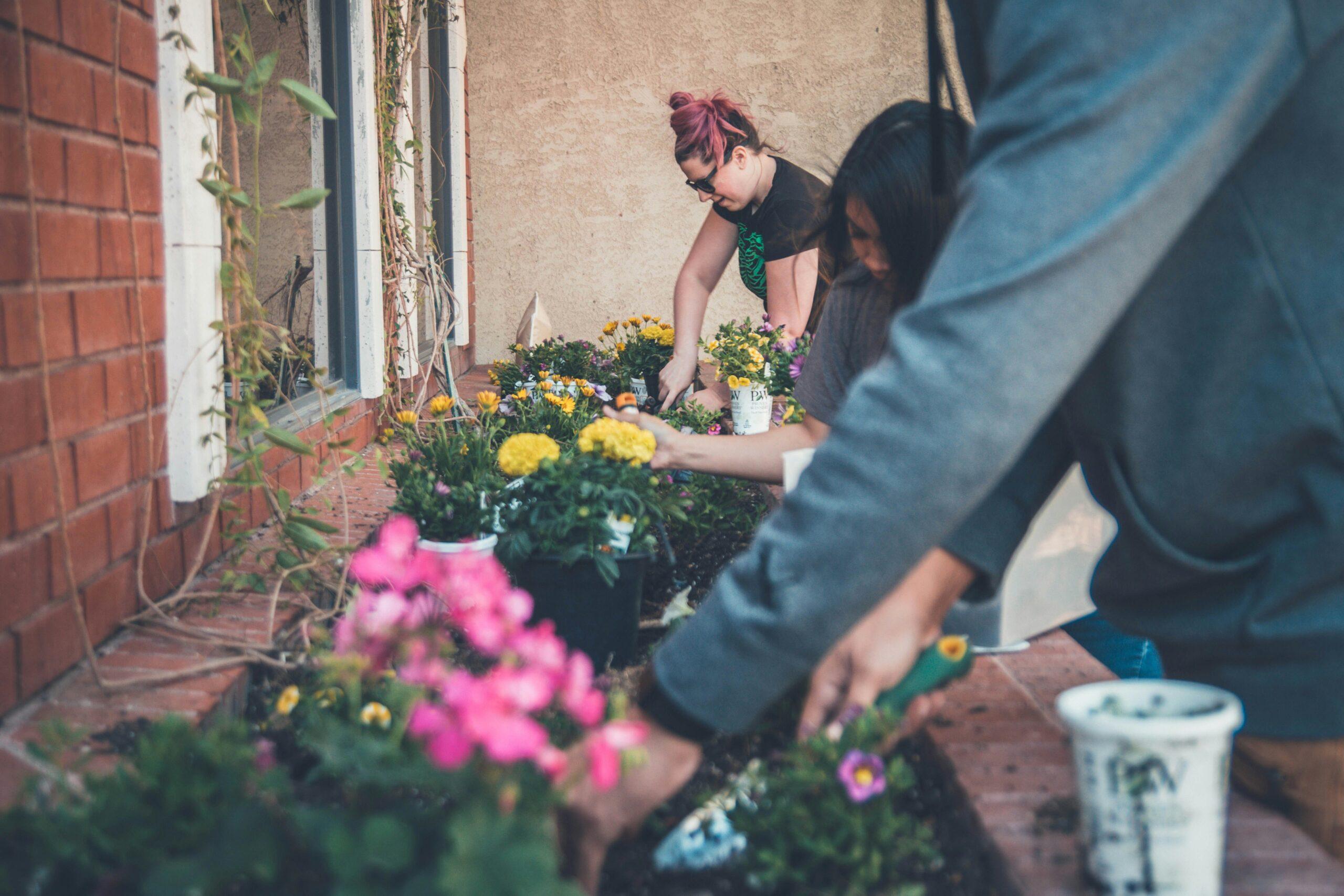
    4. Community garden coordinators

    Many churches are transforming unused land into community gardens. These spaces not only provide fresh produce for food banks but also serve as places of communion and education. Garden coordinators organize volunteers, plan harvests, and often integrate spiritual teachings into their work.

    5. Trauma-informed chaplains

    Specialized roles like trauma-informed care demonstrate how the Church is adapting to address contemporary challenges in serving communities. Trauma-informed chaplains combine theological knowledge with an understanding of psychological trauma, allowing them to provide more effective spiritual care in hospitals, prisons, or disaster relief situations. To pursue this career, one might start by obtaining a master’s degree in divinity or pastoral counseling, then seek additional training in trauma-informed care through organizations like the Trauma-Informed Care Project or the International Association of Trauma Professionals.

    6. Faith-based data analysts

    These professionals use data analytics to help churches better understand their congregations, measure the impact of outreach programs, and inform strategic decisions. Data experts can help churches gain valuable information about charitable giving, attendance patterns, parish demographics, volunteer engagement, and overall needs of the community. To enter this field, one could begin with a degree in data science, statistics, or a related field, and then seek opportunities to apply these skills within religious organizations. By leveraging these types of analyses, ministries can make more informed decisions, allocate resources more effectively, and ultimately grow their impact in their communities.

    7. Interfaith dialogue facilitators

    With increasing global interconnectedness, the ability to build bridges between different faiths is crucial. Some individuals dedicate themselves to organizing interfaith events, moderating discussions, and promoting understanding across religious boundaries.

    RELATED: Showing Up Imperfectly: What I Learned as a Hospital Chaplain

    8. Church archivists and historians

    Preserving the rich history of faith communities is vital. Church archivists and historians use modern technology to digitize records, create virtual tours of historic religious sites, and make centuries of wisdom accessible to new generations.

    9. Faith-based financial Advisors

    Stewardship of resources is an important aspect of many faiths. Some financial advisors specialize in helping individuals and religious organizations align their investments with their values, often focusing on socially responsible investing. Organizations like Compass Catholic teach practical financial discipleship and have programs for parishes and individuals alike. 

    10. Sports ministers

    Recognizing the power of sports to build community and character, some churches now employ sports ministers. These individuals organize leagues, coach teams, and use athletic activities as a platform for spiritual growth and outreach.

    11. Technology accessibility specialists

    As churches increasingly rely on technology for services and outreach, ensuring accessibility for all members is crucial. Specialists in this field work to make digital content accessible to those with visual, auditory, or other impairments.

    RELATED: 10 Ways to Serve Others When You Have Young Kids

    These unexpected vocations demonstrate that serving the Church is not limited to traditional roles. As society evolves, so do the ways individuals can contribute to their faith communities. Whether through technology, environmental stewardship, or creative arts, there are myriad opportunities for those feeling called to serve.

    By embracing these unexpected vocations, the Church demonstrates its ability to evolve and remain relevant in a rapidly changing world. Each of these roles, from digital evangelists to environmental stewards, creates new avenues for outreach and connection. They remind us that serving the Church isn’t confined to traditional roles or spaces, but can happen wherever people’s skills and passions intersect with the needs of their community.

    As we move forward, it’s exciting to imagine what new forms of ministry might emerge. The key is to remain open to new possibilities, recognizing that every skill and talent can be a powerful tool for sharing faith and building community. Contact your local parish to see if opportunities like these are available, or if your parish community would be open to starting a new program.

  • Who is Padre Pio of Pietrelcina? Examining His Inspiring Story of Faith and Trust

    Who is Padre Pio of Pietrelcina? Examining His Inspiring Story of Faith and Trust

    Photo by Maria Paula Campisi on Cathopic

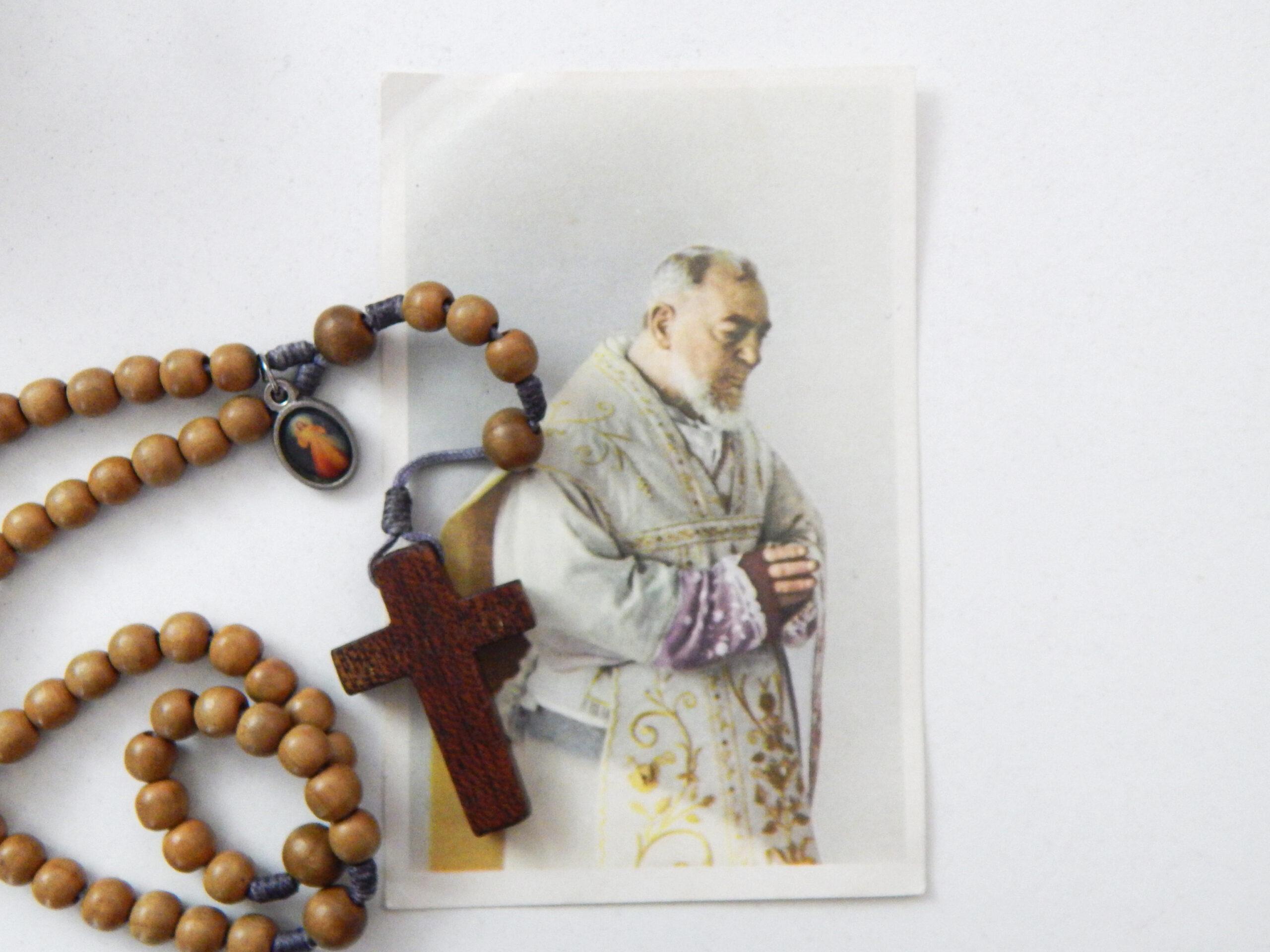
    Padre Pio of Pietrelcina is one of the Catholic Church’s best-known saints and stigmatists whose life serves as a true testament to radical love of God and neighbor. While the majority of his time on this earth was characterized by intense illness and suffering, Padre Pio’s example reveals to us how much more God’s grace abounds in the midst of our troubles when we unite our suffering to Christ crucified. The Catholic Church celebrates this beloved Italian saint’s feast day on September 23. 

    As is probably the case for many young Catholics of Italian descent, I first encountered Padre Pio in the form of pictures and prayer cards that decorated the home of my grandparents – a tailor and seamstress who emigrated from the Southern Italian region of Puglia. My nonno and nonna often told me stories about this holy man, instilling in me a deep admiration for his devotion to prayer and his profound love for Jesus. Now my favorite saint and intercessor (after the Blessed Virgin Mother, of course), Padre Pio continues to inspire me as a role model in faith and courage as I navigate my own spiritual journey. 

    RELATED: Pray, Hope, and Don’t Worry: Learning From Padre Pio’s Words of Wisdom

    Born Francesco Forgione to poor Southern Italian farmers on May 25, 1887, Saint Pio’s life of faith had an extraordinary beginning in that he consecrated himself to Jesus at just 5 years old. Young Francesco was gifted with the ability to see and speak to his guardian angel and innocently believed everyone enjoyed the same privilege.

    At the age of 10, Francesco informed his parents of his wish to become a Capuchin friar, and five years later, he was accepted into the order’s novitiate, where he would prepare to enter religious life. It was at this point that he took the name Pio in honor of the second-century bishop of Rome, Pope Pius I. After completing his training, he was ordained to the priesthood at 23 years old.

    Padre Pio’s special grace as a young priest was clear to all those who encountered him. He was known to spend the majority of his day praying and holding confessions. The friar often entered into silent contemplation of Christ’s Passion during his celebration of the Holy Mass, so it was not uncommon for his Masses to last several hours. News of Padre Pio’s mystifying spirituality quickly spread, drawing pilgrims from around the world to seek his spiritual guidance, confessions, and the powerful experience of his Mass. 

    Having endured markedly poor health since the time he was a child, the Capuchin priest understood his suffering as a God-given opportunity for sanctification, offering it to Christ for the conversion of sinners and as expiation for the souls in purgatory. Padre Pio expressed his ever-growing passion for this penitential sacrifice to his spiritual father in a letter, demonstrating his total surrender to the will of God in the words, “It seems to me that Jesus wants this.” 

    LISTEN: Discussing Heaven and Purgatory With Leonard DeLorenzo

    Inspired by his example, I strive to emulate the radical love of neighbor that Padre Pio embodied by offering up my own sufferings for the holy souls in purgatory just as he did. In doing so, I have learned to recognize the unique grace spoken about by many Catholic saints that is experienced when one embraces suffering with humility and gratitude. 

    At the age of 31, Pio received the stigmata – the real, bleeding wounds of Christ in his hands, feet, side, and shoulder – as he was praying before a crucifix. United to Christ’s Passion, Padre Pio bore these painful wounds for 50 years, and from them emanated the distinct aroma of violets that followed Pio wherever he went. When asked on one occasion if the wounds caused him pain, he smiled and replied, “Do you think the Lord gave them to me for decoration?” The wounds miraculously healed without a trace upon his death.

    The extraordinary life of Padre Pio serves as a guiding light to the faithful on how we can deepen our devotion to loving and serving our neighbors. For us laypeople who do not physically bear the wounds of Christ and cannot administer the sacrament of Reconciliation, what we can do is take seriously the need to pray for one another, especially the souls in purgatory who can no longer atone for their past sins. “We must empty purgatory with our prayers,” was one of Saint Pio’s oft-repeated phrases. Like the Capuchin priest, we are called to do all that we can with whatever graces God has given us to work selflessly for the salvation of our brothers and sisters, remembering that each and every soul is infinitely precious to our God. One of my personal favorite prayers for the souls in purgatory can be found here

    RELATED: 7 Ways to Pray for the Holy Souls in Purgatory This November 

    We can also look to Saint Pio as a shining example of complete and constant trust in the Lord when we find ourselves in challenging times. In fact, this saint’s story attests that it is through our suffering, rather than in spite of it, that we are brought closer to Jesus. As he carried the agonizing wounds of Christ’s Passion for 50 long years, Pio willingly embraced his affliction because he understood that suffering endured out of love for Christ brings sanctification. Like Padre Pio, we too can learn to recognize God in the midst of our hardships and take comfort in knowing that He faithfully sustains us through it all. In his own words, Saint Pio reassures us that “When we suffer, Jesus is closer to us.” I hold these words dear when I encounter difficult moments, confident that we are never abandoned in our suffering, but instead drawn nearer to the Lord who came into this world to suffer for our sake so that we may be redeemed. 

    With the same confidence in our Lord as the humble priest from Pietrelcina, let us always be guided by Padre Pio’s simple, yet beautiful profession of faith: “Pray, hope, and don’t worry.”