
 For many of us, as we move through January, our thoughts turn to getting healthy by watching what we eat and hitting the gym. But the reality of winter presents us with some health challenges, as contagious illnesses like colds and the flu make their annual rounds. When we get sick in the winter months, darker days and colder weather can compound the misery of the experience.
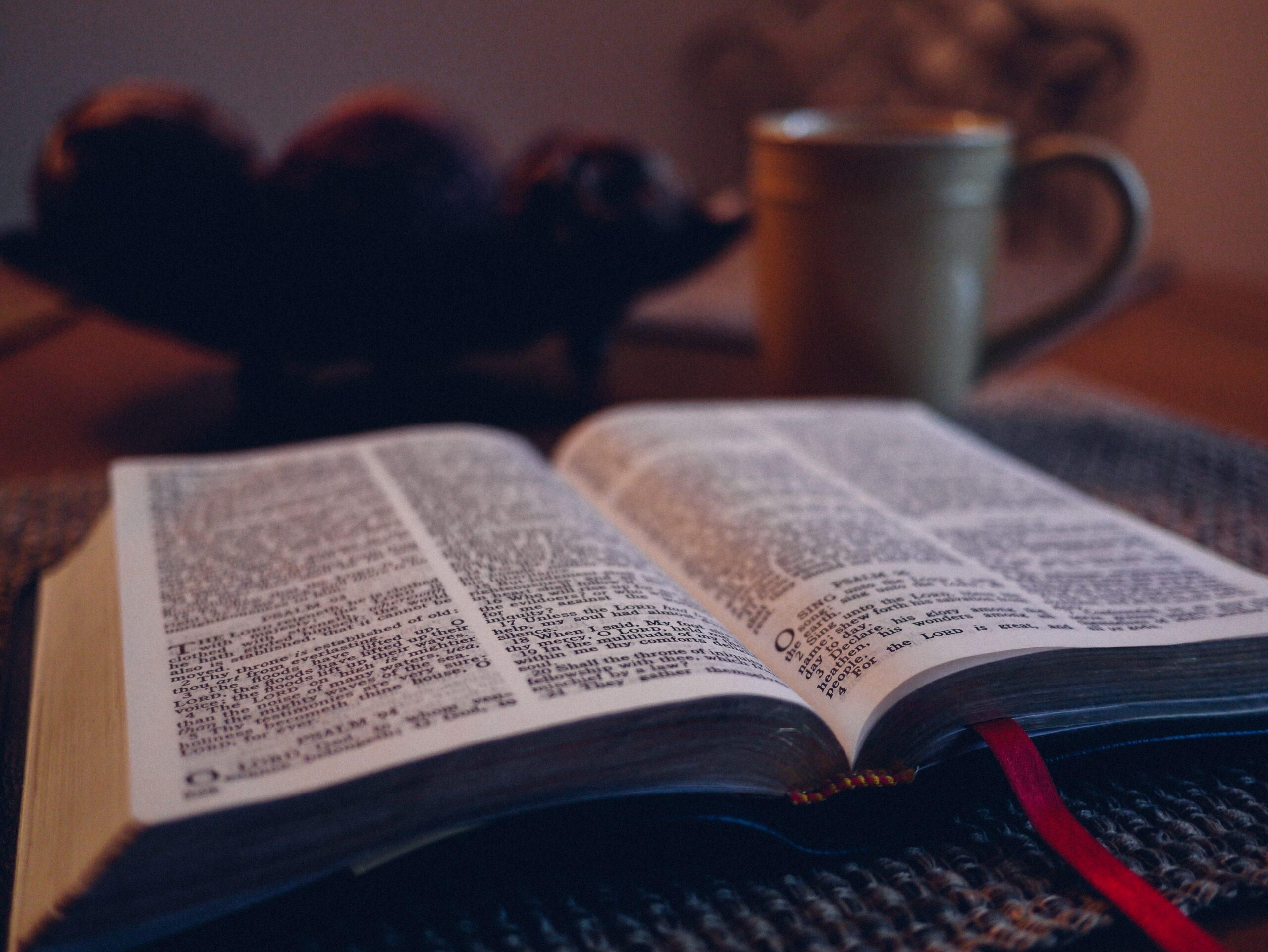
Whether you’re laid low with something acute, like the flu, or something chronic you struggle with all year long, it can be tough to find comfort for your soul when your body feels so wretched. Thankfully, the Bible offers a wealth of encouragement for such times. If you’ve ever read the Book of Psalms, you know that these ancient prayers of praise (and sometimes even anger or despair) resonate on a deep level even today. Though you may have read the psalms in the midst of other trials in the past, perhaps it’s time for a fresh look at how they can serve as a source of hope and comfort for illness. Here are five psalms to turn to when you’re sick.
Psalm 6: God hears us
Sometimes when you don’t feel well, don’t you just want someone to commiserate with you? If you can’t call upon loved ones to share the pain of your illness, try praying along with David, the author of Psalm 6. This biblical “man after God’s own heart” knew well the burden of unrelenting affliction. In this totally relatable cry for mercy, he pleads with God, “O Lord, heal me, for my bones are in agony. My soul is in anguish. How long, O Lord, how long?” The psalm ends with the helpful reminder that “the Lord has heard my cry for mercy; the Lord accepts my prayer.” We, too, can rest in the knowledge that no matter how God may choose to answer, he does hear and accept our prayers.
RELATED: How I Started Praying the 23rd Psalm with My Kids
Psalm 38: You’re not in this alone
Though most psalms point to God’s enduring faithfulness and eventual deliverance, they don’t all end neatly tied up with a bow. But that doesn’t mean they don’t still bring comfort. I personally find enormous amount of encouragement in Psalm 38, where David offers up a litany of his sufferings. “There is no health in my body,” he laments. His wounds “fester and are loathsome,” his back “is filled with searing pain.” To me, it’s good to read that my suffering is not unique. There’s solidarity in remembering that even (or especially) God’s beloved saints have endured illnesses just as bad—or far worse—than mine.
Psalm 41: God is Healer
Psalm 41 contains perhaps the most comforting verse in all of Scripture for anyone struggling with sickness: “The Lord will sustain him on his sickbed and restore him from his bed of illness.” While we know that God doesn’t heal every illness—and when he does, it’s always on his own timeline—this psalm testifies to the sustaining grace he offers our souls when our bodies fail us.
WATCH: Who Can Receive the Anointing of the Sick?
Psalm 35: Fight back against illness
In Psalm 35, David asks the Lord to “contend with those who contend with me”—meaning King Saul’s army that pursued David as he fled through the desert. But in my own life, I like to use this psalm as a rallying cry against the invading agents that assault my body during a sickness. I picture the “attackers gathered against me when I was unaware” as the bacteria or virus that’s making me sick. And I pray that, like David’s pursuers, they may they be scattered far away. In a final, beautiful affirmation, this psalm ends by declaring that God loves it when his children are healthy: “The Lord delights in the well-being of his servant.”
Psalm 73: Don’t compare and despair
When I’m sick, it’s all too easy to look at others who feel fine and get jealous or resentful. Why am I the one stuck here suffering?, I wonder. It’s not fair! The writer of Psalm 73 apparently felt the same way. “They have no struggles; their bodies are healthy and strong,” he notes about those around him. Still, by the psalm’s end, he circles back to the truth of God’s perpetual presence: “Yet I am always with you; you hold me by my right hand.” He even finds peace in detaching from the comparison trap: “But, as for me, it is good to be near God. I have made the Sovereign Lord my refuge.”
The psalms not only offer encouragement for recovery from sickness, but remind us that suffering is part of the human condition. God’s understanding of—and compassion for—sickness comes through loud and clear in these ancient poems. May you find comfort and healing as you read them during an illness.
(Originally published January 23, 2019)




 The Solemnity of Mary, Mother of God is a liturgical celebration observed on January 1. It is a holy day of obligation for Catholics, meaning that Mass attendance is required (though the Mass obligation is sometimes waived by the bishop for various reasons; when in doubt, check with your parish.)