Category: Ministry Resources

  • Praying for Presence: How the Examen Helps Me Focus

    Praying for Presence: How the Examen Helps Me Focus

    When I was a kid, there were nights at the dinner table when my dad would get quiet and start staring off into the distance. My sisters and I would joke, “Dad’s thinking about work again!” and the chorus of giggles would break him out of his trance and bring him back to dinner. 

    Now, at 41, I’m the one who’s prone to the “thinking about work” face at dinner and many other times as I try to shift from employee to father at the end of the workday. 

    As a civil defense attorney, I’ll regularly handle 200 or more cases at any given time, each with its own facts, medical records, litigation status, and hearing schedule. 

    As a father, I have four kids who are growing up way too fast — each with their own interests, likes/dislikes, friends, school assignments, extracurriculars, etc. 

    As a husband, I have an incredible wife who has kept me around for 12 years and counting, but we’re no longer carefree 20-somethings with little responsibility and an excess of free time. It’s frighteningly easy to lose track of each other amidst our sea of responsibilities and commitments. 

    RELATED: How I Use Ignatian Discernment to Make Decisions Big and Small

    Alternating between those three main roles in my life, it can be difficult to be fully engaged in the present moment. There are dinners and vacations where I have replayed court hearings in my head, pondering how I could have performed better. There are file reviews at work where I continually think of kids’ sports schedules or weekend plans. There are times at work and with the family when I’m thinking of household repairs. 

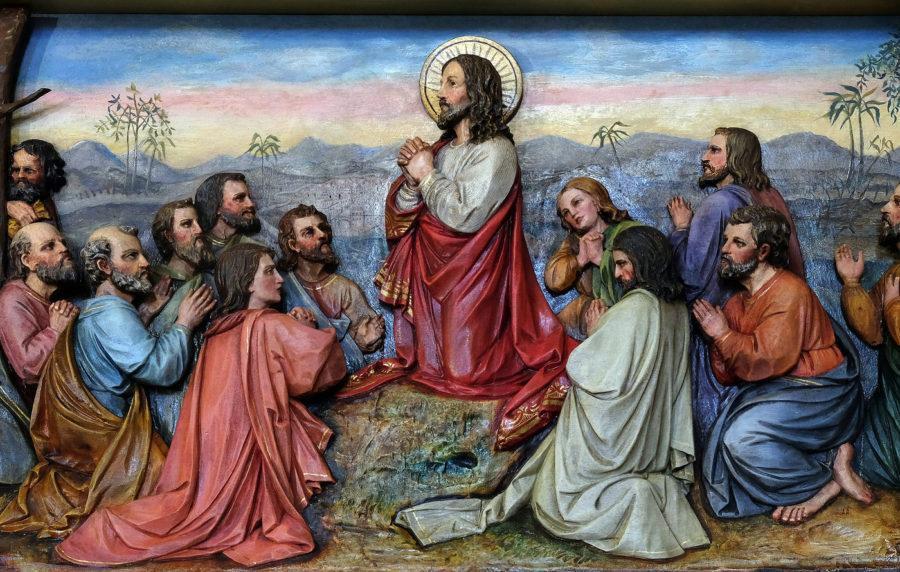
    One thing that’s helped me with this is the Examen, a prayer formulated by St. Ignatius Loyola.  I first came across the prayer when I was a teenager considering a Jesuit vocation. The whole of Ignatian spirituality, with its emphasis on finding God in all things, was such a revelation to my young mind, but this prayer made an impression and I recently resumed the practice of praying it at night. The basic outline of the prayer is a 5-step process:

    1. Be aware you’re in God’s presence. 
    2. Ask for grace to see God’s work in your life.
    3. Review the day in detail. 
    4. Reflect on specific actions and see whether they brought you closer to or farther away from God. 
    5. Make a resolution for tomorrow.

    When a priest gives a homily at Mass, he takes the Gospel message and makes it applicable to the general congregation. When I pray the Examen, I try to feel I take it one step further and make it applicable directly to my life — my wife, my errands, my kids, my schedule, my work, my supervisor, my commute, and all of the nitty-gritty that makes up my life. 

    I think hidden within my lack of focus is the false belief that whatever I’m focused on is the most important, most pressing matter. Praying the Examen gently corrects this warped way of thinking by reminding me that everything is important, because everything relates back to God. 

    RELATED: Growing in Gratitude, Thanks to the Examen

    The process of he fourth step, reflecting on my actions and whether they brought me closer to or farther from God, changes every day, but I’ll sometimes ask:

    • Was I short with someone on a work call where I was just trying to get another task off the to-do list?
    • Were my “blinders” on while I tried to go through my work day, missing opportunities to hear and see those souls that work alongside me?  
    • Should I have stopped by the desk of a colleague who was widowed last year and seen how she’s holding up? 
    • Did I pay attention to my kids when I came home? 
    • Did I focus on the stories they so eagerly conveyed to me, treasuring them as the gifts they are?
    • Did I miss an opportunity to show more initiative, to ask questions, to be silly, to initiate play? 
    • Have I taken active steps today to work on my marriage?
    • Have I listened to things my wife has expressed frustration over and given her empathy, as well as whatever support I could?
    • Have I made efforts to connect with my wife and share myself, and not just go through the day on our parallel routes?

    For me, the biggest benefit of the Examen is not just the act of praying it towards the end of the day, but rather the way it shapes my mind throughout the day. Getting in the habit of praying it has “trained” my brain to start considering those questions as I am going about my day. As I live in the present moment, I know that God is there and I know that the only way I can respond to him is by being present in that moment, noticing what he is offering me in that moment, and responding with love. 

    With regularly praying the Examen, my “thinking about work” face pops up less often. When I’m with my wife and kids, I’m with them — attuned to all the beautiful intricacies of the present moment. 

  • 6 Bible Verses That Shepherd My Parenting

    6 Bible Verses That Shepherd My Parenting

    Parents and a toddler preparing food togetherWhen I became a Christian, I felt like God was inviting me to come to him for parenting support, through prayer and reading his word. 

    When I first looked at what the Bible said, I didn’t see much advice for parents. Apart from the often-quoted Proverbs 22:6 “train up a child in the way he should go,” there doesn’t seem to be a lot of advice that directly speaks to our parenting challenges. However, a deeper look reveals that many verses can support parents raising their children. 

    RELATED: How Memorizing Prayers Brought My Family Closer to God

    Loving our children is a reflection, on the micro level, of how Jesus loves us. As imperfect humans with a tendency to sin, it’s a lot to live up to, but thankfully God gave us his Holy Spirit to be with us. 

    Here are six Bible verses to meditate on and memorize to help us along our parenting journey. I try to read and reread these as often as I can so that when I’m in a sticky parenting situation, God’s words of advice remind me to parent in the spirit and not in the flesh. 

    1. Remember the fruit

    But the fruit of the Spirit is love, joy, peace, patience, kindness, goodness, faithfulness, gentleness, self-control; against such things there is no law (Galatians 5:22-23).

    There are many parenting moments where I don’t feel peaceful or patient, when my words aren’t kind or gentle. Having this verse at the forefront of my mind can interrupt any negative patterns of thinking. It’s so easy to forget, which is why I like to read this one often; I even spent a week meditating on it. You could put it in a prominent place like your bathroom mirror, or on the fridge. 

    2. Pray without ceasing

    Cast all your anxieties on him, because he cares for you (1 Peter 5:7).

    When I first became a Christian three years ago, I gave up new-age practices after God showed me to rely solely on him. However, my parenting actually deteriorated for a while as I did not share my problems with him! It felt much harder to rely on a God I could not see. It took an inspiring sermon on the power of prayer to really make me sit down every day, and make sure I gave every anxiety to God. After that, I felt much calmer as a parent. 

    It can be all too easy to get caught up in my worries and not involve God. The Bible is full of reminders such as; “pray without ceasing” (1 Thessalonians 5:16) and “do not be anxious about anything but in everything by prayer and supplication with thanksgiving let your requests be made known to God.” (Philippians 4:6)

    3. Speak gently

    A soft answer turns back wrath: but a harsh word stirs up anger (Prov. 15:1).

    When I want to make a request or set a limit with my kids, it can be easy to let my own emotions come out in my tone of voice. Sometimes I get frustrated about the state of the kitchen or my irritation rises as a simple request is met with complaints or arguing. Nevertheless, using a gentle, loving tone, even when we need to hold a firm limit can help to build the sense of connection children need to cooperate with us. 

    LISTEN: Tackling Kids’ Tough Questions of Faith

    4. Stay quiet

    No human being can tame the tongue. It is a restless evil, full of deadly poison (James 3.8).

    I have found this particularly helpful as my daughter has gotten older and more prone to debating or questioning me. Sometimes rising irritation can lead me to say things that I may regret later. In those moments, I try to remember the book of James which has many reminders about staying quiet. 

    5. Stop complaining

    Do all things without grumbling or disputing, that you may be blameless and innocent, children of God without blemish in the midst of a crooked and twisted generation, among whom you shine as lights in the world (Philippians 2:14-15).

    Before coming to Christ, I must admit I complained a lot, often about the state of the house and the amount of items on my to-do list. I thought of it as a healthy expression of my feelings, but in reality, there were times when my moaning just created a bad atmosphere. This verse helps me, as it acknowledges that yes, this world is fallen and broken, so there will be many struggles. But we are servants of Christ so it’s our job to shine.

    6. God makes the impossible possible

    With man this is impossible, but with God all things are possible (Matthew 19.26).

    There have been moments when things seem impossibly hard, and I feel there is no hope. When I find myself caught thinking I’m not a good enough parent, or this is never going to change, I just remember that I’m not doing it alone.

  • Watch: Voting Catholic

    Watch: Voting Catholic

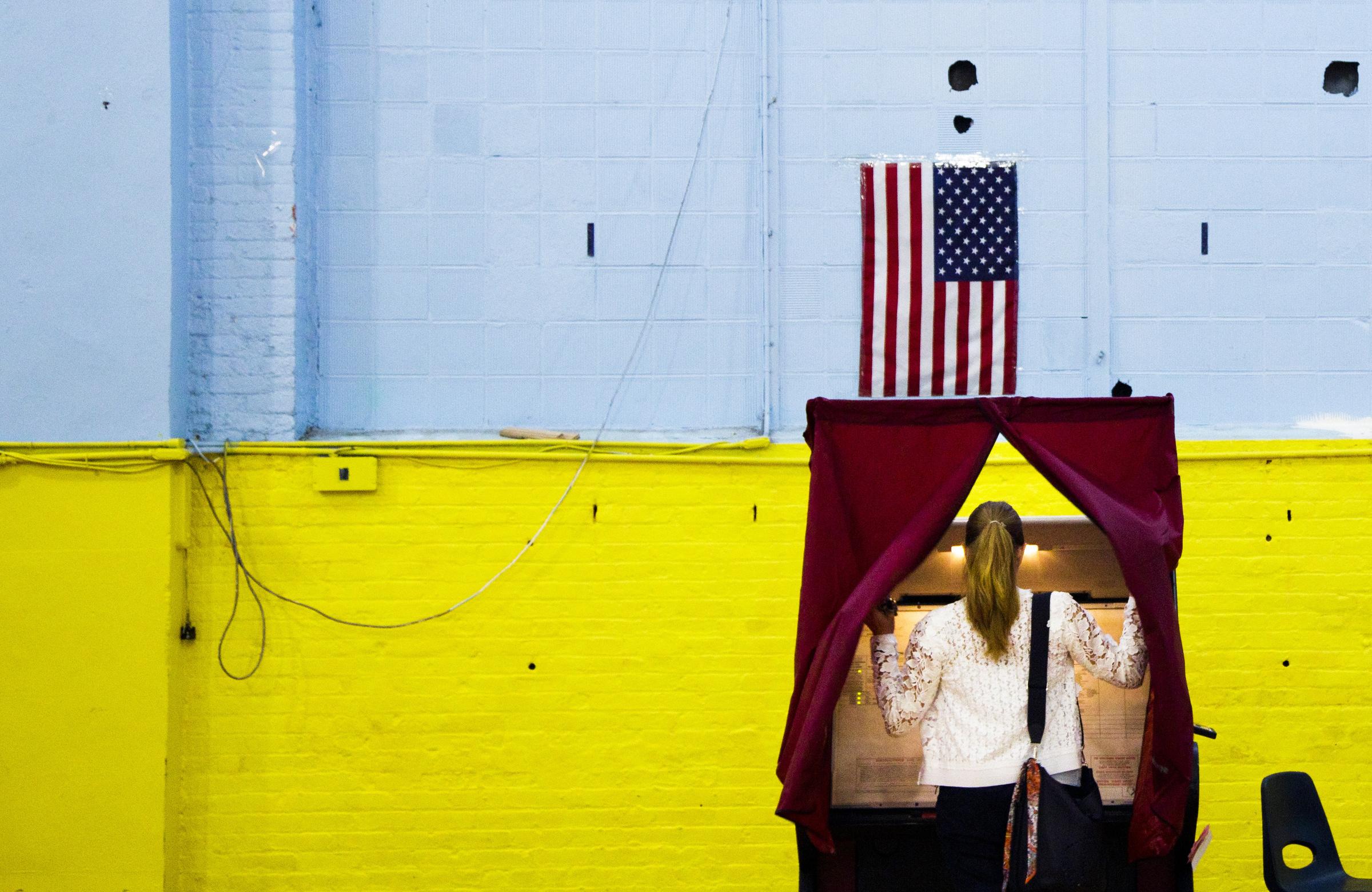
    We’ve been hearing about this year’s presidential election for a long time. Emotions are running high on all sides, and as the election draws closer, we’re inundated with news and opinions. You may have tried to tune out the campaign because you aren’t happy with your choices, but it’s almost time to head to the polls. Voting is important. And there’s always a lot for voters to consider, and different issues are important to different people. However, the Catholic Church has never advocated its members to vote for a particular candidate, particular party, or vote solely on one issue. In fact, Catholics are never single-issue voters. As Catholics, our faith helps us sort out the many complicated issues we face during an election and leads us to an informed decision about which candidate to vote for.

    Every election year, the United States Conference of Catholic Bishops publishes a guide called “Forming Consciences for Faithful Citizenship” — a teaching document on the political responsibilities of Catholics that offers insights on issues important to the Church. This video highlights the content of that guide.

    As a people of faith, it’s important that we remember we have a moral obligation to uphold, founded in the teachings of Jesus and of the Church. Hopefully, this video and guide will help you make the best possible moral, faith-filled choice as you vote in this election. Watch it, share it, and vote.

    Not sure how or where to vote this year? Visit rockthevote.com for details on voting in your area.

    The Paulist Fathers released several resources to anchor those who seek to engage with the moral questions that dominate election cycles. These documents will help you as you consider your choices this November.

    Originally published October 5, 2016.

  • Lessons from St. Teresa: How to Be the Eyes, Hands, and Feet of Christ

    Lessons from St. Teresa: How to Be the Eyes, Hands, and Feet of Christ

    Christ has no body but yours,
    No hands, no feet on earth but yours,
    Yours are the eyes with which he looks
    Compassion on this world,
    Yours are the feet with which he walks to do good,
    Yours are the hands, with which he blesses all the world.
    Yours are the hands, yours are the feet,
    Yours are the eyes, you are his body.
    Christ has no body now but yours,
    No hands, no feet on earth but yours,
    Yours are the eyes with which he looks
    compassion on this world.
    Christ has no body now on earth but yours. — St. Teresa of Ávila

    When I first read the words of this beautiful prayer by St. Teresa of Ávila, I felt they truly summed up how I wanted to live my life — by sharing God’s love with those around me. My own prayer became focused on finding ways to love the people I meet, even in the routine circumstances of my day.

    He was perhaps 5 years old, standing in my open doorway and waiting for me to notice him. When I greeted the little boy, he whispered in his best English: “My mother asks you give her painkillers. Her tooth is hurting.”

    Because my husband and I run a tourist lodge in Gambia, I spend the winter months in this tiny West African country. Many people live hand-to-mouth, and finding money to go to a health clinic is beyond them. Our neighbors know I keep a basic first aid kit and painkillers on hand, so it’s a rare week when someone doesn’t appear at our door asking for help. It’s one small way I can show love to my community.

    Jesus said that the greatest commandment was to love God and to love your neighbor as yourself, and he lived out that commandment daily. He brought God’s love to those on the margins of society, stood up against injustice, and showed compassion for those he met.

    RELATED: Who Is St. Teresa of Ávila?

    St. Teresa was born in Spain in 1515. As a young woman, she became a Carmelite nun, but for many years she found it difficult to devote herself as fully to God as she wanted. But eventually, after a series of visions, she felt herself becoming closer and closer to God, founding her own religious order despite much opposition. She focused on living a life of simplicity and experiencing God’s love, motivating her to show that love to those around her. This famous prayer sums up her attitude.

    It’s become a very real inspiration for me here in one of the poorest countries in Africa. Here are a few ways you too can bring this prayer to life:

    Yours are the eyes that look with compassion

    When Jesus looked at people he met, he didn’t judge them by the standards of the day. He looked beyond the outward circumstances of their lives — circumstances that sometimes invited condemnation from the religious leaders and the community — and showed love toward them. Think about his compassionate exchange with the woman caught in adultery or his interactions with Zacchaeus, the tax collector reviled in his community. With these examples in mind, I’m trying to look at others with the same compassion, without judging or condemning, even those who perhaps don’t invite it easily.

    Yours are the hands with which he blesses all the world

    Jesus used his hands to work as a skilled carpenter. We, too, have skills we can use to help others, such as helping a friend fix their car, using your gifts to update the church website, or cleaning up a neighbor’s yard after a storm.

    Jesus also blessed people with his hands, like the children who were brought to him despite the disciples’ disapproval. In the past, I’ve cooked a meal for an elderly neighbor, sewed drapes for a friend’s new home, and soothed a fretful baby so a new mom could steal some sleep. These are all practical ways we can use our hands to bless others.

    And Jesus also used his hands to heal. He spread mud on a blind man’s eyes, lifted Jairus’ daughter from her deathbed, and even touched lepers despite the fear and revulsion of most people at the time. We can all hold the hand of a sick friend when praying for their healing, console a teen who’s disappointed after not making the team, or hug a grieving friend.

    RELATED: 9 Ways to Help a Grieving Friend (That Aren’t Bringing a Meal)

    Yours are the feet that walk to do good

    Jesus walked everywhere, crisscrossing the region constantly because walking was the only way to travel unless you were rich. During his journeying, Jesus reached out to others. He talked with the woman at the well and taught those who walked miles and sat for hours just to listen to him speak. He even walked to Bethany, knowing that his friend Lazarus had died, to comfort Martha and Mary and ultimately raise Lazarus to life again.

    Use your feet to do good by doing a walk or run for charity. A few years back, I raised money for Cancer Research UK by taking part in a 5K run. The thought that I was helping others was a great motivation when I was training! By extension, drive a friend to a doctor’s appointment or take a neighbor to the grocery store. You might travel yourself to visit a friend in the hospital or volunteer at a shelter for the homeless. Some might even feel called to travel worldwide, perhaps to serve on a hospital ship or volunteer their medical expertise.

    Learning to live St. Teresa’s prayer means looking for opportunities to bring God’s love to others, including small acts of compassion in our daily lives. Praying St. Teresa’s prayer has made me much more aware of God’s compassion toward people I meet every day — in line at the grocery store, waiting for the bus, or simply someone I pass in the street. I feel closer to God because I’m learning to see others through his eyes. So every day, I’m trying to look for ways to use my hands, feet, and whole body to show God’s love to everyone.

    Originally published May 23, 2018.

  • How to Be Kinder to Yourself

    How to Be Kinder to Yourself

    I want to live a simple, joyful life. I don’t want it to be complicated—I don’t want my happiness to be dependent on luxuries and comforts that I cannot afford. In my quest for such simplicity, I am inspired by the life and example of St. Francis of Assisi. I’m often impressed by Francis’ ability to deny himself the pleasures life has to offer.

    The idea of self-care was not a primary concern for him. Francis used to refer to his body as “Brother Ass” because he treated it like one. “A person’s worst enemy is the flesh,” he once said. “All its concern is how to squander the present. What is worse, it claims for itself and takes credit for what was given not to it, but to the soul.” Francis would deny himself any comforts, even those that were necessary for him to accommodate the many illnesses he suffered late in his life.

    As Francis lay dying, he was asked by one of the brothers if he had any regrets, if there was anything he would have done differently.

    “Yes,” he said. “I would have been kinder to Brother Ass.”

    RELATED: Experiencing God’s Love Through the Splendor of Creation

    St. Francis seems to be telling me that a healthy spirituality does not require me to sacrifice the things I enjoy. I don’t have to practice extreme self-denial. Rather, a healthy spirituality can—and perhaps should—make room for me to enjoy the simple pleasures and savor God’s many gifts. I find that when I do not spend at least part of my day outdoors—even if it as simple as taking my dogs for a walk to the park or watching the birds at my feeder while sipping a cup of tea—I am not a happy person; I do not feel whole. My spiritual life is the way I grow closer to God; it makes me whole. The happiness I feel in something as simple as watching a woodpecker hang from my feeder must, therefore, tell me something about God. It is a prayer as much as anything else. 

    You can make similar moments prayers of your own by following a few easy steps:

    Give thanks. Take a moment to thank God for whatever it is you’re doing. This can be as simple as saying “Thanks, God!” out loud. You can also take some time at the end of the day and review those things that brought you happiness. You may want to begin this act of gratitude with this prayer or something similar: “Heavenly Father, all good things come from you. Thank you for the many signs of your love I received today.” Gratitude helps you keep your attention on God from whom all blessings flow and not on the activity or yourself.

    Find God. Actively seek God’s presence in whatever it is you’re doing. You might notice God in a feeling or thought. God might make himself known through the presence of another. By actively seeking God, you will find that you are more attentive to God’s presence surrounding you.

    Share. Joy is not something we hoard. It is not something for our self alone. Joy can only be made complete when it is shared with another. Share your experience of joy with someone else. Even solitary activities can be shared through conversations and social media. For example, I post pictures on Instagram and Facebook of the birds I see when I go birdwatching; this helps me share the beauty I see, and, I hope, brings beauty into other people’s lives.

    RELATED: Living a Life of Gratitude

    We all need to find the time and place where we can enjoy the gifts God has given us. God wants us to be happy. True happiness fills us with God’s goodness and love. It satisfies us; it doesn’t leave us hungry and craving for more. True happiness leaves us feeling light and free, not burdened with the fear that it is fleeting. When we are truly happy, we find that we are filled with peace, kindness, gentleness, meekness, and generosity; we know that God alone is enough.

    Life is hard. We don’t need to make it any harder than it is. Take the time to seek out those things that bring you true happiness. For me and my wife Cathy, that can be as simple as watching the birds that visit our yard. I remember the first time I captured a picture of a Cedar Waxwing. We were sitting on our backyard patio, and Cathy pointed out a strange looking bird, something we had never seen before. We grabbed our camera and snapped a few pictures. We then saw another, and another, and another. Soon we noticed a whole flock of Cedar Waxwings perched in a tree, feeding on berries from its branches. We were so excited. That moment of relaxation on our patio had turned into a shared moment when we felt God’s love, goodness, and beauty.

    So, be kinder to Brother Ass and treat yourself to the simple pleasures that bring you joy. And don’t be surprised when you discover God enjoying them with you.

    Originally published September 18, 2019.

  • How Do I Instill Enthusiasm for Faith in My 10th Grade Students?

    How Do I Instill Enthusiasm for Faith in My 10th Grade Students?

    Students at Cristo Rey New York High School. (CNS photo/Chaz Muth)

    Faith is not taught, it is caught. So while it’s important to present your curriculum clearly and accurately, you must also offer an enthusiastic example of a life lived in faith.

    Can your students see that your own life is infused with joy and grace? Do they recognize that you are living in the peace and freedom that only God can give? While maintaining appropriate boundaries, are you honest with them about your own times of struggle and the fruits of those struggles?

    Your witness will be the strongest message they carry away from your classroom. While doctrines and jargon may go in one ear and out the other, the example of a life shaped by the good news remains in the heart. Be a person of faith and trust that God will touch your students’ hearts and inspire them to respond.

    RELATED: How Should I Best Share My Faith With Others?

    (Originally published Sept 7, 2018)

  • Beyond the Pulpit: Unconventional Ways to Serve Your Church

    Beyond the Pulpit: Unconventional Ways to Serve Your Church

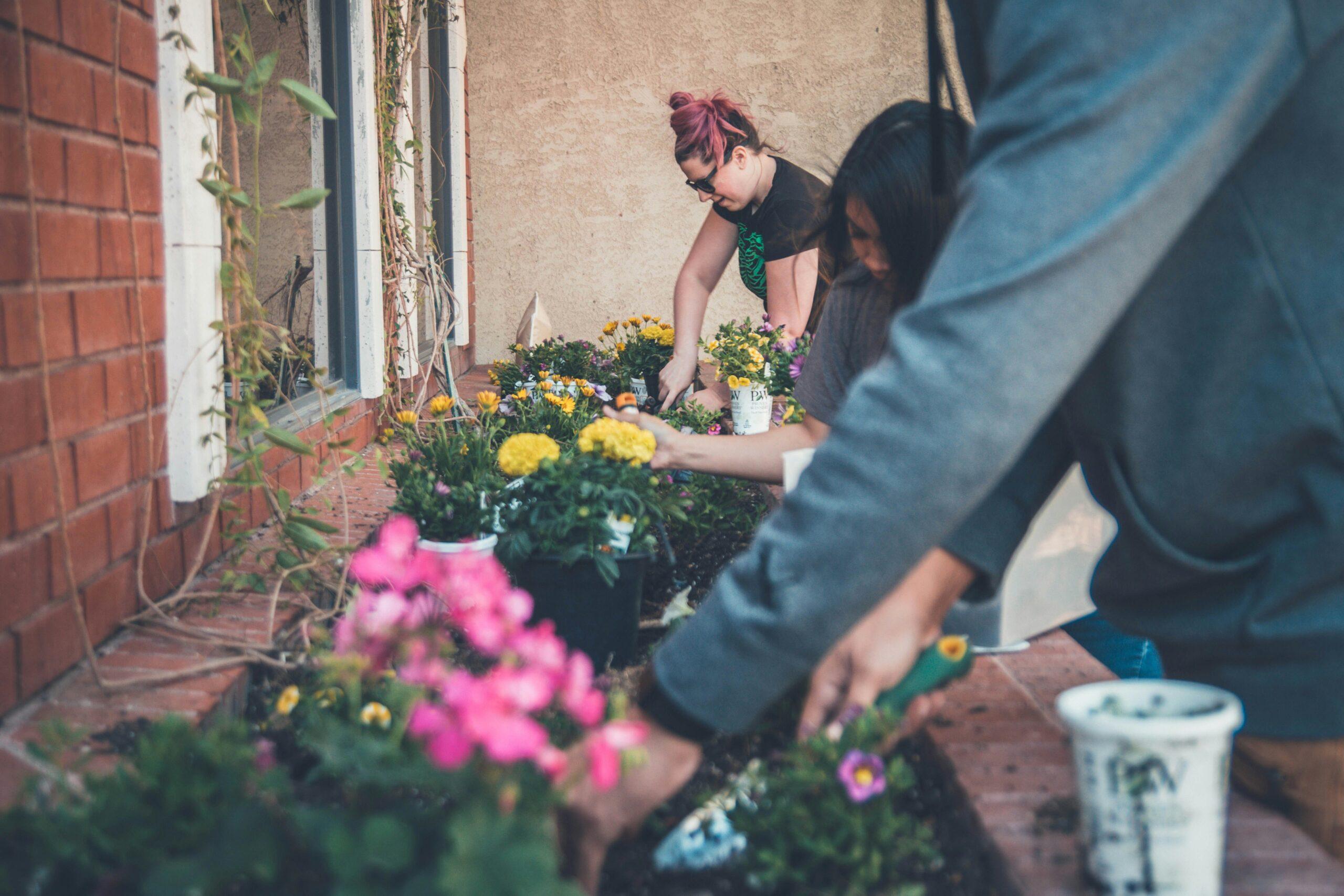
    Photo by Kelly Eliason on UnSplash

    As someone who serves on the “media ministry” team at my church, I’ve gained firsthand experience in the power of digital evangelism. Our team manages sound, lighting, and visual presentations during services, but more importantly, we broadcast sermons online to reach those unable to attend in person. It was only when I learned about homebound members, nursing home residents, and far-flung congregants tuning in that I truly grasped the importance of this ministry in spreading the Gospel and connecting with people.

    RELATED: Eccentric Evangelism: How I Use My Quirks to Spread the Gospel

    The evolution of church service roles reflects the changing landscape of how faith communities engage with their members and reach new audiences. While vocations to religious life remain vital, today’s Church also needs laypeople with diverse skill sets to minister effectively in our digital age.

    There are countless unexpected and creative ways individuals can contribute to their faith communities. Here are some lesser-known vocations and how they’re making a significant impact.

    1. Digital evangelists

    In our increasingly online world, the Church needs tech-savvy individuals to spread its message. Digital evangelists use social media, podcasting, and video production to reach new audiences. For example, Father Mike Schmitz’s “Bible in a Year” podcast became the #1 podcast in the US on Apple’s platform in 2021, demonstrating the power of digital ministry. Those interested in getting involved in digital evangelization could pitch an article, prayer, or podcast to a religious publication, or start a social media channel with a creative take on sharing the faith. 

    2. Environmental stewards

    Pope Francis’s encyclical “Laudato Si’” highlighted the importance of caring for our common home. This has led to a rise in faith-based environmental initiatives. Some churches now employ sustainability coordinators to reduce their carbon footprint and educate congregations on eco-friendly practices. Looking for helpful ways to get started? The United Nations and Earthday.org has plenty of resources for faith leaders across denominations to encourage more sustainable practice. 

    3. Sacred artists

    While religious art has a long history, modern sacred artists are finding new ways to express faith. From contemporary Christian music composers like Lauren Daigle or For King and Country to graphic designers creating faith-inspired merchandise like Not of This World or Elevated Faith, these creatives are making spirituality more accessible to younger generations through music and fashion. They blend contemporary styles with faith-based messages, appealing to a wide audience while maintaining their spiritual focus.

    RELATED: How Do I Serve the Church as a Layperson?

    4. Community garden coordinators

    Many churches are transforming unused land into community gardens. These spaces not only provide fresh produce for food banks but also serve as places of communion and education. Garden coordinators organize volunteers, plan harvests, and often integrate spiritual teachings into their work.

    5. Trauma-informed chaplains

    Specialized roles like trauma-informed care demonstrate how the Church is adapting to address contemporary challenges in serving communities. Trauma-informed chaplains combine theological knowledge with an understanding of psychological trauma, allowing them to provide more effective spiritual care in hospitals, prisons, or disaster relief situations. To pursue this career, one might start by obtaining a master’s degree in divinity or pastoral counseling, then seek additional training in trauma-informed care through organizations like the Trauma-Informed Care Project or the International Association of Trauma Professionals.

    6. Faith-based data analysts

    These professionals use data analytics to help churches better understand their congregations, measure the impact of outreach programs, and inform strategic decisions. Data experts can help churches gain valuable information about charitable giving, attendance patterns, parish demographics, volunteer engagement, and overall needs of the community. To enter this field, one could begin with a degree in data science, statistics, or a related field, and then seek opportunities to apply these skills within religious organizations. By leveraging these types of analyses, ministries can make more informed decisions, allocate resources more effectively, and ultimately grow their impact in their communities.

    7. Interfaith dialogue facilitators

    With increasing global interconnectedness, the ability to build bridges between different faiths is crucial. Some individuals dedicate themselves to organizing interfaith events, moderating discussions, and promoting understanding across religious boundaries.

    RELATED: Showing Up Imperfectly: What I Learned as a Hospital Chaplain

    8. Church archivists and historians

    Preserving the rich history of faith communities is vital. Church archivists and historians use modern technology to digitize records, create virtual tours of historic religious sites, and make centuries of wisdom accessible to new generations.

    9. Faith-based financial Advisors

    Stewardship of resources is an important aspect of many faiths. Some financial advisors specialize in helping individuals and religious organizations align their investments with their values, often focusing on socially responsible investing. Organizations like Compass Catholic teach practical financial discipleship and have programs for parishes and individuals alike. 

    10. Sports ministers

    Recognizing the power of sports to build community and character, some churches now employ sports ministers. These individuals organize leagues, coach teams, and use athletic activities as a platform for spiritual growth and outreach.

    11. Technology accessibility specialists

    As churches increasingly rely on technology for services and outreach, ensuring accessibility for all members is crucial. Specialists in this field work to make digital content accessible to those with visual, auditory, or other impairments.

    RELATED: 10 Ways to Serve Others When You Have Young Kids

    These unexpected vocations demonstrate that serving the Church is not limited to traditional roles. As society evolves, so do the ways individuals can contribute to their faith communities. Whether through technology, environmental stewardship, or creative arts, there are myriad opportunities for those feeling called to serve.

    By embracing these unexpected vocations, the Church demonstrates its ability to evolve and remain relevant in a rapidly changing world. Each of these roles, from digital evangelists to environmental stewards, creates new avenues for outreach and connection. They remind us that serving the Church isn’t confined to traditional roles or spaces, but can happen wherever people’s skills and passions intersect with the needs of their community.

    As we move forward, it’s exciting to imagine what new forms of ministry might emerge. The key is to remain open to new possibilities, recognizing that every skill and talent can be a powerful tool for sharing faith and building community. Contact your local parish to see if opportunities like these are available, or if your parish community would be open to starting a new program.

  • Who is Padre Pio of Pietrelcina? Examining His Inspiring Story of Faith and Trust

    Who is Padre Pio of Pietrelcina? Examining His Inspiring Story of Faith and Trust

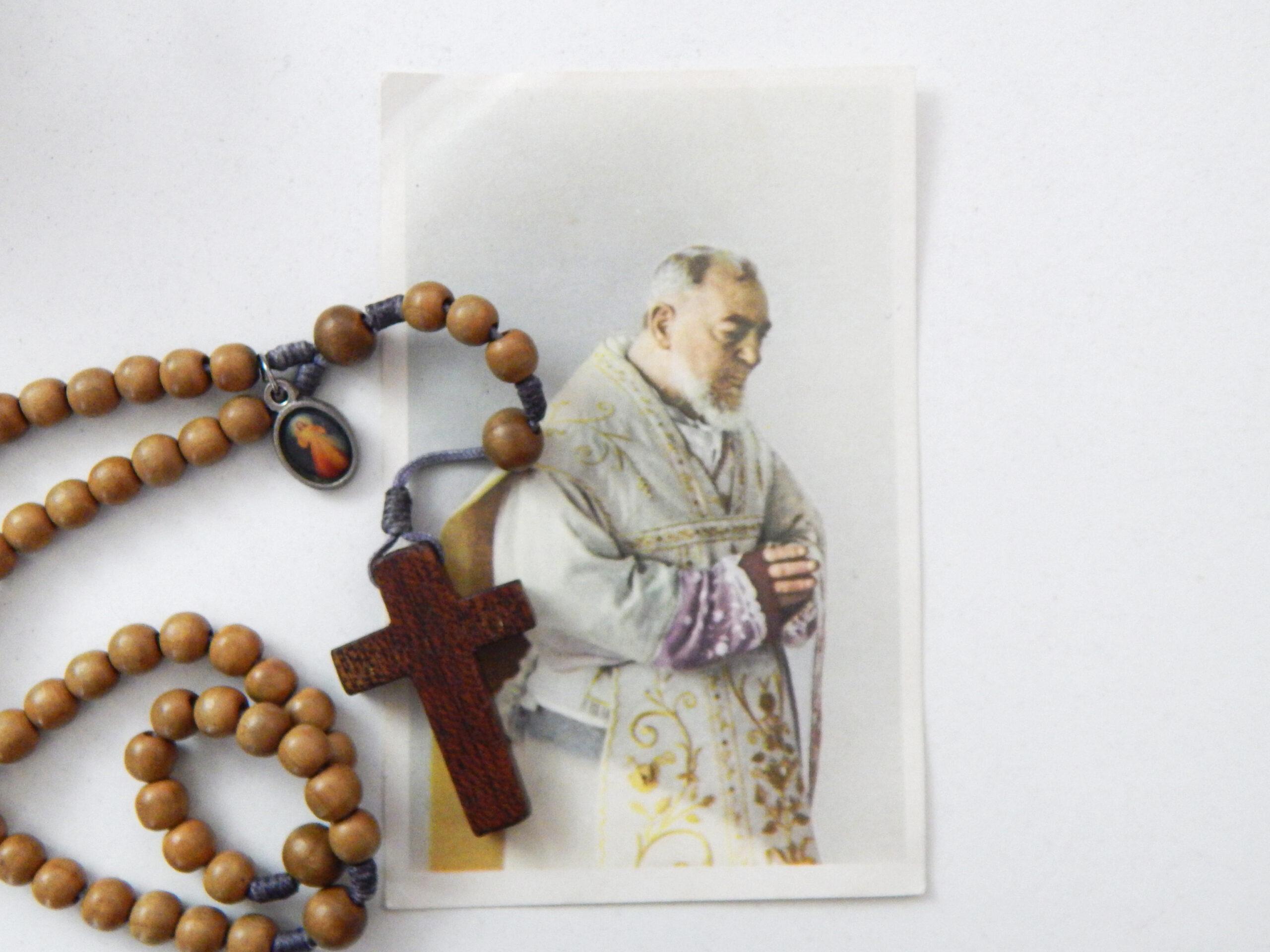
    Photo by Maria Paula Campisi on Cathopic

    Padre Pio of Pietrelcina is one of the Catholic Church’s best-known saints and stigmatists whose life serves as a true testament to radical love of God and neighbor. While the majority of his time on this earth was characterized by intense illness and suffering, Padre Pio’s example reveals to us how much more God’s grace abounds in the midst of our troubles when we unite our suffering to Christ crucified. The Catholic Church celebrates this beloved Italian saint’s feast day on September 23. 

    As is probably the case for many young Catholics of Italian descent, I first encountered Padre Pio in the form of pictures and prayer cards that decorated the home of my grandparents – a tailor and seamstress who emigrated from the Southern Italian region of Puglia. My nonno and nonna often told me stories about this holy man, instilling in me a deep admiration for his devotion to prayer and his profound love for Jesus. Now my favorite saint and intercessor (after the Blessed Virgin Mother, of course), Padre Pio continues to inspire me as a role model in faith and courage as I navigate my own spiritual journey. 

    RELATED: Pray, Hope, and Don’t Worry: Learning From Padre Pio’s Words of Wisdom

    Born Francesco Forgione to poor Southern Italian farmers on May 25, 1887, Saint Pio’s life of faith had an extraordinary beginning in that he consecrated himself to Jesus at just 5 years old. Young Francesco was gifted with the ability to see and speak to his guardian angel and innocently believed everyone enjoyed the same privilege.

    At the age of 10, Francesco informed his parents of his wish to become a Capuchin friar, and five years later, he was accepted into the order’s novitiate, where he would prepare to enter religious life. It was at this point that he took the name Pio in honor of the second-century bishop of Rome, Pope Pius I. After completing his training, he was ordained to the priesthood at 23 years old.

    Padre Pio’s special grace as a young priest was clear to all those who encountered him. He was known to spend the majority of his day praying and holding confessions. The friar often entered into silent contemplation of Christ’s Passion during his celebration of the Holy Mass, so it was not uncommon for his Masses to last several hours. News of Padre Pio’s mystifying spirituality quickly spread, drawing pilgrims from around the world to seek his spiritual guidance, confessions, and the powerful experience of his Mass. 

    Having endured markedly poor health since the time he was a child, the Capuchin priest understood his suffering as a God-given opportunity for sanctification, offering it to Christ for the conversion of sinners and as expiation for the souls in purgatory. Padre Pio expressed his ever-growing passion for this penitential sacrifice to his spiritual father in a letter, demonstrating his total surrender to the will of God in the words, “It seems to me that Jesus wants this.” 

    LISTEN: Discussing Heaven and Purgatory With Leonard DeLorenzo

    Inspired by his example, I strive to emulate the radical love of neighbor that Padre Pio embodied by offering up my own sufferings for the holy souls in purgatory just as he did. In doing so, I have learned to recognize the unique grace spoken about by many Catholic saints that is experienced when one embraces suffering with humility and gratitude. 

    At the age of 31, Pio received the stigmata – the real, bleeding wounds of Christ in his hands, feet, side, and shoulder – as he was praying before a crucifix. United to Christ’s Passion, Padre Pio bore these painful wounds for 50 years, and from them emanated the distinct aroma of violets that followed Pio wherever he went. When asked on one occasion if the wounds caused him pain, he smiled and replied, “Do you think the Lord gave them to me for decoration?” The wounds miraculously healed without a trace upon his death.

    The extraordinary life of Padre Pio serves as a guiding light to the faithful on how we can deepen our devotion to loving and serving our neighbors. For us laypeople who do not physically bear the wounds of Christ and cannot administer the sacrament of Reconciliation, what we can do is take seriously the need to pray for one another, especially the souls in purgatory who can no longer atone for their past sins. “We must empty purgatory with our prayers,” was one of Saint Pio’s oft-repeated phrases. Like the Capuchin priest, we are called to do all that we can with whatever graces God has given us to work selflessly for the salvation of our brothers and sisters, remembering that each and every soul is infinitely precious to our God. One of my personal favorite prayers for the souls in purgatory can be found here

    RELATED: 7 Ways to Pray for the Holy Souls in Purgatory This November 

    We can also look to Saint Pio as a shining example of complete and constant trust in the Lord when we find ourselves in challenging times. In fact, this saint’s story attests that it is through our suffering, rather than in spite of it, that we are brought closer to Jesus. As he carried the agonizing wounds of Christ’s Passion for 50 long years, Pio willingly embraced his affliction because he understood that suffering endured out of love for Christ brings sanctification. Like Padre Pio, we too can learn to recognize God in the midst of our hardships and take comfort in knowing that He faithfully sustains us through it all. In his own words, Saint Pio reassures us that “When we suffer, Jesus is closer to us.” I hold these words dear when I encounter difficult moments, confident that we are never abandoned in our suffering, but instead drawn nearer to the Lord who came into this world to suffer for our sake so that we may be redeemed. 

    With the same confidence in our Lord as the humble priest from Pietrelcina, let us always be guided by Padre Pio’s simple, yet beautiful profession of faith: “Pray, hope, and don’t worry.”

  • How Do I Overcome Anger?

    How Do I Overcome Anger?


    Photo by Drew Hays on Unsplash

    Overcoming anger is no easy task, especially when one has been hurt. It is possible, however. Our first task to understand is that anger is an emotion. Emotions are normal and not at all sinful. However, we cannot allow our emotions to rule our decisions. The evil one would like nothing more than for us to fall into what St. Ignatius of Loyola calls desolation–thinking that all is lost or hopeless and that nothing really matters anymore.

    Recovering from anger takes time and when we are thrust into desolate times it is important not to make any decisions or take any actions towards others when we aren’t thinking clearly. Only after we heal and can begin to see the light again can we actually make a good, discerned decision.

    So if you are angry about something, notice where your anger comes from and work on healing from that hurt. Talk to a trusted mentor, a counselor, a spiritual director or a priest from your parish or that you trust about your anger and work towards healing. Healing will involve feeling that emotion, but not allowing that emotion to rule your heart.

    Originally published 2014