

Author: Grace Ellis

  • Visual Devotions: Crafting Meaningful Moments in Advent

    Visual Devotions: Crafting Meaningful Moments in Advent

    As a child, I always looked forward to the Advent season, those four weeks of anticipation leading up to Christmas. However, it wasn’t until my late 20s that I discovered the profound impact of incorporating art into my spiritual practice. 

    My journey with Advent art began unexpectedly when a friend invited me to an “Advent Art Night” at her church. Skeptical at first, I found myself deeply moved by the experience of creating a simple painting of an Advent wreath. The meditative act of applying brushstrokes while reflecting on the theme of hope showed me the value of creating a tangible piece of my faith through art. 

    RELATED: Praying With Your Eyes: How to Get Started With Visio Divina

    Since then, I’ve made it a tradition to engage in at least one Advent art project each year, finding that the creative process helps me connect more deeply with the season’s themes and prepare my heart for Christmas in a unique and meaningful way.

    By incorporating visual art into Advent devotions, individuals and communities can deepen their understanding of the season’s themes and enhance their overall experience. Here are some examples of project ideas themed around each week of the season.

    Hope

    1. Advent wreath painting: Create a watercolor or acrylic painting of an Advent wreath, focusing on the first candle representing hope. Use warm colors to symbolize the light of hope in the darkness. Check out these Advent wreath photos for inspiration.
    2. Hope jar: Decorate a glass jar and fill it with small slips of paper containing Bible verses about hope. Draw one each day for reflection. Check out this video for more ideas.
    3. Prophetic landscape: Paint or draw a landscape inspired by Isaiah’s prophecies of the Messiah’s coming, incorporating symbols of hope and renewal. Check out these ideas for this project.

    Peace

    1. Peace dove collage: Create a collage of a dove using torn paper from magazines or newspapers. Include words and phrases related to peace found in Advent Scriptures. Searching for these phrases will give you time to reflect on the overall Scripture and help you meditate on these topics!
    2. Jesse Tree with peaceful imagery: Adapt the traditional Jesse Tree project by focusing on images and symbols of peace. Use prints or paintings of biblical scenes, such as the Annunciation, the Nativity, or the Prodigal Son’s return, and add quotes or verses related to peace.
    3. Paper plate peace doves: Create paper plate doves with outstretched wings, symbolizing peace and hope. Hang the doves in a window or on a wall as a reminder of peace. 

    RELATED: How Artwork Opens My Eyes to God’s Handiwork 

    Joy

    1. Joyful nativity scene: Craft a mixed-media nativity scene using materials like fabric, paper, and found objects. Focus on expressing the joy of Christ’s birth through vibrant colors and dynamic compositions.
    2. Joy explosion: Create an abstract painting or drawing that visually represents an “explosion” of joy, using bright colors and energetic brush strokes or lines.
    3. Joyful song lyrics art: Choose lyrics from your favorite Christmas carol about joy and create typographic art featuring those words in creative fonts and colors.

    Love

    1. Heart-shaped Advent calendar: Design a heart-shaped Advent calendar using cardboard or foam board. Create 24 small pockets or doors, each containing a Scripture verse about God’s love or a small act of kindness to perform.
    2. Love mosaic: Create a mosaic using small pieces of colored paper, glass, or tile to form an image symbolizing God’s love, such as a heart or a cross.
    3. Love letter art: Write letters to friends or family members expressing love and gratitude, then decorate the envelopes with artistic designs before mailing them out.

    RELATED: Strengthening My Faith Through Creativity

    Advent Devotions

    To fully integrate art into your Advent experience, consider these approaches:

    1. Daily reflection: Spend time creating or reflecting on a piece of Advent-themed art. Use this time for prayer and meditation on the day’s Scriptures. Click for more Advent Devotional Resources.
    2. Family art time: Set aside time each week for family members to create Advent art together. Discuss the themes and scriptures as you work. Here are some additional ideas for Catholic Advent Crafts.
    3. Community art project: Organize a community-wide Advent project, like a collaborative mural or installation piece that grows throughout the season. Check out these resources to get you started.
    4. Art-based worship: Incorporate visual art into church services or small group gatherings. Use projected images, live art demonstrations, or displays of congregant-created artwork to enhance worship experiences. The Art of Advent has great seasonal prints and devotions for inspiration.

    Creating visual devotions for Advent can significantly enrich the season’s spiritual experience. By engaging in art projects that reflect Advent themes, individuals and communities can deepen their connection to the story of Christ’s coming and prepare their hearts for the celebration of Christmas. As you engage with Advent art, remember that the goal is not perfection but rather a heartfelt expression of faith and anticipation of the coming of Christ.
  • Beyond the Pulpit: Unconventional Ways to Serve Your Church

    Beyond the Pulpit: Unconventional Ways to Serve Your Church

    Photo by Kelly Eliason on UnSplash

    As someone who serves on the “media ministry” team at my church, I’ve gained firsthand experience in the power of digital evangelism. Our team manages sound, lighting, and visual presentations during services, but more importantly, we broadcast sermons online to reach those unable to attend in person. It was only when I learned about homebound members, nursing home residents, and far-flung congregants tuning in that I truly grasped the importance of this ministry in spreading the Gospel and connecting with people.

    RELATED: Eccentric Evangelism: How I Use My Quirks to Spread the Gospel

    The evolution of church service roles reflects the changing landscape of how faith communities engage with their members and reach new audiences. While vocations to religious life remain vital, today’s Church also needs laypeople with diverse skill sets to minister effectively in our digital age.

    There are countless unexpected and creative ways individuals can contribute to their faith communities. Here are some lesser-known vocations and how they’re making a significant impact.

    1. Digital evangelists

    In our increasingly online world, the Church needs tech-savvy individuals to spread its message. Digital evangelists use social media, podcasting, and video production to reach new audiences. For example, Father Mike Schmitz’s “Bible in a Year” podcast became the #1 podcast in the US on Apple’s platform in 2021, demonstrating the power of digital ministry. Those interested in getting involved in digital evangelization could pitch an article, prayer, or podcast to a religious publication, or start a social media channel with a creative take on sharing the faith. 

    2. Environmental stewards

    Pope Francis’s encyclical “Laudato Si’” highlighted the importance of caring for our common home. This has led to a rise in faith-based environmental initiatives. Some churches now employ sustainability coordinators to reduce their carbon footprint and educate congregations on eco-friendly practices. Looking for helpful ways to get started? The United Nations and Earthday.org has plenty of resources for faith leaders across denominations to encourage more sustainable practice. 

    3. Sacred artists

    While religious art has a long history, modern sacred artists are finding new ways to express faith. From contemporary Christian music composers like Lauren Daigle or For King and Country to graphic designers creating faith-inspired merchandise like Not of This World or Elevated Faith, these creatives are making spirituality more accessible to younger generations through music and fashion. They blend contemporary styles with faith-based messages, appealing to a wide audience while maintaining their spiritual focus.

    RELATED: How Do I Serve the Church as a Layperson?

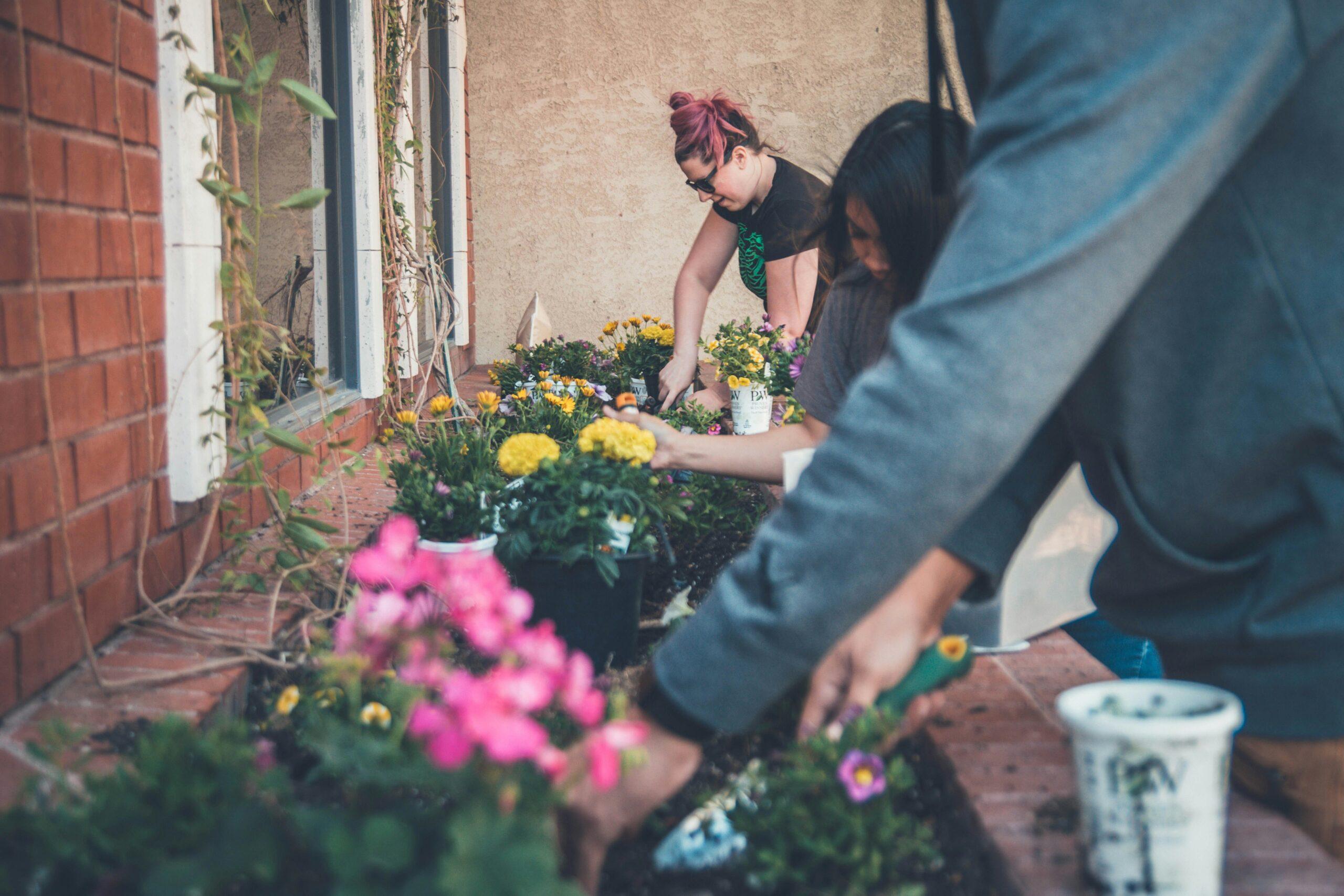
    4. Community garden coordinators

    Many churches are transforming unused land into community gardens. These spaces not only provide fresh produce for food banks but also serve as places of communion and education. Garden coordinators organize volunteers, plan harvests, and often integrate spiritual teachings into their work.

    5. Trauma-informed chaplains

    Specialized roles like trauma-informed care demonstrate how the Church is adapting to address contemporary challenges in serving communities. Trauma-informed chaplains combine theological knowledge with an understanding of psychological trauma, allowing them to provide more effective spiritual care in hospitals, prisons, or disaster relief situations. To pursue this career, one might start by obtaining a master’s degree in divinity or pastoral counseling, then seek additional training in trauma-informed care through organizations like the Trauma-Informed Care Project or the International Association of Trauma Professionals.

    6. Faith-based data analysts

    These professionals use data analytics to help churches better understand their congregations, measure the impact of outreach programs, and inform strategic decisions. Data experts can help churches gain valuable information about charitable giving, attendance patterns, parish demographics, volunteer engagement, and overall needs of the community. To enter this field, one could begin with a degree in data science, statistics, or a related field, and then seek opportunities to apply these skills within religious organizations. By leveraging these types of analyses, ministries can make more informed decisions, allocate resources more effectively, and ultimately grow their impact in their communities.

    7. Interfaith dialogue facilitators

    With increasing global interconnectedness, the ability to build bridges between different faiths is crucial. Some individuals dedicate themselves to organizing interfaith events, moderating discussions, and promoting understanding across religious boundaries.

    RELATED: Showing Up Imperfectly: What I Learned as a Hospital Chaplain

    8. Church archivists and historians

    Preserving the rich history of faith communities is vital. Church archivists and historians use modern technology to digitize records, create virtual tours of historic religious sites, and make centuries of wisdom accessible to new generations.

    9. Faith-based financial Advisors

    Stewardship of resources is an important aspect of many faiths. Some financial advisors specialize in helping individuals and religious organizations align their investments with their values, often focusing on socially responsible investing. Organizations like Compass Catholic teach practical financial discipleship and have programs for parishes and individuals alike. 

    10. Sports ministers

    Recognizing the power of sports to build community and character, some churches now employ sports ministers. These individuals organize leagues, coach teams, and use athletic activities as a platform for spiritual growth and outreach.

    11. Technology accessibility specialists

    As churches increasingly rely on technology for services and outreach, ensuring accessibility for all members is crucial. Specialists in this field work to make digital content accessible to those with visual, auditory, or other impairments.

    RELATED: 10 Ways to Serve Others When You Have Young Kids

    These unexpected vocations demonstrate that serving the Church is not limited to traditional roles. As society evolves, so do the ways individuals can contribute to their faith communities. Whether through technology, environmental stewardship, or creative arts, there are myriad opportunities for those feeling called to serve.

    By embracing these unexpected vocations, the Church demonstrates its ability to evolve and remain relevant in a rapidly changing world. Each of these roles, from digital evangelists to environmental stewards, creates new avenues for outreach and connection. They remind us that serving the Church isn’t confined to traditional roles or spaces, but can happen wherever people’s skills and passions intersect with the needs of their community.

    As we move forward, it’s exciting to imagine what new forms of ministry might emerge. The key is to remain open to new possibilities, recognizing that every skill and talent can be a powerful tool for sharing faith and building community. Contact your local parish to see if opportunities like these are available, or if your parish community would be open to starting a new program.