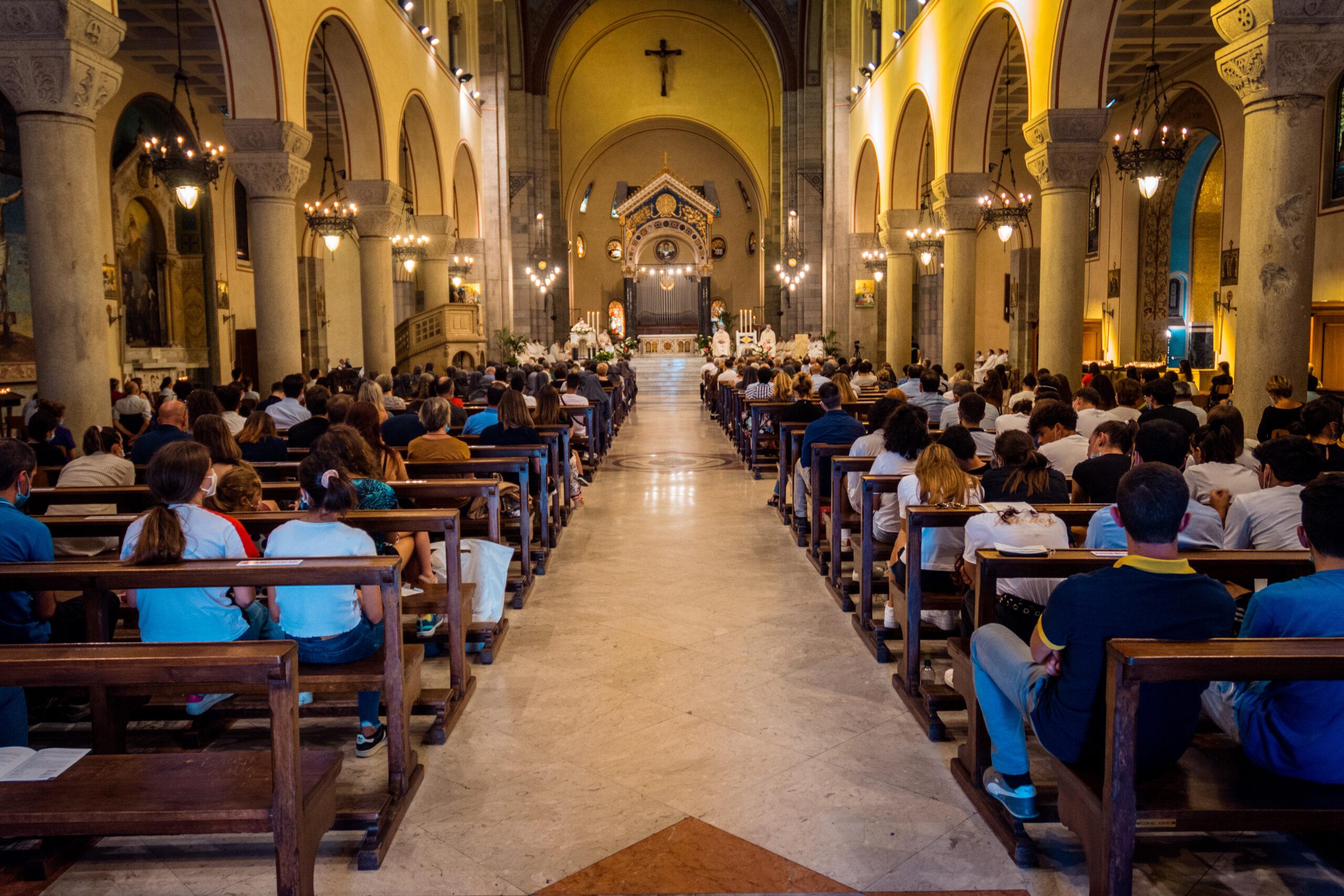
Going to weekly Mass at St. Vincent de Paul – my large home parish in Washington State – was just another part of my routine growing up. I could count on sliding into a pew each Sunday with my parents and younger brother and sister, and I might even altar serve on a given weekend.
Mass was something I enjoyed, but it wasn’t something I connected to on a deeper level. To me, Mass was just what we did as a family, something very regular and earthly, like going to the grocery store or the park. I paid attention, enjoyed the music, and looked around at all those gathered, but I didn’t understand much of what was happening. Afterward, our family would head out for a meal or run errands, and the Mass we had attended would take its place as a pleasant memory.
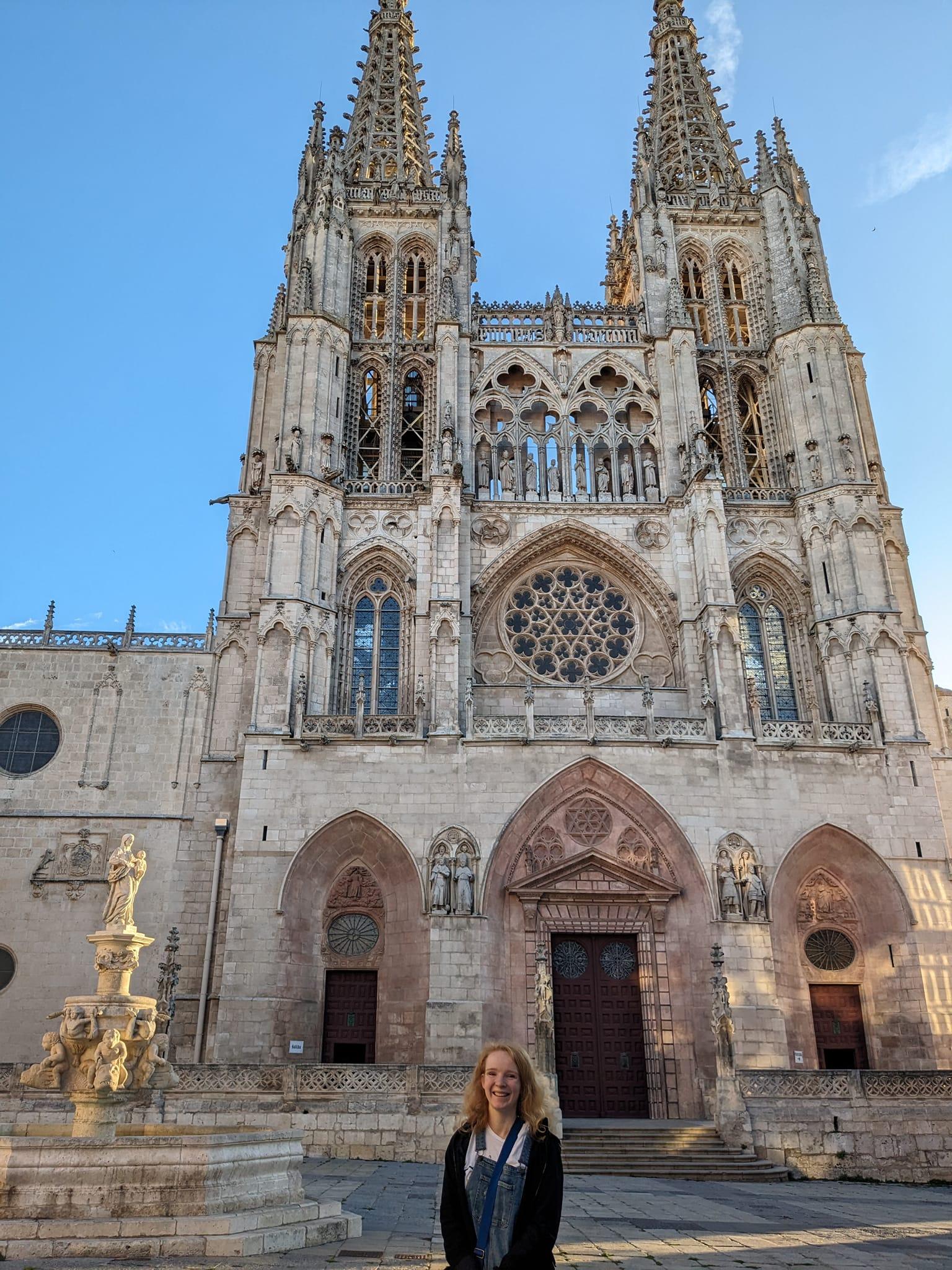
As I entered high school, received the Sacrament of Confirmation, and began lectoring, my interest in discovering a deeper-than-surface-level understanding of the Mass began to grow. Then, when I experienced Mass in other Catholic Churches besides my home parish — a midwestern parish in North Dakota while visiting my sister, a beautiful basilica in Spain on pilgrimage, or Galway’s cathedral in Ireland on a trip with my mom all in my early 20s— I began to notice the uniqueness of liturgical worship in a new way.
RELATED: Attending Mass in a Different Language Taught Me About the Universality of the Church
I began to recognize that the Mass I was part of in my home parish each week was being celebrated universally around the world, in different languages and cultures — and the same Christ was present through the words of the priest in each act of consecration at the altar. This realization broadened my view of the Mass from something ordinary to something extraordinary.
As my appreciation for the Mass grew, I came across an even more profound reality: The Mass is a celebration where both the living and dead are in attendance. I discovered this truth only a year or two ago when listening to the Catechism in a Year podcast with Fr. Mike Schmitz. According to the Catechism of the Catholic Church in article #1354 regarding the Mass: “The Church indicates that the Eucharist is celebrated in communion with the whole Church in heaven and on earth, the living and the dead, and in communion with the pastors of the Church, the pope, the diocesan bishop, his presbyterium and his deacons, and all the bishops of the whole world together with their Churches.”
It is out-of-this-world (literally!) to realize that the Mass is more than a universal celebration across lands and peoples on earth, but that at each and every Mass, heaven literally touches earth. In the Lord’s Prayer, we ask that God’s will be “done on earth as it is in heaven,” and the Mass is a foretaste of heaven. In the book of Revelation, the apostle John has a vision of heavenly worship. He writes: “Day and night without ceasing they sing, ‘Holy, Holy, Holy, is the Lord God Almighty, who was and is and is to come.’”
It is fitting, then, that at Mass, we echo these words on earth in the Sanctus, a Latin Eucharistic prayer, or prayer of the angels, offering our praise and thanksgiving to God: “Holy, Holy, Holy, Lord God of hosts, heaven and earth are full of your glory. Hosanna in the highest.” At every Mass, we are in attendance with the angels, as well as those loved ones who have gone before us — participating personally with a great cloud of heavenly witnesses singing and glorifying God.
RELATED: 7 Ways to Connect More Deeply With Sunday Mass
St. John Chrysostom, an early father of the Church, once said: “When Mass is being celebrated, the sanctuary is filled with countless angels who adore the Divine Victim [sacrificed] on the altar.” Do we consider the presence of angelic hosts with us at Mass as we remember and represent the one and only sacrifice of Christ on the cross upon the altar? Whenever I attend Mass, I enter into worship of the creator with those in heaven and those on earth. What I have come to believe is that the Mass is anything but ordinary. The Mass is an extraordinary gathering not just of persons around the world from different languages and cultures, but a unity of persons and angelic hosts spanning time and era, life and death.
Now when I attend Mass, whether at my home parish or elsewhere around the world, I take a moment to appreciate and acknowledge the ways the heavenly worship is part of my earthly worship. Instead of only looking around at the other parishioners, I remember loved ones who have gone before me, and I praise and thank God while at Mass as they do at every moment in heaven, imagining they are sitting beside me in the pew. When I listen to the music, I also gaze at the altar or smell the sweet aroma of incense, imagining a choir of angels around the priest at the table of the Lord. These small adjustments help me to view Mass not only as something earthly but also as something deeply and profoundly heavenly.