
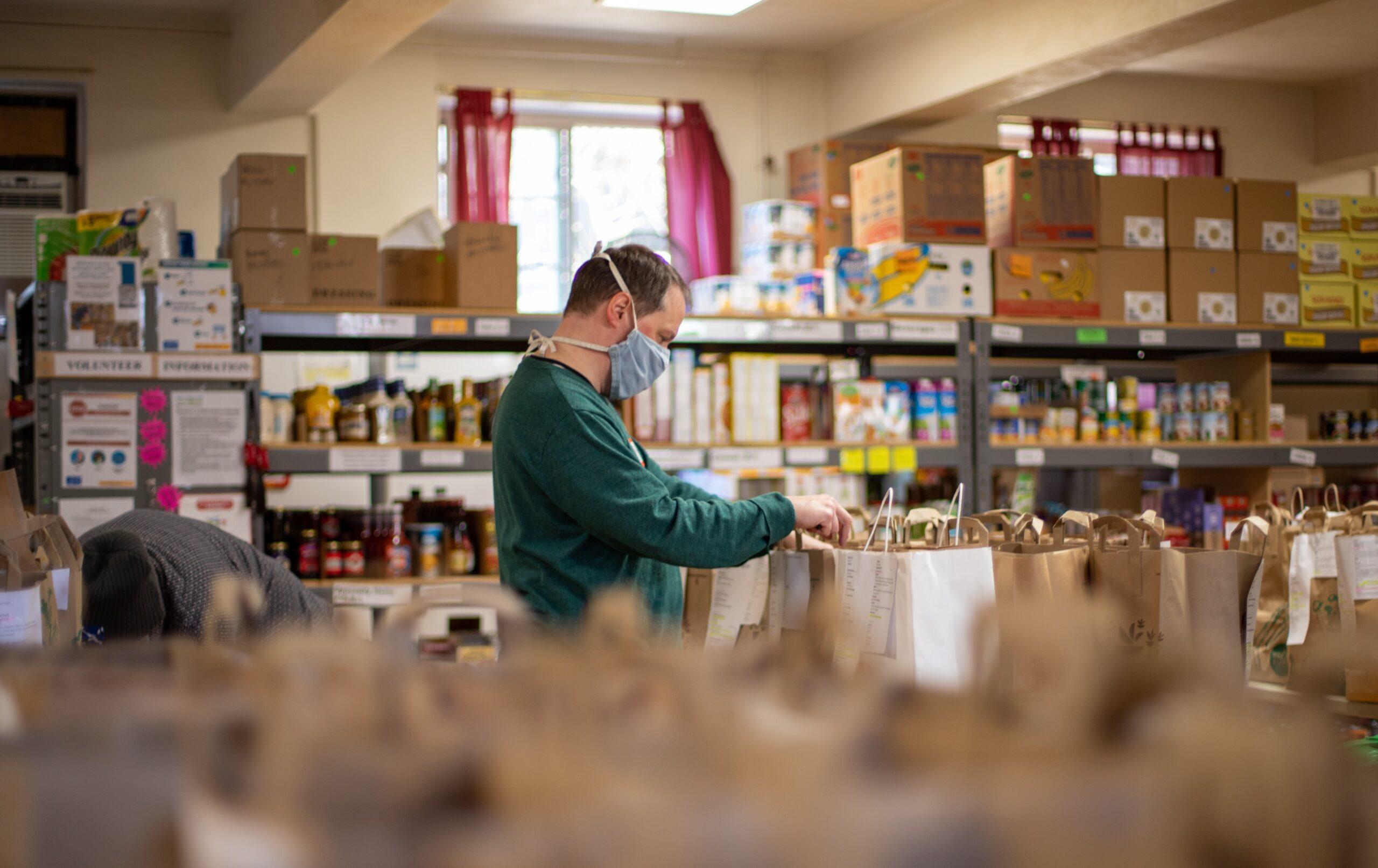
During my many years of volunteer service (primarily in hunger relief organizations), I’ve witnessed a frustrating phenomenon. While people (admirably) tend to focus on opportunities to give of their time and resources around the Thanksgiving and Christmas holidays, they often seem to disappear come January. I still remember Martin Luther King weekend the year I lived and worked full-time in a soup kitchen through the Catholic Volunteer Network; an entire volunteer group simply didn’t show up, leaving our skeleton crew to manage on our own. Other times, volunteers would seem more interested in showing off, taking selfies, or making assumptions about the guests they served. When talking with fellow Christians, I seemed to spend a lot of time defending our work as a necessary effort year-round — providing a safe space, steady nourishment, and a type of community to vulnerable people.
RELATED: How To Be a Saint-in-the-Making
One of the many elements of my Southern Baptist evangelical upbringing that has stayed with me is an ongoing commitment to serving others. Growing up, I often tagged along with my grandmother on the weekends to volunteer at the food pantry that she helped run at her church near downtown Tulsa. In retrospect, it’s fascinating to me that I took those weekends for granted as a normal way to spend my time, even as a child. Although I’ve also had my share of one-time or other brief stints of community service over the years, the memories of serving with my grandmother remain a foundation on which to understand the ways that the Church calls us to embody a true spirit of service on an ongoing basis.
Catholic Social Teaching is rich with resources about providing corporal and spiritual works of mercy. The seasons of the liturgical year also offer a helpful framework for how to engage with these practices. While Advent and Lent naturally lend themselves toward reflection and penance, the Church reminds us that these acts should constantly sustain our faith. In “Evangelii Gaudium” (“The Joy of the Gospel”), Pope Francis offers these reflections on the gospel’s plea to include poor people in our social concerns:
RELATED: Catholic Social Teaching in Action: How to Follow in the Footsteps of Holy Men and Women
“The Church has realized that the need to heed this plea is itself born of the liberating action of grace within each of us, and thus it is not a question of a mission reserved only to a few….[I]t means working to eliminate the structural causes of poverty and to promote the integral development of the poor, as well as small daily acts of solidarity in meeting the real needs which we encounter. The word ‘solidarity’ is a little worn and at times poorly understood, but it refers to something more than a few sporadic acts of generosity. It presumes the creation of a new mindset which thinks in terms of community and the priority of the life of all over the appropriation of goods by a few.”
The pope’s emphasis on “small daily acts of solidarity” that lead to “the creation of a new mindset” seems simultaneously humbling and inspiring, as it reminds us of the constant work required of us as Christians while also encouraging us to cultivate service through simple means.
RELATED: 10 Ways to Serve Others When You Have Young Kids
By developing a mindset that tends naturally toward an attitude of serving others, we can learn to integrate works of mercy into our daily lives throughout the year. Before starting my own family, I volunteered regularly at another local soup kitchen and worked at a food bank, which gave me the opportunity to learn about the needs unique to hunger relief organizations. Many of them, for example, gladly take plastic bag donations, an item often overflowing in our own pantries in these days of grocery pickups and deliveries. Local grocery stores often sponsor fundraisers at the register where you can round up your total or purchase a food item to donate. Parishes sometimes share a “wishlist” of items that their local nonprofits especially need; if yours does not, maybe this could be a chance to encourage them to start.
These acts of service do not require a large sacrifice but enable us to keep the needs of others at the front of our minds in the midst of our everyday activities. As a mother with two toddlers, I’ve had to adapt my approach to community service to the new types of giving that now fill my days. In some ways, motherhood has helped further deepen my perspective about the “small daily acts of solidarity” being a parent requires. As my children help me continue to develop this sense of service as a spiritual practice, I look for simple opportunities to model those practices for them beyond the scope of our immediate family. Our parish, for example, has a “Blessing Box” in the church parking lot, so I regularly do an inventory of our pantry and take my kids with me to load up the Blessing Box with extra food we have on hand. On Sundays, we hand my son a dollar bill to place in the collection plate — a nod to childhood weeks in church with my grandma, when she’d hand me one out of her purse.
RELATED: Catholic Social Teaching and Reducing Food Waste
We also make a point to talk and read about the saints as additional models for how to incorporate service into the regular rhythms of our lives; observing these saints’ feast days throughout the year is a natural way to utilize the liturgical calendar to aid our spiritual growth. Through developing such practices into liturgical habits, we can move beyond an occasional mindset and integrate service into our lives more holistically. While part of me sometimes misses the season of my life when I could live more immersed in an outward-facing kind of service life, I am grateful to continue learning how to embody the Domestic Church as I try to give my whole self to my family every day.
Originally published January 14, 2023.

 While struggling to find bright spots of hope and light in a world of uncertainty during the pandemic, I had the happy fortune to stumble upon a treasure trove of spiritual reading: I picked up a copy of Saint Teresa of Avila’s “Story of Her Life,” and began to read. Before long, I noticed that I felt much happier and whole after reading her diary than I felt after reading dramatic novels. I haven’t abandoned the novels, but I have begun to appreciate the beauty of the diaries of such female saints as

 At the end of 2022, I had a lot of changes happening in my life all at the same time. After nearly a decade working for the Catholic Church in various roles, I started a new job in a secular work environment. I also moved into a new home, and relationships with some friends were shifting.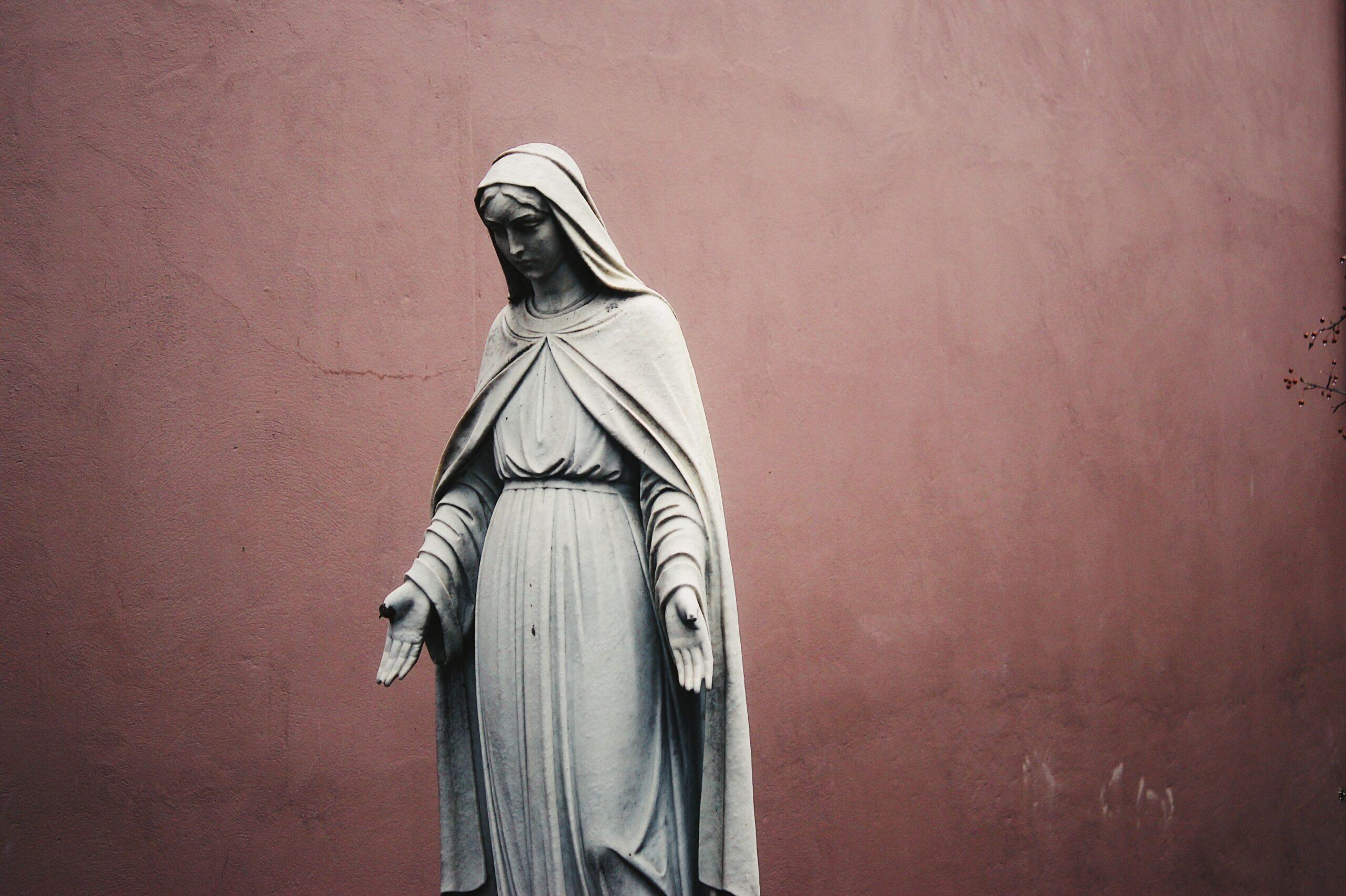
 The Solemnity of Mary, Mother of God is a liturgical celebration observed on January 1. It is a holy day of obligation for Catholics, meaning that Mass attendance is required (though the Mass obligation is sometimes waived by the bishop for various reasons; when in doubt, check with your parish.)